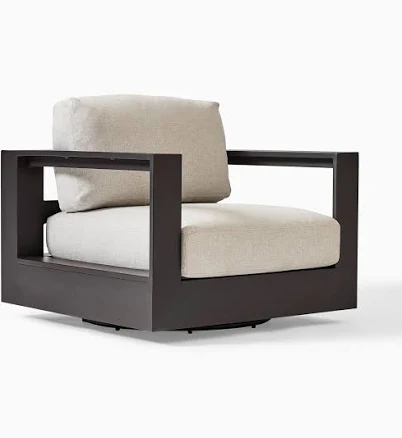
West Elm · Outdoor Furniture Cushion Protectants
West Elm Telluride Outdoor Swivel Chair Cushion
Skip until West Elm clarifies water-repellent coating chemistry or opt for untreated cushions.
West Elm's Telluride outdoor cushions likely feature a water-repellent coating typical of outdoor textiles, a category historically associated with PFAS treatments. West Elm provides no public disclosure.
The better-graded swap
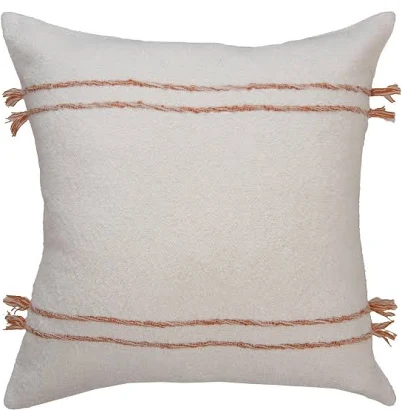
Rizzy Home
Rizzy Home Rizzy 20" x 20" Poly Filled Pillow
75/100 safety
Same rubric that flunked this product. The swap earned Excellent.
Still want this one anyway? Check the price on Amazon. We’d swap it.
Material
Polyester cushion cover with water-repellent coating finish
Lab data
No public lab test
What West Elm Telluride Outdoor Swivel Chair is made of, ingredients and materials
The Telluride cushion cover is polyester with a water-repellent coating (water-repellent coating) finish. water-repellent coating treatments historically relied on PFAS-based chemistry to repel moisture; modern alternatives exist but West Elm has not disclosed which type is used here. Polyester itself is stable, but the finish is the critical unknown. The cushion core material is not specified in publicly available product details, which limits full assessment.
What’s concerning
No PFAS disclosure
No public statement from the brand about PFAS in this product.
Category baseline
The starting point for this type of product, before anything specific to this product is counted.
Waterproof / stain-resistant treatment
Water-repellent coating treatments have historically used PFAS.
PFAS
Water-repellent coating chemistry is not disclosed by West Elm. Polyester cushion covers typically use fluorocarbon treatments; modern formulations may be PFOA-free but may still contain other PFAS. Without product documentation, PFAS exposure risk cannot be ruled out.
Source, ATSDR ↗Microplastic shedding from polyester fabric
Polyester outdoor cushions shed microfibers during washing, weather exposure, and use. Outdoor placement limits runoff into wastewater, but washing accelerates fiber release. This is not a direct health hazard to the user but an environmental concern.
Coating degradation and leaching from failed water-repellent coating
As the water-repellent coating finish degrades over 1-3 years of outdoor exposure, residual finish chemicals may leach into cushion fill or contact skin. Water absorption into the polyester core can promote mold growth if not dried promptly. No specific leachate analysis on record for this product.
What’s reassuring
Formaldehyde / VOCs
Polyester textiles sometimes use formaldehyde-based resins for color stability and stiffening. No recall or test result on record for West Elm Telluride cushions; typical outdoor polyester fabrics meet US standards but are not always certified formaldehyde-free.
Source, ATSDR ↗Heavy metals
Cushion color (typically gray, neutral, or patterned) is achieved via synthetic dyes. Azo dyes and metal-based pigments are not prohibited in home textiles in the US, though EU standards are stricter. No West Elm certification or third-party test on record for this product.
Source, FDA ↗The full breakdown
The brand's record and disclosure
West Elm has not published a transparency statement on PFAS use in outdoor textiles or finishes as of the last public record. The brand does not list third-party certifications like Oeko-Tex or bluesign for this product line. West Elm's parent company (Pottery Barn) has faced some sustainability criticism but no specific PFAS-related recalls or legal actions on record for cushions. Silence on water-repellent coating chemistry is the main red flag here.
How it compares in its category
Outdoor cushion covers almost universally use polyester with water-repellent coating treatment; this product is typical, not exceptional. Premium brands (e.g., Restoration Hardware, Sunbrella) often specify PFOA-free or fluorocarbon-free finishes and list certifications. Budget alternatives may use older PFAS-based treatments without disclosure. West Elm sits in the middle market but offers less transparency than competitors on this specific chemical question.
If you buy it
Store cushions indoors or under cover during off-season to reduce weathering and extend the water-repellent coating finish lifespan (typically 1-3 years before water beads diminish). Wash by hand with mild soap and cool water; avoid machine washing, which degrades coatings. Do not use heat (direct sun aging accelerates finish breakdown). Replace cushion covers every 3-5 years or when the water-repellent coating finish visibly fails and water no longer beads. Expect to treat or replace rather than assume permanence.
What we don’t know
- Basis
- Model estimate, 42% confidence, not a lab result
- Lab test
- None on record for this exact product
- Brand statement
- West Elm has made a specific claim
Formulations change between production runs, so check the current label. How we grade.
Better-graded alternatives in Outdoor Furniture Cushion Protectants
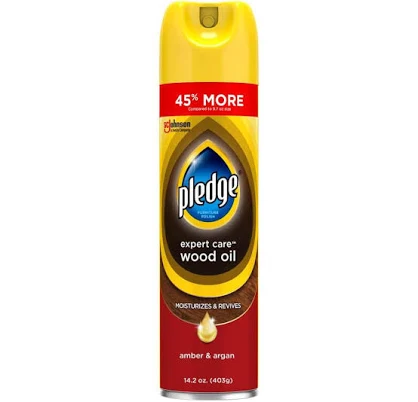
Pledge
14.2 oz. Amber and Argan Scent Furniture Moisturizing Oil
- mineral oil, argan oil blend
- We found no PFAS statement from the brand
- Fragrance allergens and undisclosed components
4 hazards checked on this product. See all of them.
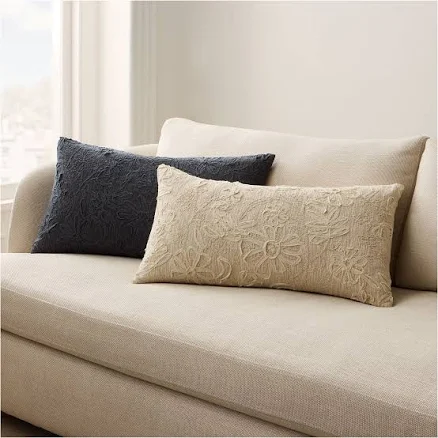
West Elm
Cut Garden Flowers Pillow Cover
- 100% cotton canvas
- Azo dyes and dye contamination
3 hazards checked on this product. See all of them.
Crate and Barrel
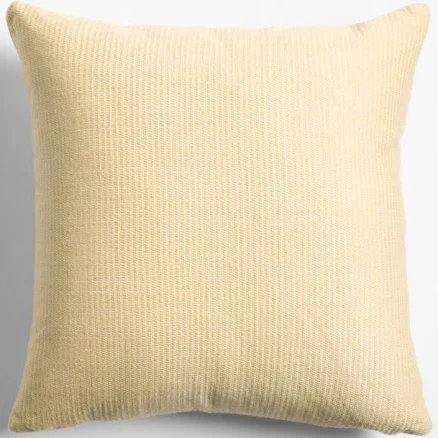
Crate & Barrel Surya Yellow Throw Pillow
- Polyester, cotton, or cotton-blend fabric with standard dyes
- We found no PFAS statement from the brand
- Azo dyes and color migration
3 hazards checked on this product. See all of them.
More outdoor furniture cushion protectants grades
How we score, every product runs through the same public 0-100 rubric based on materials, coatings, brand disclosure, lab findings, and recalls. See the full methodology → Spotted a mistake? Report an error.