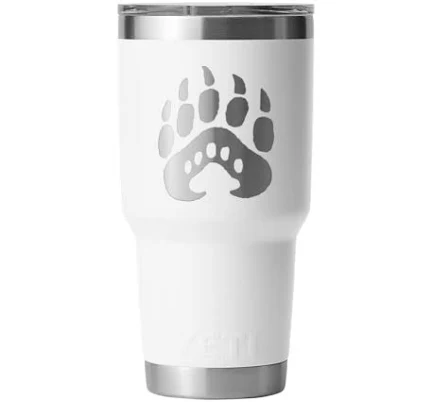
Yeti · Insulated Drink Tumblers
30 oz YETI Rambler Tumbler
Low risk. Stainless steel construction, no known PFAS use.
YETI Rambler uses stainless steel construction without disclosed water-repellent coatings or nonstick surfaces. No public PFAS claims or third-party testing exists, but core materials carry lower PFAS risk than treated textiles or coated cookware.
We flunk more products than we pass. This one earned its grade. How we grade
Material
Stainless steel exterior, copper insulation core, plastic/polymer interior lid
Lab data
No public lab test
What 30 oz YETI Rambler Tumbler is made of, ingredients and materials
The 30 oz Rambler uses 18/8 stainless steel (304 grade) for the outer shell, which is corrosion-resistant and chemically inert with food contact. The insulation core relies on copper and proprietary foam layers rather than chemical refrigerants, minimizing leaching risk. The interior lid is engineered polymer (likely polypropylene or similar), which contacts beverages but is not heated during normal use and sits outside the insulation layer where temperature stress is lowest.
What’s concerning
No PFAS disclosure
No public statement from the brand about PFAS in this product.
Category baseline
The starting point for this type of product, before anything specific to this product is counted.
Polymer lid degradation and leaching
The plastic interior lid undergoes repeated thermal and mechanical stress. If cracks develop, polymer fragments or residual monomers may leach into beverages; no specific YETI lid failures are on public record, but this is a known failure mode for tumbler lids over 3-5 years of heavy use.
Stainless steel pitting corrosion (localized)
304-grade stainless steel can develop microscopic pitting if exposed to chloride salts, acidic foods, or certain ions for extended periods. Risk is low with normal use and fresh water, but high-salt or acidic beverage storage may accelerate surface degradation and metal ion release over time.
Off-gassing or odor from manufacturing residue
New YETI Ramblers may emit slight metallic or polymer odors when first unpacked. This typically fades with hand washing and aeration; it reflects manufacturing residue, not a persistent leaching risk, but sensitive users should rinse and air-dry before first use.
What’s reassuring
Base material not linked to PFAS
The main material recorded for this product is not one associated with PFAS.
Lid seal and gasket material composition
YETI does not publicly disclose the composition of gaskets or seals within the lid assembly. If silicone or rubber is used, risk of leaching is minimal under normal conditions, but material composition is not independently verified or stated.
Copper insulation layer stability
Copper itself is non-toxic at normal exposure levels and bonded within the insulation matrix, not in direct contact with beverages. No established hazard from copper insulation in tumblers is documented; design isolates it from liquid contact.
The full breakdown
The brand's record and disclosure
YETI does not publicly disclose detailed material safety certifications, testing protocols, or PFAS avoidance statements, which represents a transparency gap relative to some competitors. The brand has no widely documented recalls specific to chemical leaching or coating failure in the Rambler line as of public record. YETI emphasizes durability and manufacturing standards but does not pursue third-party certifications (e.g., BPA-free labeling, NSF) that would provide independent verification.
How it compares in its category
Premium insulated tumblers like Hydro Flask, Klean Kanteen, and Contigo often provide explicit BPA-free claims and material transparency; YETI's silence on these points is a competitive weak spot. The stainless steel exterior design is industry standard and shows lower concern than plastic-heavy competitors. Copper insulation is less common and poses no established leaching risk, but the polymer lid is a potential concern point if degradation occurs over years of thermal cycling.
If you buy it
Hand wash the lid separately and inspect it annually for cracks or discoloration, as polymer lids degrade faster than the steel body. Avoid prolonged contact with very hot liquids (above 180F) immediately after filling, as repeated thermal stress on the polymer-to-steel seal may accelerate wear. Do not fill with acidic beverages (vinegar, lemon juice) and leave standing for hours, as stainless steel can be susceptible to pitting under certain conditions. Replace the lid if visible wear, brittleness, or odor appears; YETI sells replacement lids separately.
What we don’t know
- Basis
- Model estimate, 72% confidence, not a lab result
- Lab test
- None on record for this exact product
- Brand statement
- Yeti has made a specific claim
Formulations change between production runs, so check the current label. How we grade.
Better-graded alternatives in Insulated Drink Tumblers
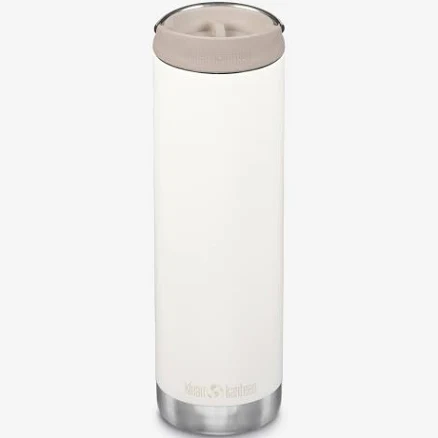
Klean Kanteen
20oz TKWide with Café Cap, Tofu
- Stainless steel bottle, stainless steel cap
- The brand calls it PFAS-free, which we have not verified
- Powder-coat cap degradation over time
3 hazards checked on this product. See all of them.
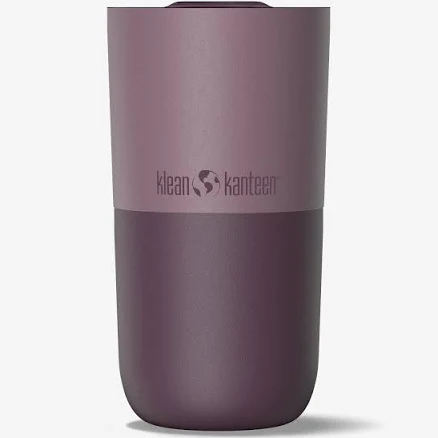
Klean Kanteen
16oz Rise Tumbler
- Stainless steel body, powder-coat finish
- The brand calls it PFAS-free, which we have not verified
- Powder-coat finish degradation
3 hazards checked on this product. See all of them.
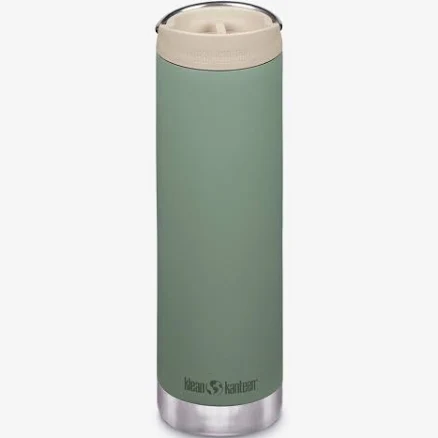
Klean Kanteen
Insulated TKWide Cap
- Stainless steel bottle, plastic cap and silicone gasket
- The brand calls it PFAS-free, which we have not verified
- Silicone gasket degradation and leaching
3 hazards checked on this product. See all of them.
More insulated drink tumblers grades
How we score, every product runs through the same public 0-100 rubric based on materials, coatings, brand disclosure, lab findings, and recalls. See the full methodology → Spotted a mistake? Report an error.