Yeti · Waterproof Bags & Luggage
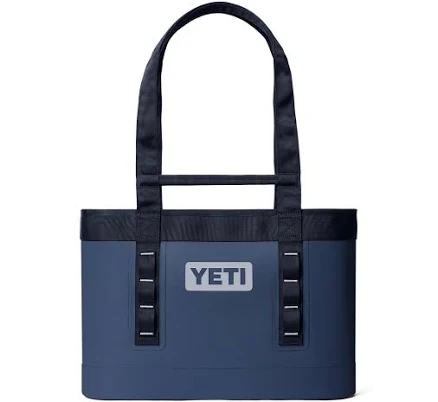
YETI Camino Zip Carryall 18L Tote
Water-resistant coating chemistry not disclosed.
YETI has no PFAS statement on record for this nylon tote with water-resistant coating. The coating type is not stated.
The better-graded swap
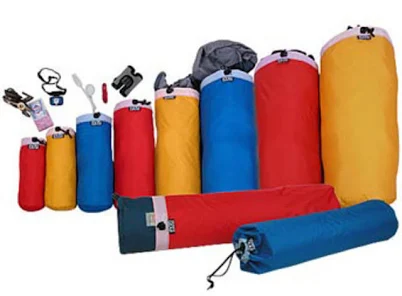
Granite Gear
Granite Gear ToughSack Assorted Colors
85/100 safety
Same rubric that flunked this product. The swap earned Excellent.
Still want this one anyway? Check the price on Amazon. We’d swap it.
Material
Nylon fabric with water-resistant coating
Lab data
No public lab test
What YETI Camino Zip Carryall 18L Tote is made of, ingredients and materials
The Camino Zip uses nylon fabric with a durable water-resistant coating, a common construction for outdoor totes and backpacks. Nylon itself is a synthetic polyamide with a well-established safety record for food-contact and skin-contact applications. The coating chemistry is not publicly detailed by YETI; most water-resistant finishes on nylon bags are either polyurethane, silicone-based, or Teflon-family coating treatments. The coating's role is to shed moisture without compromising breathability, critical for a carryall expected to handle outdoor conditions.
What’s concerning
Category baseline
The starting point for this type of product, before anything specific to this product is counted.
No PFAS disclosure
No public statement from the brand about PFAS in this product.
Waterproof / stain-resistant treatment
Water-repellent coating treatments have historically used PFAS.
Water-resistant coating degradation and potential leachables
The specific coating type is not disclosed by YETI. If polyurethane-based, degradation over time or with aggressive washing can release oligomers; if Teflon-family coating-based, PFAS shedding is the primary concern (addressed separately). No recalls or complaints specific to this product line are documented.
Microfiber shedding from nylon fabric
All synthetic textiles shed microfibers during wear and washing. For a carryall in contact with clothing and other items, shedding is minimal compared to garments, but repeated washing will gradually release nylon microparticles. This is not unique to YETI or avoidable in this category.
What’s reassuring
Formaldehyde / VOCs
Nylon fabrics can be treated with formaldehyde-releasing resins for wrinkle resistance or dye fixation, though modern outdoor brands typically phase these out. No specific testing or recalls for the Camino indicate formaldehyde exposure risk; standard nylon carryalls are not considered high-risk for this hazard.
Source, ATSDR ↗Heavy metals
YETI products are not known to use restricted azo dyes or cadmium/lead pigments. The brand's outdoor heritage and price point suggest compliance with standard industry practice, though no third-party certification (OEKO-TEX) is cited to verify dye safety.
Source, FDA ↗Antimony in polyester thread or trims
The Camino is primarily nylon, reducing antimony risk; thread and trim composition is not publicly disclosed. Antimony levels in outdoor gear are generally low and not documented as a concern for YETI products.
The full breakdown
The brand's record and disclosure
YETI maintains a reputation for durability and quality control but has not published detailed material safety data sheets or PFAS transparency statements for this product line. The brand does not appear in major recalls related to soft goods or chemical hazards in recent years. YETI's website lacks third-party certifications (such as OEKO-TEX or bluesign) for the Camino line, limiting independent verification of coating and dye safety. No public controversies over formaldehyde, azo dyes, or heavy metals in YETI textiles are documented.
How it compares in its category
Nylon totes with water-resistant coatings dominate the premium carryall market; YETI's Camino sits at the higher price tier alongside brands like Patagonia and REI. Patagonia publicly commits to reducing PFAS and provides third-party testing; YETI has made no such commitment for this product. Mid-tier alternatives (e.g., standard nylon from Gap, L.L.Bean) use similar coating technologies without additional disclosure. For the price point, transparency and certifications lag behind some competitors but are not unusual in the category.
If you buy it
Machine wash in cold water on gentle cycle and air-dry to preserve the water-resistant coating; heat exposure (dryer, direct sunlight for prolonged periods) can degrade polyurethane or silicone finishes. Do not use harsh detergents or bleach, which can strip coating efficacy. The tote is not intended for food storage and should not be used as a lunch bag in direct contact with unpackaged food. Replace if the coating visibly flakes, peels, or wears away, which would expose unfinished nylon fibers and reduce durability.
What we don’t know
- Basis
- Model estimate, 62% confidence, not a lab result
- Lab test
- None on record for this exact product
- Brand statement
- Yeti has made a specific claim
Formulations change between production runs, so check the current label. How we grade.
Better-graded alternatives in Waterproof Bags & Luggage
Granite Gear
ToughSack Assorted Colors
- Cordura nylon fabric
- We found no PFAS statement from the brand
- Heavy metals
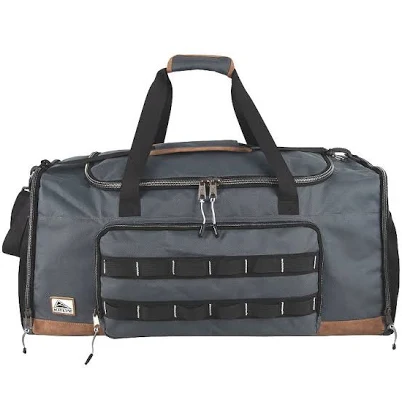
Kelty
Daisy Chain Web Duffel Bag
- Polyester webbing and nylon
- Azo dyes in polyester webbing
4 hazards checked on this product. See all of them.
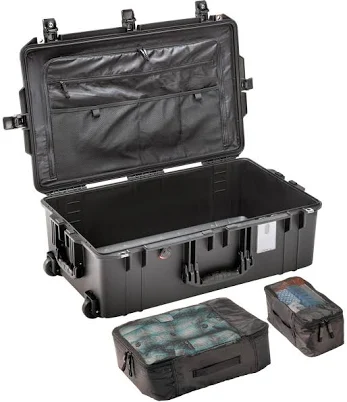
Pelican
1595 Air Travel Case
- Polypropylene shell, polyurethane foam, stainless steel hardware
- Polyurethane foam degradation and off-gassing
More waterproof bags & luggage grades
How we score, every product runs through the same public 0-100 rubric based on materials, coatings, brand disclosure, lab findings, and recalls. See the full methodology → Spotted a mistake? Report an error.