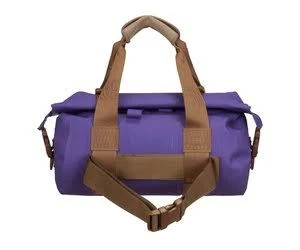
Watershed · Waterproof Bags & Luggage
Watershed Goforth Dry Duffel
A water-repellent or grease-resistant treatment of unstated chemistry, and no PFAS statement from the brand.
The brand has published no PFAS statement for this product that we could find. Its record describes a water-repellent or grease-resistant treatment of unstated chemistry, which is still counted.
The better-graded swap
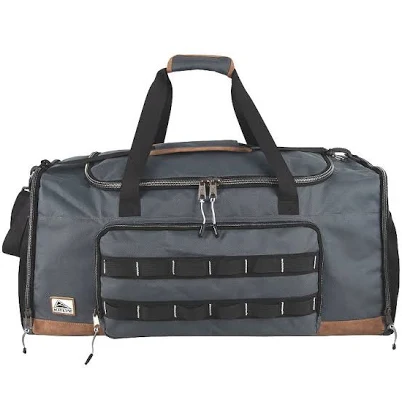
Kelty
Kelty Daisy Chain Web Duffel Bag
85/100 safety
Same rubric that flunked this product. The swap earned Excellent.
Still want this one anyway? Check the price on Amazon. We’d swap it.
Material
Naturally textured cotton blend with proprietary waterproofing
Brand disclosure
Brand is silent on PFAS
Lab data
No public lab test
You may also be interested in
Top-graded picks in the categories readers replace first, every one scored on the same rubric.

- polypropylene filter housing, carbon/sediment cartridge
- We found no PFAS statement from the brand
- Bacterial growth in spent cartridges
3 hazards checked on this product, all on its full breakdown.

Aquasure
Premier Series 75 GPD Under Sink Reverse Osmosis Water Filtration System
- RO membrane, carbon filters, stainless steel housing
- We found no PFAS statement from the brand
- Bacterial and microbial growth in housing and filters
4 hazards checked on this product, all on its full breakdown.

Avocado
Vegan Mattress
- organic cotton, natural latex, coconut coir, recycled steel coils
- The brand calls it PFAS-free, which we have not verified
- Heavy metals
2 hazards checked on this product, all on its full breakdown.
What Watershed Goforth Dry Duffel is made of, ingredients and materials
The Goforth Duffel uses a cotton blend base with a proprietary waterproofing treatment applied to the exterior. Cotton itself has no hazard of this kind on record for skin contact and food storage. The hazard centers entirely on what chemical system Watershed used to achieve water repellency, which the brand has not disclosed. Cotton-blend textiles can absorb and retain moisture if the waterproofing fails or degrades, potentially supporting mildew growth over time.
What’s concerning
No PFAS disclosure
No public statement from the brand about PFAS in this product.
Category baseline
The starting point for this type of product, before anything specific to this product is counted.
Waterproof / stain-resistant treatment
Water-repellent coating treatments have historically used PFAS.
Waterproofing chemical composition (undisclosed)
Watershed has not identified whether the proprietary treatment contains PFAS, Teflon-family coating, or other persistent chemicals. The PFAS safety grade of 40/100 suggests elevated likelihood of fluorinated compounds, but this remains unconfirmed pending brand disclosure.
Coating degradation and moisture retention
VOC off-gassing from waterproofing application
Waterproof textile treatments (whether PFAS or alternative) often off-gas during manufacturing and early use. New Goforth duffels may emit odor; airing out before storage or use in enclosed spaces is advisable. This is typically mild and temporary but can irritate sensitive individuals.
What’s reassuring
Formaldehyde / VOCs
No public record of formaldehyde-based sizing or durable-press treatments in Watershed duffels. Cotton-blend textiles can contain these resins; the brand's silence on full chemical composition means this cannot be ruled out entirely.
Source, ATSDR ↗Heavy metals
The product is described as naturally textured, and Watershed does not advertise synthetic dyes or colorants. No recalls or reports of dye-related toxicity are on record. Without fiber dye certifications, possible but unlikely risk.
Source, FDA ↗How is this PFAS grade calculated?
The brand's record and disclosure
Watershed has not published a statement confirming or denying PFAS use in their waterproofing treatments, earning the product a poor PFAS safety grade (40/100) in available assessments. The brand does not appear to hold third-party certifications (such as OEKO-TEX or bluesign) that would independently verify chemical safety. This silence on treatment chemistry is the primary transparency gap; absence of disclosure is not absence of risk.
How it compares in its category
Waterproof duffels commonly use either PFAS-based Teflon-family coating coatings (fast-drying, long-lasting but persistent) or wax, polyurethane, or silicone treatments not a material linked to PFAS (variable durability). Watershed's refusal to name their chemistry makes direct comparison difficult. Competitors with published PFAS-free claims (e.g., some brands using wax or PU) offer equivalent water resistance with known ingredient profiles. The Goforth's cotton-blend choice is less durable than pure synthetic options but more breathable and biodegradable if the coating eventually breaks down.
If you buy it
Store dry; moisture trapped under the waterproofing can degrade the coating and support mold. Do not machine wash or submerge; hand-rinse exterior only and air-dry completely. Inspect the coating annually for cracks, peeling, or white chalking, which signal degradation. Once the waterproofing visibly fails, the utility of the bag drops sharply; plan for replacement within 3-5 years depending on use frequency. Contact Watershed directly to request confirmation of whether their treatment contains PFAS before purchase if this is a deciding factor for you.
What is not known about PFAS in this product?
- Basis
- Model estimate, 72% confidence, not a lab result
- Lab test
- None on record for this exact product
- Brand statement
- Watershed has made none
Formulations change between production runs, so check the current label. How we grade.
What are the PFAS-free alternatives to Watershed Goforth Dry Duffel?
- Cordura nylon fabric
- We found no PFAS statement from the brand
- Heavy metals
- Polyester webbing and nylon
- Azo dyes in polyester webbing
4 hazards checked on this product, all on its full breakdown.
- Polypropylene shell, polyurethane foam, stainless steel hardware
- Polyurethane foam degradation and off-gassing
More waterproof bags & luggage grades
How we score, every product runs through the same public 0-100 rubric based on materials, coatings, brand disclosure, lab findings, and recalls. See the full methodology → Spotted a mistake? Report an error.