The Honey Pot Review, Is The Honey Pot Non-Toxic?
The Honey Pot averages 61 out of 100 on PFAS Authority's PFAS and toxin screen across the 5 The Honey Pot products graded as of October 2026, and 4 of them reach its 70 point pass mark.
The Honey Pot grades Good on our four-band scale. On disclosure, the brand says nothing publicly about PFAS. See what every brand has published about PFAS for how that compares.
PFAS Authority is a scoring system, not a laboratory. We do not test products ourselves. Grades are model-based, built from published ingredients, materials, certifications, brand disclosures and third-party lab results where they exist. See the rubric.
You may also be interested in
Top-graded picks in the categories readers replace first, every one scored on the same rubric.

Aqua Pure
3M Aqua-Pure AP802B Whole House Filter Housing
- polypropylene filter housing, carbon/sediment cartridge
- We found no PFAS statement from the brand
- Bacterial growth in spent cartridges
3 hazards checked on this product. See all of them.

Aquasure
Premier Series 75 GPD Under Sink Reverse Osmosis Water Filtration System
- RO membrane, carbon filters, stainless steel housing
- We found no PFAS statement from the brand
- Bacterial and microbial growth in housing and filters
4 hazards checked on this product. See all of them.

Avocado
Vegan Mattress
- organic cotton, natural latex, coconut coir, recycled steel coils
- The brand calls it PFAS-free, which we have not verified
- Heavy metals
2 hazards checked on this product. See all of them.
Worth buying from The Honey Pot Good or better, best-graded first
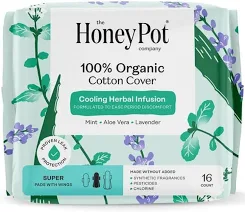
The Honey Pot
Company Organic Cotton Super Compact Tampons
- organic cotton
- We found no PFAS statement from the brand
- Bacterial or mold contamination during storage, Organic cotton's absorbent nature means that if stored in…
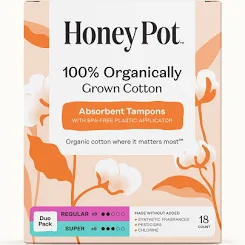
The Honey Pot
Duo-Pack Tampons
- cotton, rayon, organic fibers
- We found no PFAS statement from the brand
- Pesticide residue, Organic cotton reduces synthetic pesticide exposure compared to conventional cotton. The…
2 hazards checked on this product. See all of them.
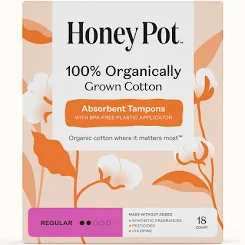
The Honey Pot
Company Organic Regular Cotton Tampons
- organic cotton
- We found no PFAS statement from the brand
- Allergens or irritants from fragrances or added botanicals, The Honey Pot brand emphasizes botanical…
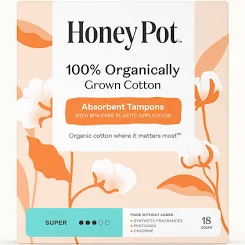
The Honey Pot
Super Tampons
- cotton, rayon
- We found no PFAS statement from the brand
- Rayon fiber degradation or microfiber shedding, Rayon is more prone to fiber fragmentation under moisture and…
Graded and flagged Poor and Bad, we’d swap these
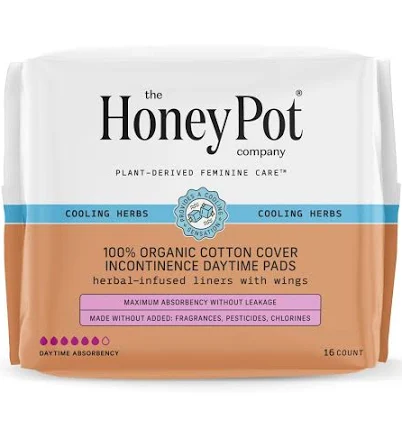
The Honey Pot
Incontinence Herbal Daytime Pads
- absorbent core, likely cellulose with waterproof backing (unspecified polymer)
- We found no PFAS statement from the brand
- Waterproof backing polymer leaching (unknown chemistry), The backing material composition is not disclosed on…
The Honey Pot and PFAS, common questions
- Does The Honey Pot have PFAS?
- The Honey Pot averages 61 out of 100 on PFAS Authority's PFAS and toxin screen across the 5 The Honey Pot products graded as of October 2026, and 4 of them reach its 70 point pass mark. Grades are model-based estimates built from published materials, ingredients and disclosures, not lab tests.
- Is The Honey Pot non-toxic?
- The Honey Pot Company Organic Cotton Super Compact Tampons is the highest-graded The Honey Pot product we have scored, at 70/100. It depends on the product line rather than the brand, so check the grade of the exact item you are buying.
- Which The Honey Pot products are lower concern for PFAS?
- The highest-graded The Honey Pot products we have scored are The Honey Pot Company Organic Cotton Super Compact Tampons, The Honey Pot Duo-Pack Tampons, The Honey Pot Company Organic Regular Cotton Tampons. That is our model-based estimate from materials and public disclosure, not a lab test.
- Which The Honey Pot products should I avoid?
- The lowest-graded The Honey Pot products we have scored are The Honey Pot Incontinence Herbal Daytime Pads. Each one links to the evidence behind its grade.
Every grade uses the same public rubric. How grades work →