Incontinence Pads vs Women's Sensitive Care Extra Coverage Overnight Incontinence Pads: which is safer?
Eco by Naty Incontinence Pads is the clear pick. TENA Women's Sensitive Care Extra Coverage Overnight Incontinence Pads carries a failing PFAS grade, and we never recommend buying a failing product.
Our pick
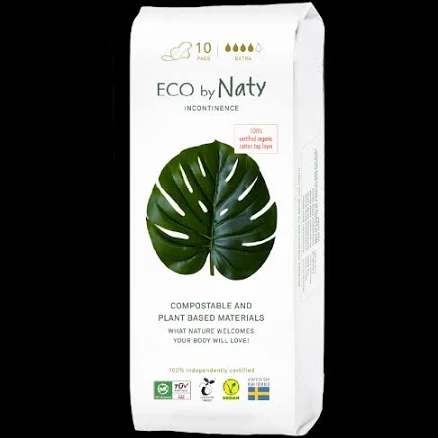
Eco By Naty
Incontinence Pads
PFAS grade
Overall grade
Verdict
Hazard flags
Material
Confidence
PossibleHeavy metals in cellulose or plant-derived materials
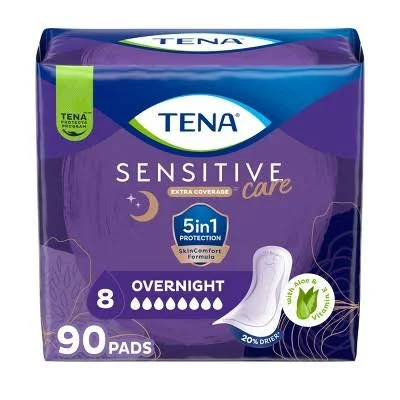
Tena
Women's Sensitive Care Extra Coverage Overnight Incontinence Pads
PFAS grade
Overall grade
Verdict
Hazard flags
Material
Confidence
LikelyFluorinated waterproofing coatings (PFAS)
PossibleBacterial or fungal growth (skin contact hazard)
PossibleSynthetic polymer off-gassing (VOCs)
Where these two actually differ
- We flag Heavy metals in cellulose or plant-derived materials on the Eco By Naty and not on the Tena.
- We flag Fluorinated waterproofing coatings (PFAS), Bacterial or fungal growth (skin contact hazard), Synthetic polymer off-gassing (VOCs) and Skin sensitizers or adhesive allergens on the Tena and not on the Eco By Naty.
- The Eco By Naty is Bamboo-derived viscose, cotton, plant-based absorbent core where the Tena is cellulose-based core with synthetic waterproof/moisture-barrier outer layers (composition unspecified), which is most of the difference in these two grades.
- The gap is 45 points, wide enough that this is not a close call, and the Eco By Naty is the one to buy.
- We are less certain about the Tena grade, at 42% confidence against 78%, because it discloses less.
Both products run through the same public rubric: materials, coatings, brand disclosure, lab findings, and recalls, plus a beyond-PFAS hazard analysis. Grades are model-based estimates, not lab tests. How grades work →
More incontinence pads & protection: see the full ranking