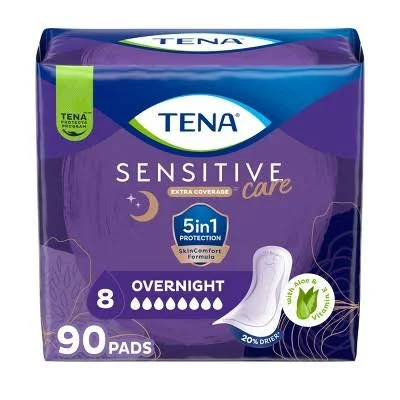
Tena · Incontinence Pads & Protection
TENA Women's Sensitive Care Extra Coverage Overnight Incontinence Pads
Avoid until the brand discloses waterproofing chemistry. Incontinence pads commonly use fluorinated coatings.
TENA doesn't disclose what chemicals coat this pad's waterproof barrier, the highest-risk component for PFAS. Incontinence and period products routinely use water-repellent coating treatments, historically a major PFAS source, and no third-party testing is available.
The better-graded swap
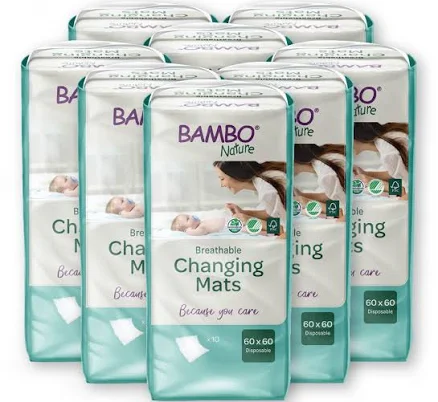
Bamboo Nature
Bambo Nature Changing Mats
70/100 safety
Same rubric that flunked this product. The swap earned Good.
Still want this one anyway? Check the price on Amazon. We’d swap it.
Material
cellulose-based core with synthetic waterproof/moisture-barrier outer layers (composition unspecified)
Brand disclosure
Brand is silent on PFAS
Lab data
No public lab test
What TENA Women's Sensitive Care Extra is made of, ingredients and materials
TENA Women's pads use a cellulose-based absorbent core (wood pulp, typically), which is not a material linked to PFAS. The waterproof outer layer material is not disclosed by the brand. Incontinence pads require moisture barriers, and the industry standard is synthetic polymer films, many of which are treated with fluorinated coatings (PFAS) to achieve waterproofing. Without Cantel Medical's specific chemistry disclosure, the presence of persistent fluorochemicals cannot be ruled out.
What’s concerning
Category baseline
The starting point for this type of product, before anything specific to this product is counted.
No PFAS disclosure
No public statement from the brand about PFAS in this product.
Waterproof / stain-resistant treatment
Water-repellent coating treatments have historically used PFAS.
PFAS
Incontinence pads almost universally use fluorinated polymers for moisture barriers. Cantel Medical has not disclosed whether TENA uses PFAS-free alternatives, making exposure probable. Direct skin contact with pads raises concerns for PFAS migration, especially in extended wear or compromised barrier integrity.
Source, ATSDR ↗Bacterial or fungal growth (skin contact hazard)
Any incontinence pad that is not changed frequently enough can create a warm, moist environment favoring urinary tract infection or yeast overgrowth. The cellulose core itself does not harbor contaminants, but prolonged saturation degrades the barrier and increases maceration and secondary infection risk.
Synthetic polymer off-gassing (VOCs)
Plastic film layers and adhesives in incontinence pads can emit low levels of volatile organic compounds (VOCs), particularly if stored in warm or enclosed spaces. Overnight use means 8+ hours of close skin contact; ventilation and storage conditions matter more for this product than daytime alternatives.
Skin sensitizers or adhesive allergens
Acrylate-based adhesives and synthetic polymers can trigger contact dermatitis or irritation in sensitive individuals, though clinical rates are low. TENA does not list allergen warnings or detailed adhesive chemistry; patch testing is advisable if you have history of adhesive sensitivity.
What’s reassuring
Heavy metals
Cellulose-based absorbent cores and standard plastic films do not typically incorporate heavy metal pigments, formaldehyde-releasing resins, or talc. No public safety alerts for TENA incontinence pads point to these contaminants.
Source, FDA ↗The full breakdown
The brand's record and disclosure
Cantel Medical (parent company of TENA in some markets) has not published detailed material safety data sheets or PFAS-avoidance commitments for incontinence products. The brand maintains no public certification (e.g., OEKO-TEX, bluesign) for this category that would signal third-party chemical screening. No major recalls specific to chemical contamination in TENA incontinence pads are on record, but silence on waterproofing chemistry is a red flag in an industry where PFAS use is common.
How it compares in its category
Most mass-market incontinence pads (Depend, Huggies Little Snooze, store brands) share the same cellulose-plus-plastic barrier design and face identical PFAS disclosure gaps. Some premium alternatives (e.g., Welly, Sposie) market 'fluorine-free' waterproofing, though verification is limited. Cost-wise, TENA positions as mid-to-premium; transparency on chemical content does not match that positioning relative to smaller competitors.
If you buy it
Change pads regularly (every 2-4 hours for overnight use, or when saturated) to minimize skin maceration and bacterial growth in warm, moist conditions. Store in a cool, dry place; do not heat or microwave. If skin irritation develops (redness, rash, burning), discontinue and patch-test with a different brand or material (cloth reusables, if feasible). Request product Safety Data Sheets (SDS) from the retailer or manufacturer if chemical sensitivities are a concern.
What we don’t know
- Basis
- Model estimate, 42% confidence, not a lab result
- Lab test
- None on record for this exact product
- Brand statement
- Tena has made none
Formulations change between production runs, so check the current label. How we grade.
Better-graded alternatives in Incontinence Pads & Protection
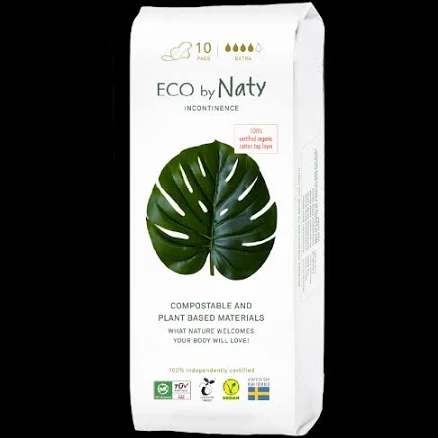
Eco By Naty
Incontinence Pads
- Bamboo-derived viscose, cotton, plant-based absorbent core
- We found no PFAS statement from the brand
- Heavy metals
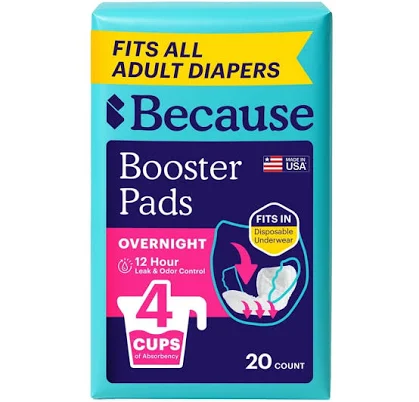
Because Market
Because Booster Pads
- Cellulose, superabsorbent polymer, cotton blend
- We found no PFAS statement from the brand
- Absorbent material degradation and bacterial growth
2 hazards checked on this product. See all of them.
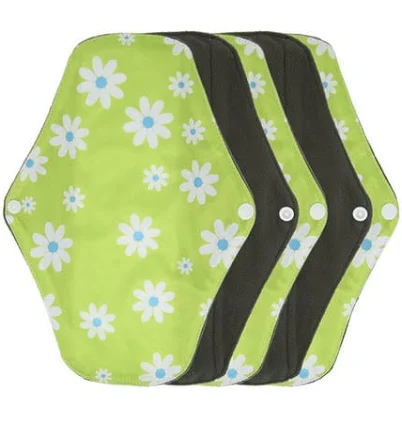
5pcs Bamboo Charcoal Washable Incontinence Pads
- bamboo charcoal textile, washable cotton-blend absorbent layer
- We found no PFAS statement from the brand
- Azo dyes and synthetic colorants
4 hazards checked on this product. See all of them.
More incontinence pads & protection grades
How we score, every product runs through the same public 0-100 rubric based on materials, coatings, brand disclosure, lab findings, and recalls. See the full methodology → Spotted a mistake? Report an error.