Incontinence Pads vs Disposable Underpad 23" x 36": which is safer?
Eco by Naty Incontinence Pads is the clear pick. Medline Disposable Underpad 23" x 36" carries a failing PFAS grade, and we never recommend buying a failing product.
Our pick
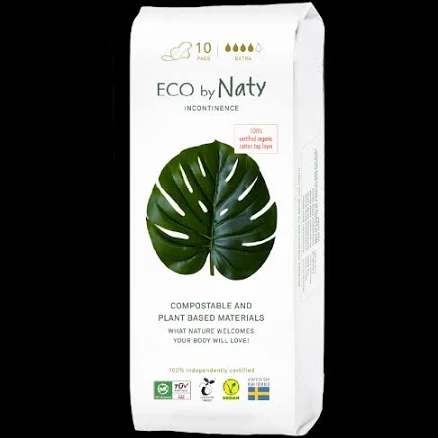
Eco By Naty
Incontinence Pads
PFAS grade
Overall grade
Verdict
Hazard flags
Material
Confidence
PossibleHeavy metals in cellulose or plant-derived materials
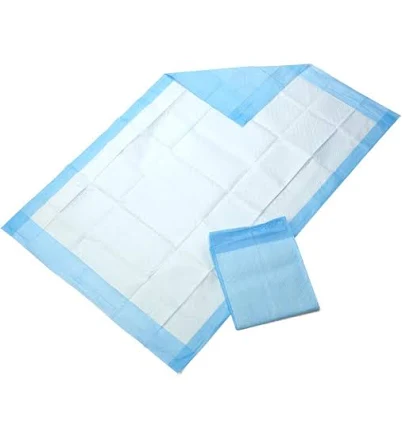
Medline
Disposable Underpad 23" x 36"
PFAS grade
Overall grade
Verdict
Hazard flags
Material
Confidence
PossibleWaterproof coating leachables (polymer/adhesive)
PossibleOff-gassing from adhesive or polymer backing
ReportedBacterial or fungal growth if pads remain in contact with skin too long
Where these two actually differ
- We flag Heavy metals in cellulose or plant-derived materials on the Eco By Naty and not on the Medline.
- We flag Waterproof coating leachables (polymer/adhesive), Off-gassing from adhesive or polymer backing and Bacterial or fungal growth if pads remain in contact with skin too long on the Medline and not on the Eco By Naty.
- The Eco By Naty is Bamboo-derived viscose, cotton, plant-based absorbent core where the Medline is Cellulose/polymer composite with waterproof backing (unspecified polymer/coating), which is most of the difference in these two grades.
- The gap is 45 points, wide enough that this is not a close call, and the Eco By Naty is the one to buy.
- We are less certain about the Medline grade, at 42% confidence against 78%, because it discloses less.
Both products run through the same public rubric: materials, coatings, brand disclosure, lab findings, and recalls, plus a beyond-PFAS hazard analysis. Grades are model-based estimates, not lab tests. How grades work →
More incontinence pads & protection: see the full ranking