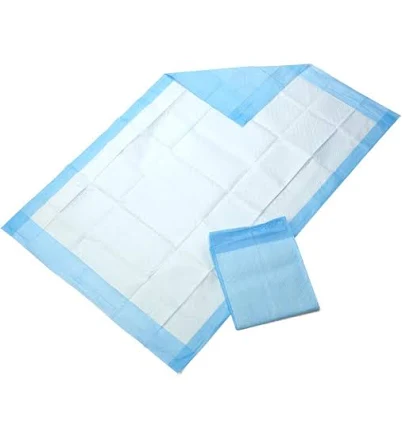
Medline · Incontinence Pads & Protection
Medline Disposable Underpad 23" x 36"
Skip until Medline discloses waterproof treatment chemistry.
Medline Purefit underpads use an unspecified backing coating, likely required for function but composition stays unclear. No PFAS claim, third-party data, or material transparency from Medline.
The better-graded swap
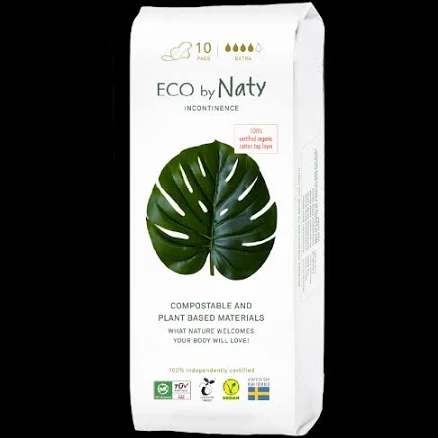
Eco By Naty
Eco by Naty Incontinence Pads
70/100 safety
Same rubric that flunked this product. The swap earned Good.
Still want this one anyway? Check the price on Amazon. We’d swap it.
Material
Cellulose/polymer composite with waterproof backing (unspecified polymer/coating)
Brand disclosure
Brand is silent on PFAS
Lab data
No public lab test
What Medline Disposable Underpad 23" x 36" is made of, ingredients and materials
This pad is a cellulose/polymer composite with an unspecified waterproof backing layer. The cellulose core is the absorbent material, but the waterproof coating chemistry is not publicly disclosed by Medline, which is the core safety issue. Waterproof backings on incontinence products typically use either polyethylene film, polyurethane, or polymer-PFAS combinations; without Medline's specification, the type of synthetic coating cannot be assessed. The backing's purpose is to prevent leakage through to skin and fabric, making it a key functional layer but also a potential source of leachable or off-gassing compounds if improperly formulated.
What’s concerning
Category baseline
The starting point for this type of product, before anything specific to this product is counted.
No PFAS disclosure
No public statement from the brand about PFAS in this product.
Waterproof / stain-resistant treatment
Water-repellent coating treatments have historically used PFAS.
Waterproof coating leachables (polymer/adhesive)
The unspecified waterproof backing may contain plasticizers, adhesives, or binding agents that can migrate into skin moisture during prolonged contact. Without disclosure of coating type (polyethylene, polyurethane, acrylic, or hybrid), the leach profile cannot be assessed; this is the primary non-PFAS chemical concern.
Off-gassing from adhesive or polymer backing
New disposable underpads may emit volatile organic compounds (VOCs) from adhesive, tackifiers, or polymer curing for the first few uses or if stored in warm conditions. This is typically mild and temporary but can be problematic in enclosed spaces (e.g., small bedrooms) for chemically sensitive individuals.
Bacterial or fungal growth if pads remain in contact with skin too long
While not a flaw in the pad itself, prolonged wear increases risk of skin breakdown and secondary microbial infection, particularly if the waterproof layer prevents adequate air circulation.
What’s reassuring
Cellulose fiber shedding and fragmentation
Cellulose is a natural polymer and very unlikely to shed microplastics in the sense of synthetic polymers. However, if the core degrades from friction or moisture over-saturation, loose fibers could theoretically irritate sensitive skin, though this is not a documented hazard for this product class.
Adhesive or superabsorbent polymer allergens
Incontinence pads often use sodium polyacrylate as a superabsorbent; Medline does not specify whether this product contains it. Documented allergic reactions to superabsorbents are rare, but individuals with sensitivity to acrylate chemistry should verify ingredient list if available.
The full breakdown
The brand's record and disclosure
Medline Industries is a large medical device manufacturer without public PFAS commitment or detailed material composition statements for their incontinence line. The company has not voluntarily disclosed waterproof coating chemistry for the Purefit underpad series despite requests from safety-conscious consumers and third parties. Medline holds ISO 13485 (medical device quality) certification, indicating regulatory compliance but not proactive chemical transparency. The brand's silence on PFAS and coating composition is notable given growing industry pressure on non-woven medical textiles to eliminate fluorinated compounds.
How it compares in its category
Disposable underpads vary widely in waterproof treatment, some use polyethylene film (less likely to contain PFAS), others use polyurethane or acrylic backings (variable PFAS risk depending on formulation). Competitors like Tranquility and Attends also do not uniformly disclose coating chemistry, making Medline typical rather than an outlier in lack of transparency. A small subset of premium brands (e.g., some European manufacturers) have committed to PFAS-free backings, but these are not widely available in the U.S. mass market. Medline's Purefit line positions itself as a budget-friendly option, which often correlates with less rigorous material disclosure.
If you buy it
Store underpads in a cool, dry place away from direct sunlight to prevent polymer degradation or adhesive breakdown over time. Do not expose to temperatures above 100F (roughly body temperature plus margin) as the waterproof backing may soften or release volatiles if overheated. Replace pads every 4 hours or immediately after soiling to minimize prolonged skin contact with breakdown byproducts from moisture and friction. If you have sensitive skin or unexplained rashes after use, discontinue and contact Medline's customer service with the lot number; do not assume the cellulose core is responsible without ruling out the coating.
What we don’t know
- Basis
- Model estimate, 42% confidence, not a lab result
- Lab test
- None on record for this exact product
- Brand statement
- Medline has made none
Formulations change between production runs, so check the current label. How we grade.
Better-graded alternatives in Incontinence Pads & Protection
Eco By Naty
Incontinence Pads
- Bamboo-derived viscose, cotton, plant-based absorbent core
- We found no PFAS statement from the brand
- Heavy metals
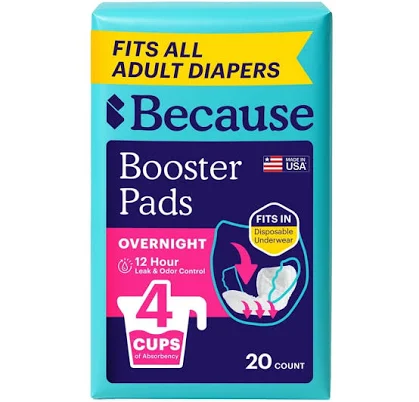
Because Market
Because Booster Pads
- Cellulose, superabsorbent polymer, cotton blend
- We found no PFAS statement from the brand
- Absorbent material degradation and bacterial growth
2 hazards checked on this product. See all of them.
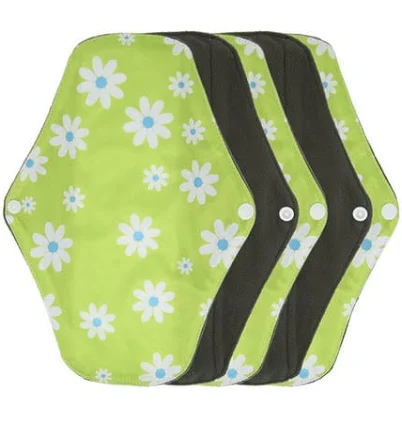
5pcs Bamboo Charcoal Washable Incontinence Pads
- bamboo charcoal textile, washable cotton-blend absorbent layer
- We found no PFAS statement from the brand
- Azo dyes and synthetic colorants
4 hazards checked on this product. See all of them.
More incontinence pads & protection grades
How we score, every product runs through the same public 0-100 rubric based on materials, coatings, brand disclosure, lab findings, and recalls. See the full methodology → Spotted a mistake? Report an error.