UV Solutions Hydrating Sunscreen SPF 50 vs Daily Sun Serum SPF 30 Mineral Sunscreen: which is safer?
Daily Sun Serum SPF 30 Mineral Sunscreen is our pick, better on PFAS and on the overall hazard picture.
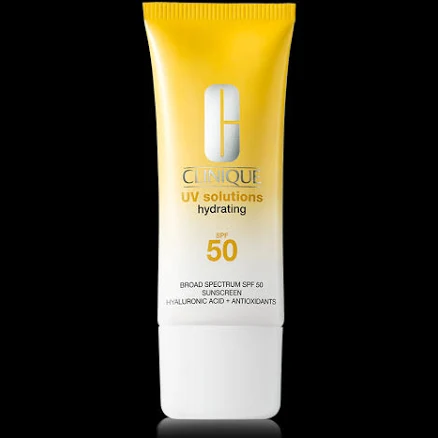
Clinique
UV Solutions Hydrating Sunscreen SPF 50
PFAS grade
Overall grade
Verdict
Hazard flags
Material
Confidence
PossibleFragrance allergens / sensitizers
ReportedNanoparticle inhalation risk (zinc oxide / titanium dioxide aerosolization)
PossibleSkin irritation or photosensitivity from mineral filter interaction
Our pick
Derma E
Daily Sun Serum SPF 30 Mineral Sunscreen
PFAS grade
Overall grade
Verdict
Hazard flags
Material
Confidence
Possible1,4-dioxane (non-intentional contaminant from surfactants/emulsifiers)
PossibleFragrance allergens (if fragrance is present)
Where these two actually differ
- We flag Fragrance allergens / sensitizers, Nanoparticle inhalation risk (zinc oxide / titanium dioxide aerosolization) and Skin irritation or photosensitivity from mineral filter interaction on the Clinique and not on the Derma E.
- We flag 1,4-dioxane (non-intentional contaminant from surfactants/emulsifiers) and Fragrance allergens (if fragrance is present) on the Derma E and not on the Clinique.
- The Clinique is Water-based emulsion, mineral sunscreen filters (zinc oxide/titanium dioxide) where the Derma E is Mineral sunscreen, zinc oxide base, which is most of the difference in these two grades.
- The gap is 25 points, wide enough that this is not a close call, and the Derma E is the one to buy.
Both products run through the same public rubric, which covers materials, coatings, brand disclosure, lab findings, and recalls, plus a beyond-PFAS hazard analysis. Grades are model-based estimates, not lab tests. How grades work →
More sunscreen, see the full ranking