Healthcare Germicidal Bleach Wipes vs Disinfecting Wipes Seventh Generation: which is safer?
Disinfecting Wipes Seventh Generation is our pick, better on PFAS and on the overall hazard picture.
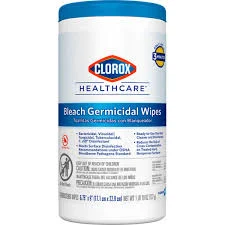
Clorox
Healthcare Germicidal Bleach Wipes
PFAS grade
Overall grade
Verdict
Hazard flags
Material
Confidence
LikelySodium hypochlorite (bleach) skin and mucous membrane irritation
PossibleNonwoven substrate degradation and microfiber shedding
ReportedChemical residue on surfaces after disinfection
Our pick
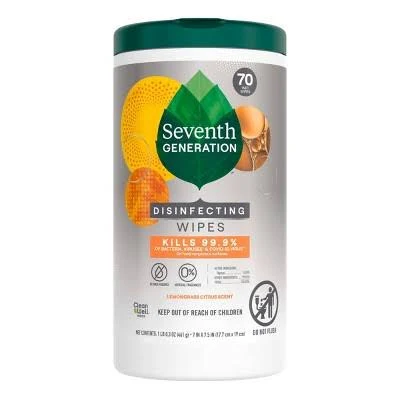
Seventh Generation Disinfecting Wipes
Disinfecting Wipes Seventh Generation
PFAS grade
Overall grade
Verdict
Hazard flags
Material
Confidence
PossibleQuaternary ammonium irritation (skin/eye)
PossibleMicroplastic shedding from nonwoven degradation
Where these two actually differ
- We flag Sodium hypochlorite (bleach) skin and mucous membrane irritation, Nonwoven substrate degradation and microfiber shedding, Chemical residue on surfaces after disinfection and Chlorine gas release if mixed with ammonia or other cleaners on the Clorox and not on the Seventh Generation Disinfecting Wipes.
- We flag Quaternary ammonium irritation (skin/eye) and Microplastic shedding from nonwoven degradation on the Seventh Generation Disinfecting Wipes and not on the Clorox.
- The Clorox is nonwoven wipe substrate (likely polypropylene/cellulose blend) with bleach solution where the Seventh Generation Disinfecting Wipes is nonwoven fabric (polypropylene/polyester blend), quaternary ammonium disinfectant, which is most of the difference in these two grades.
- These two are level, close enough that price and fit should decide it rather than our grade.
- We are less certain about the Clorox grade, at 45% confidence against 82%, because it discloses less.
Both products run through the same public rubric, which covers materials, coatings, brand disclosure, lab findings, and recalls, plus a beyond-PFAS hazard analysis. Grades are model-based estimates, not lab tests. How grades work →
More cleaning wipes, see the full ranking