Ultra Thin Pads vs Chlorine Free Maxi Pads: which is safer?
Seventh Generation Chlorine Free Maxi Pads is the clear pick. Kotex Ultra Thin Pads carries a failing PFAS grade, and we never recommend buying a failing product.
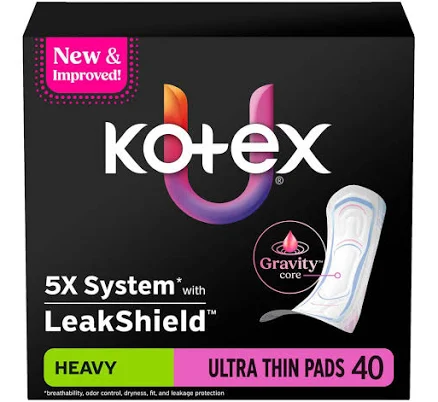
Kotex
Ultra Thin Pads
PFAS grade
Overall grade
Verdict
Hazard flags
Material
Confidence
PossibleWaterproof backing layer (unspecified composition)
ReportedContact dermatitis and skin irritation from adhesives or cellulose
LikelyBacterial growth and toxic shock risk (usage-related)
Our pick
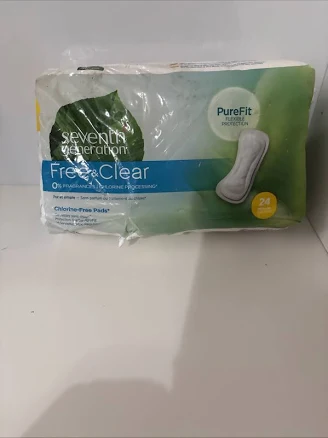
Seventh Generation
Chlorine Free Maxi Pads
PFAS grade
Overall grade
Verdict
Hazard flags
Material
Confidence
PossibleFragrance allergen content
Where these two actually differ
- We flag Waterproof backing layer (unspecified composition), Contact dermatitis and skin irritation from adhesives or cellulose, Bacterial growth and toxic shock risk (usage-related) and Chlorine bleaching byproducts (dioxins) in cellulose on the Kotex and not on the Seventh Generation.
- We flag Fragrance allergen content on the Seventh Generation and not on the Kotex.
- The Kotex is Cellulose, cotton, adhesive, waterproof backing layer (unspecified) where the Seventh Generation is organic cotton, wood pulp, which is most of the difference in these two grades.
- The gap is 75 points, wide enough that this is not a close call, and the Seventh Generation is the one to buy.
Both products run through the same public rubric, which covers materials, coatings, brand disclosure, lab findings, and recalls, plus a beyond-PFAS hazard analysis. Grades are model-based estimates, not lab tests. How grades work →
More period pads, see the full ranking