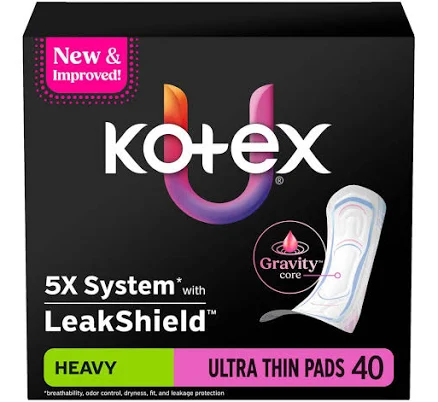
Kotex Ultra Thin Pads
Likely lower concern, but waterproof backing composition not disclosed.
Kotex Ultra Thin pads use standard absorbent materials but do not disclose the chemical composition of their waterproof backing layer. No published lab testing or PFAS claims available.
The better-graded swap
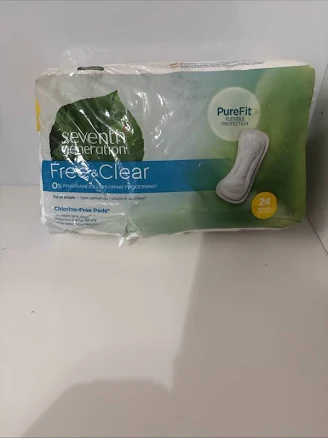
Seventh Generation
Seventh Generation Chlorine Free Maxi Pads
100/100 safety
Same rubric that flunked this product. The swap earned Excellent.
Still want this one anyway? Check the price on Amazon. We’d swap it.
Material
Cellulose, cotton, adhesive, waterproof backing layer (unspecified)
Lab data
No public lab test
You may also be interested in
Top-graded picks in the categories readers replace first, every one scored on the same rubric.

- polypropylene filter housing, carbon/sediment cartridge
- We found no PFAS statement from the brand
- Bacterial growth in spent cartridges
3 hazards checked on this product, all on its full breakdown.

Aquasure
Premier Series 75 GPD Under Sink Reverse Osmosis Water Filtration System
- RO membrane, carbon filters, stainless steel housing
- We found no PFAS statement from the brand
- Bacterial and microbial growth in housing and filters
4 hazards checked on this product, all on its full breakdown.

Avocado
Vegan Mattress
- organic cotton, natural latex, coconut coir, recycled steel coils
- The brand calls it PFAS-free, which we have not verified
- Heavy metals
2 hazards checked on this product, all on its full breakdown.
What Kotex Ultra Thin Pads is made of, ingredients and materials
Kotex Ultra Thin uses cellulose and cotton as absorbent layers, both natural materials with minimal leaching risk. The waterproof backing layer composition is not publicly disclosed by the manufacturer, which is the primary concern. Adhesives used to bond layers are also unspecified, though period-pad adhesives are typically acrylate-based and applied in minimal quantities. The undisclosed backing is where PFAS or other water-resistant chemicals are most likely to reside.
What’s concerning
Waterproof / stain-resistant treatment
Water-repellent coating treatments have historically used PFAS.
Category baseline
The starting point for this type of product, before anything specific to this product is counted.
No PFAS disclosure
No public statement from the brand about PFAS in this product.
Waterproof backing layer (unspecified composition)
Undisclosed backing material likely contains PFAS or other fluorinated compounds for water resistance. No test data on leaching or dermal absorption is publicly available for this specific product.
Contact dermatitis and skin irritation from adhesives or cellulose
Menstrual pads are a known source of allergic contact dermatitis; reported cases involve acrylate adhesives and fragrance. Kotex Ultra Thin does not list fragrance, reducing this specific risk, but sensitivity to cellulose or adhesive formulation remains possible.
Bacterial growth and toxic shock risk (usage-related)
Not a product-chemistry hazard but a use hazard, prolonged pad retention (>8 hours) creates warm, moist environment supporting bacterial overgrowth, including TSS-causing strains. Material composition does not mitigate this risk.
Chlorine bleaching byproducts (dioxins) in cellulose
Cellulose pulp in pads is typically chlorine-bleached; trace dioxins may remain. Dermal absorption from brief pad contact is negligible, but bioaccumulation via repeated exposure is theoretically possible over years.
What’s reassuring
Formaldehyde / VOCs
Cellulose and cotton used in pads can be treated with formaldehyde-releasing resins for wrinkle-resistance or antimicrobial finish. No public reports of formaldehyde detection in Kotex products; if present, exposure via brief contact would be minimal.
Source, ATSDR ↗How is this PFAS grade calculated?
The brand's record and disclosure
Kotex (owned by Kimberly-Clark) does not publish ingredient lists or material transparency reports for period products, which is standard across most menstrual-product manufacturers. The company has faced no major recalls or safety announcements related to chemical contamination in this product line. No formal certifications (organic, hypoallergenic, OEKO-TEX) are claimed, suggesting minimal third-party material vetting. The silence on PFAS and backing-layer chemistry reflects industry-wide opacity rather than a Kotex-specific red flag.
How it compares in its category
Most conventional period pads (Tampax, Always, U by Kotex) use similarly undisclosed waterproof backings; this product is not an outlier in transparency. Organic or certified alternatives (Rael, Cora, Lola) do disclose materials and avoid synthetic backing, offering higher transparency but at higher cost. Ultra Thin positioning focuses on comfort and discretion, not safety or environmental claims, so it does not promise or underdeliver on material safety relative to category expectations. This product sits in the mainstream convenience segment with typical chemical-disclosure limitations.
If you buy it
Store in a cool, dry place away from humidity to prevent adhesive degradation or mold growth in the wrapper. Change pads every 4-8 hours depending on flow to minimize bacterial growth and skin irritation; prolonged use increases contact-dermatitis risk regardless of chemistry. If you develop rashes, itching, or odor changes, switch to a different absorbent material (cotton-only or organic) to isolate whether the product is the cause. Dispose of used pads in designated waste, not toilet, to avoid plumbing damage and environmental persistence.
What is not known about PFAS in this product?
- Basis
- Model estimate, 55% confidence, not a lab result
- Lab test
- None on record for this exact product
- Brand statement
- Kotex has made a specific claim
Formulations change between production runs, so check the current label. How we grade.
What are the PFAS-free alternatives to Kotex Ultra Thin Pads?
- organic cotton, wood pulp
- The brand calls it PFAS-free, which we have not verified
- Fragrance allergen content
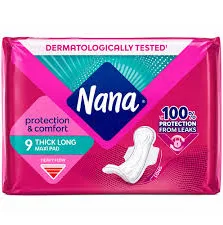
- cellulose, cotton blend, absorbent core
- We found no PFAS statement from the brand
- Bleach residues and processing chemicals in cellulose
3 hazards checked on this product, all on its full breakdown.
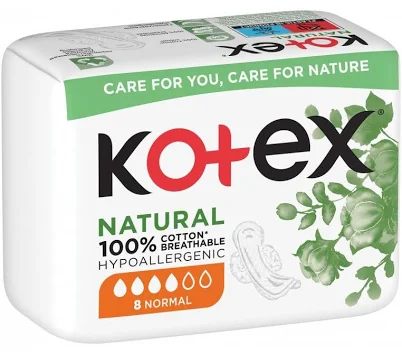
- Cotton, wood pulp absorbent core, plastic backing
- Pesticide residue
2 hazards checked on this product, all on its full breakdown.
More period pads grades
How we score, every product runs through the same public 0-100 rubric based on materials, coatings, brand disclosure, lab findings, and recalls. See the full methodology → Spotted a mistake? Report an error.