Basecoat & Sealer Nail Polish vs Color Therapy Nail Polish: which is safer?
Piggy Paint Basecoat & Sealer Nail Polish is our pick, better on PFAS and on the overall hazard picture.
Our pick
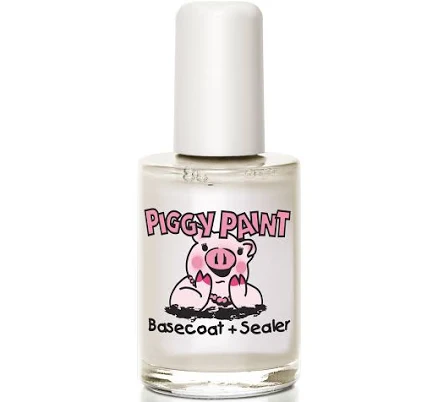
Piggy Paint
Basecoat & Sealer Nail Polish
PFAS grade
Overall grade
Verdict
Hazard flags
Material
Confidence
PossibleHeavy metals in organic pigments
ReportedVolatile organic compounds (VOCs) from solvents
PossibleBacterial or fungal growth in water-based formula
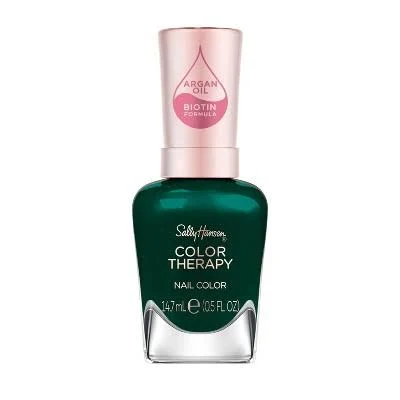
Sally Hansen
Color Therapy Nail Polish
PFAS grade
Overall grade
Verdict
Hazard flags
Material
Confidence
LikelyVolatile organic compounds (VOCs) / solvent inhalation
PossiblePhthalates (dibutyl phthalate, other plasticizers)
PossibleFormaldehyde and formaldehyde releasers
Where these two actually differ
- We flag Heavy metals in organic pigments, Volatile organic compounds (VOCs) from solvents and Bacterial or fungal growth in water-based formula on the Piggy Paint and not on the Sally Hansen.
- We flag Volatile organic compounds (VOCs) / solvent inhalation, Phthalates (dibutyl phthalate, other plasticizers), Formaldehyde and formaldehyde releasers and Coating degradation and safety over time on the Sally Hansen and not on the Piggy Paint.
- The Piggy Paint is Water-based organic pigments and plant-derived resins where the Sally Hansen is nail polish base (nitrocellulose, plasticizers, resins), which is most of the difference in these two grades.
- The gap is 25 points, wide enough that this is not a close call, and the Piggy Paint is the one to buy.
- We are less certain about the Sally Hansen grade, at 45% confidence against 82%, because it discloses less.
Both products run through the same public rubric, which covers materials, coatings, brand disclosure, lab findings, and recalls, plus a beyond-PFAS hazard analysis. Grades are model-based estimates, not lab tests. How grades work →
More nail polish & top coat, see the full ranking