By PFAS Authority · Updated October 31, 2026
Top grades to buy
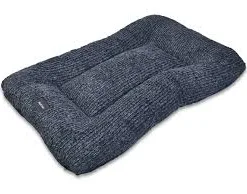
Heyday
West Paw Heyday Dog Bed
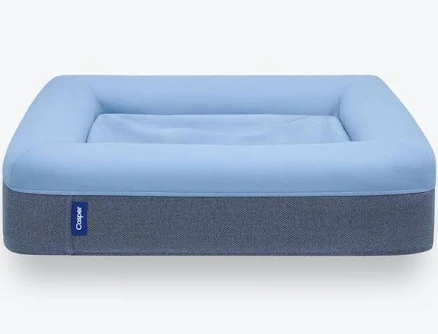
Casper
Dog Bed

Casper
Sleep Dog Bed, Plush Memory Foam, Small, Blue - High-visibility reflective stair tape, Up to 50% Off and Free Shipping
Model-based grades, not lab tests. We flunk more than we pass. How grading works
PFAS in Waterproof Pet Beds, Why the Waterproof Ones Grade Worst
Based on available materials and data, the clearest finding in this category is not a single winning pet bed but a pattern, the more aggressively a pet bed is marketed as "waterproof," "stain-proof," or "odor-resistant," the more likely it is to rely on a fluorinated durable water repellent (DWR) finish, a chemical family that includes PFAS. Our database does not yet contain lab-graded waterproof pet bed listings, so we cannot point you to a specific bed with a verified "Excellent" score the way we can for water bottles or cookware. What we can do is show you the material logic that makes plain, washable, uncoated beds a lower-concern choice than beds built around proprietary "waterproof technology," and point you to our product finder to check specific bed brands as they get added.
The practical winner, based on the same material principles that earn products like the Soma 24oz Stainless Steel Water Bottle and the Made In 10" Stainless Clad Frying Pan an Excellent, 100/100 model-based estimate in our database, is the same principle applied to pet beds, inert, uncoated, machine-washable materials consistently outperform chemically treated "waterproof" ones on PFAS concern, even though no pet bed has been lab-tested in our own database yet. That is an estimate drawn from material science and public disclosure patterns across waterproofed textiles, not a certified lab result for any named bed.
| Bed construction type | PFAS concern, model estimate | Verdict |
|---|---|---|
| Fluorinated DWR-treated waterproof fabric (marketed "100% waterproof") | High concern | Avoid where an alternative exists |
| PU (polyurethane) laminate liner, no fluorinated topcoat disclosed | Moderate concern | Acceptable if brand confirms no fluorinated finish |
| Vinyl or PVC liner | Lower PFAS concern, different chemical tradeoffs (phthalates) | Situational, not a PFAS-specific fix |
| Waxed canvas or oilcloth | Variable, depends on wax formulation | Ask the brand directly |
| Uncoated cotton, canvas, or hemp with removable, machine-washable cover | Lower concern | Our general recommendation |
None of these rows represent a graded, named product in our database. They are model-based estimates built from how PFAS is used across the textile industry, the same chemistry category behind waterproof boots swimwear carpets and rugs, and waterproof phone cases. Pet beds borrow the same durable water repellent formulas used in outdoor gear, which is exactly why the beds marketed hardest on waterproofing tend to carry the most fluorinated chemistry.
Why "waterproof" is the warning word, not the selling point
Durable water repellent finishes work by coating fiber surfaces with a layer that makes water bead and roll off instead of soaking in. For decades, the most effective and cheapest way to do this at scale was long-chain and later short-chain PFAS, commonly called C8 and C6 fluorotelomers. Pet bed manufacturers use the same finishing chemistry as tent and jacket makers because it is effective, durable through repeated washing, and inexpensive to apply. Based on available materials and data, this is an association between waterproof marketing claims and higher PFAS likelihood, not a causal certainty for every single product carrying that label. Some brands have switched to non-fluorinated water repellents (often wax or silicone based), but unless a brand explicitly states this and, ideally, backs it with third-party testing, "waterproof" on a pet bed tag should be read as a yellow flag rather than a feature.
It's worth separating brand-stated claims from third-party verified claims here. A tag that says "PFAS-free" or "eco waterproof" is a brand-stated claim until an independent lab confirms it. Many smaller pet accessory brands make this claim without publishing any test data, and few submit products to the kind of independent PFAS screening that outdoor apparel brands have started doing under pressure from state bans like California's AB 1817 and New York's PFAS textile law. Until a pet bed brand publishes or links third-party lab results, treat any "PFAS-free" label as unverified marketing language, not a guarantee.
Material breakdown, what's actually inside a waterproof pet bed
Outer waterproof shell fabrics
Materials Typically polyester or nylon ripstop with a sprayed or dipped DWR finish, sometimes layered over a PU membrane for true waterproofing rather than just water resistance.
Brand claims "Fully waterproof," "liquid-proof," "accident-proof," often paired with "machine washable outer." These are brand-stated claims about water performance, not chemical composition disclosures.
Honest pros and cons Pro, genuinely useful for puppies, senior dogs, and incontinent pets, since liquid truly does not pass through. Con, the finish that makes this possible is, based on available materials and data, most often a fluorinated DWR unless the brand states otherwise, and washing does not fully remove a sewn-in liner's chemical treatment the way it would a spray-on finish on a jacket.
Zippered PU-laminate liners
Materials A polyurethane film bonded to a woven or knit backing, used as the inner waterproof layer under a removable fabric cover.
Brand claims "Waterproof lining," "odor and stain barrier," occasionally "non-toxic" without further specification.
Honest pros and cons Pro, PU lamination alone does not require fluorinated chemistry to achieve waterproofing, since the film itself is the barrier rather than a surface coating, which is a meaningfully different (and often lower PFAS risk) construction method. Con, many manufacturers still apply a fluorinated topcoat to the PU layer for extra stain and grease resistance, and this is rarely disclosed on the product label.
Stain-guard and odor-guard topical treatments
Materials A secondary spray-on or roller-applied finish added after the base fabric is manufactured, frequently fluorine-based even on beds whose base fabric is untreated.
Brand claims "Stays fresh," "repels stains," "easy wipe clean."
Honest pros and cons Pro, real convenience for pet owners dealing with shedding, drool, and mud. Con, stain guard and grease resistance are two of the most reliable tells for PFAS in consumer textiles generally, the same chemistry flagged in our coverage of grease-resistant paper napkins and towels and fast food wrappers. A bed that is not marketed as waterproof but is marketed as stain-resistant can carry similar or greater PFAS exposure risk.
Uncoated, removable-cover beds
Materials Cotton canvas, cotton-poly blends, or hemp covers with a separate, non-waterproof foam or polyfill interior, sold with the expectation that owners wash the cover regularly rather than rely on a liquid barrier.
Brand claims Usually minimal, often just "machine washable cover" without any water-repellent claim at all.
Honest pros and cons Pro, based on available materials and data, the absence of a water-repellent finish is itself the strongest indicator of lower PFAS concern among pet bed types, since there is no functional reason for the manufacturer to add fluorinated chemistry. Con, zero liquid protection, meaning accidents soak into the foam interior and require either full bed replacement or an added separate waterproof liner, which reintroduces the very coating question you were trying to avoid.
What our broader product data tells us about alternatives to coated materials
We don't have a PFAS-graded pet bed on file yet, but the same chemistry questions apply across categories, and the products in our database that avoid PFAS-reliant construction consistently land in the Excellent, 100/100 range as a model-based estimate from materials and public disclosure, not a lab test for the specific item. The Made In 10" Stainless Clad Frying Pan earns that score because stainless steel does not require a nonstick fluoropolymer coating to function, the same logic that applies to an uncoated canvas pet bed cover versus a chemically treated one. The Ruby Love First Period Kit, Teen Period Underwear is relevant for a different reason, leak-proof period underwear uses the same category of waterproof membrane technology found in pet beds, and it also scores Excellent in our database as a model-based estimate, suggesting that leak-proof performance and lower PFAS concern are not mutually exclusive when a brand discloses its membrane chemistry clearly.
Water bottles tell a similar story from the materials side. The Clearly Filtered 40oz Insulated Stainless Steel Filtered Water Bottle and the S'well Traveler both score Excellent largely because stainless steel, like uncoated cotton, is an inert material that doesn't need a fluorinated finish to do its job. None of these are pet beds, and we are not claiming they are interchangeable products. We're using them to illustrate a consistent material principle in our scoring data, products that skip the coating skip the PFAS risk that comes with it.
What to avoid
- Any pet bed marketed as "100% waterproof" or "fully liquid-proof" without a stated finish type. Based on available materials and data, this combination is the single strongest PFAS warning sign in the category.
- "Stain-resistant" or "odor-resistant" claims on beds that are not even marketed as waterproof. These finishes often use the same fluorinated chemistry as waterproofing and are easy to overlook because the word "waterproof" never appears.
- Sewn-in, non-removable waterproof liners. You cannot wash out or replace a chemical finish that's bonded into a liner you can never take off the bed.
- Vague "non-toxic" or "pet-safe" labeling with no material disclosure. These are marketing terms, not chemical composition statements, and should never be read as confirmation a product has no PFAS.
- Unverified "PFAS-free" claims with no linked lab report. A brand stating a product is PFAS-free is a brand claim, not a third-party verified one, until independent test data is published.
- Bargain waterproof beds with no fabric specification at all. Lower-cost waterproof pet beds frequently use older, less-regulated fluorotelomer chemistry because it remains cheaper than newer alternatives.
Our pick
Based on available materials and data, our practical recommendation is to favor pet beds built around a removable, machine-washable, uncoated cotton or canvas cover over a plain foam or polyfill interior, and to pair that with a separate, clearly labeled waterproof mat only when needed, checking that mat's brand disclosures specifically for fluorinated finishes before buying. This is not a statement that any specific named pet bed is "PFAS-free" or "safe," since we have not lab-graded a pet bed product in our database at the time of writing. It is a materials-based recommendation that mirrors the pattern we see across graded categories in our database, from the Soma 24oz Stainless Steel Water Bottle to the Made In frying pan, where inert, uncoated materials consistently earn the highest, lowest-concern scores. If you want to check a specific pet bed, waterproof boot, or waterproof camera case brand against our growing database, start with our product finder, and in the meantime treat any aggressive "waterproof" or "stain-guard" marketing on a pet bed as a prompt to ask the manufacturer directly whether its finish is fluorinated.
Frequently asked questions
Are all waterproof pet beds guaranteed to contain PFAS?
No. Based on available materials and data, waterproof marketing claims correlate with a higher likelihood of fluorinated DWR finishes, but this is an association drawn from how the textile industry has historically achieved waterproofing, not a certainty for every individual product. Some manufacturers have switched to non-fluorinated waterproofing methods, such as PU film lamination without a fluorinated topcoat, though this is rarely disclosed clearly on packaging.
Does PFAS exposure from a pet bed pose a health risk to my dog or cat?
Research on PFAS exposure has linked the chemical class to various health concerns in animal studies and human epidemiological research, but association is not the same as proven causation for any specific exposure scenario, including a pet lying on a treated bed. We are not making a health claim about any named product here. If you have concerns about a pet's specific health condition, that conversation belongs with a veterinarian, not a product label.
If a pet bed says "PFAS-free," can I trust that claim?
Treat it as a brand-stated claim rather than a verified one unless the brand links to independent, third-party lab testing. Many consumer product brands across pet goods, cookware, and clothing use "PFAS-free" as a marketing term without publishing supporting data, which is a pattern we also see in categories like non-stick knife sets and cast iron cookware. A specific lab-backed claim with a named testing lab and date is meaningfully more trustworthy than a bare label statement.
Now check your own stuff
See every product we’ve graded in this category, best-graded first.
Get the graded list, free.
The products we score each week, and the best-graded alternative in every category.
No spam. Unsubscribe anytime.