By PFAS Authority · Updated September 30, 2026
Top grades to buy

Aisle
Super Hipster
APEC Water Systems
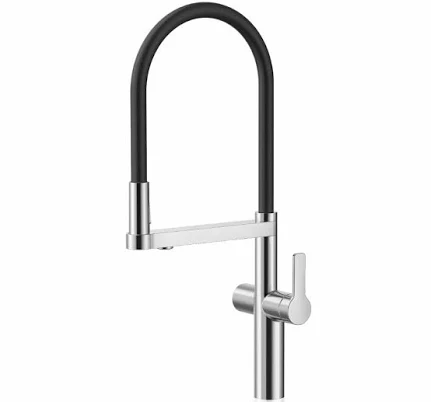
APEC 2-in-1 Pull-Down Kitchen Faucet

Aquasure
Premier Series 75 GPD Under Sink Reverse Osmosis Water Filtration System
Model-based grades, not lab tests. We flunk more than we pass. How grading works
Can You Stay Warm and Dry in 2026 Without Forever Chemicals?
Edmund Hillary and Tenzing Norgay reached the summit of Everest in 1953 wearing cotton, wool, and early synthetic shells, no PFAS required. Yet more than seventy years later, most rain jackets, tents, and sleeping bags sold to weekend hikers are treated with the same class of "forever chemicals" that scientists now associate with a range of health concerns. A recent Washington Post column asks a simple question, if the first Everest climbers didn't need forever chemicals to survive a mountain, why do the rest of us need them to survive a drizzle?
The answer, increasingly, is that we don't, but finding gear without PFAS still takes some digging. PFAS Authority's own scoring of 11,067 products found that 40% fail its PFAS and toxin screen, with outdoor gear categories among the worst offenders.
What Did the Washington Post Column Say?
The column, published March 10, 2026, traces the outdoor industry's decades-long reliance on per- and polyfluoroalkyl substances (PFAS) to waterproof jackets, treat tents, and coat sleeping bags. These chemicals repel water and oil effectively, which is exactly why manufacturers adopted them. But PFAS don't break down in the environment, and research has linked exposure to certain PFAS compounds with health concerns including altered cholesterol levels, immune effects, and some cancers, according to the U.S. Environmental Protection Agency. The column argues that early mountaineering gear proves durable weather protection doesn't require these chemicals, and that newer, PFAS-free alternatives are catching up fast.
Who Is Affected by This?
Essentially anyone who buys outdoor gear. PFAS Authority's scoring data shows the problem is concentrated in specific categories rather than spread evenly across the market. Among products the site has evaluated.
- Camping tents and tarps, 100% failing, out of 316 products scored
- Rain jackets, 100% failing, out of 74 products scored
- Cycling rain jackets, 100% failing, out of 72 products scored
- Sleeping bags, 100% failing, out of 15 products scored
- Softshell jackets, 100% failing, out of 15 products scored
Notably, these figures come from PFAS Authority's review of published ingredient lists, materials disclosures, and third-party certifications, not laboratory testing of the finished products. That distinction matters, a brand's failure to disclose isn't proof a product contains PFAS, but it does mean shoppers have no way to confirm it doesn't.
That gap in disclosure is itself a pattern. PFAS Authority has flagged brands including Cuisinart, The North Face, MAC, Calphalon, T-fal, Nike, Columbia, and All-Clad as disclosing nothing about PFAS in the products it has reviewed, spanning both outdoor gear and kitchenware.
Why Does This Matter for Your Health and Wallet?
PFAS chemicals used in durable water repellent (DWR) coatings can shed from fabric over time through washing, wear, and UV exposure, according to environmental health researchers. Once released, they're persistent in soil and water and have been detected in blood samples across the general population by the Centers for Disease Control and Prevention. Associations with health outcomes, not proven causation, include changes in liver function, thyroid disruption, and reduced vaccine response in some studies, per EPA and CDC reviews. For consumers, the practical concern is exposure that accumulates from many small sources, gear, food packaging, cookware, and drinking water combined.
There's also a financial angle. Regulatory pressure is mounting, several states have already passed or proposed bans on PFAS in textiles and apparel, meaning gear built around these chemicals could face reformulation, recalls, or phase-outs. Buying PFAS-free now may mean buying future-proof gear that won't need replacing when rules tighten.
What Can You Do About It?
You don't need to abandon rain protection or winter camping. A few practical steps.
- Look for explicit PFAS-free labeling. Some brands now advertise "PFC-free" or "PFAS-free" DWR treatments using alternatives like silicone- or wax-based coatings.
- Check for third-party certifications that specifically restrict PFAS, rather than relying on vague "eco-friendly" marketing claims.
- Be skeptical of brands that disclose nothing. If a manufacturer doesn't publish materials information, there's no way to verify what's in the product.
- Re-treat older gear with PFAS-free waterproofing sprays as an alternative to buying replacement DWR treatments that still use fluorinated chemicals.
- Compare products before buying. Use a tool like PFAS Authority's product finder to check how specific jackets, tents, or sleeping bags score before you check out.
For readers who want to understand how these scores are calculated, including how "failing" is defined and what counts as adequate disclosure, PFAS Authority's methodology page lays out the full scoring process.
Bottom Line
Forever chemicals became the outdoor industry's default waterproofing solution, but they were never the only option, as pre-PFAS mountaineering history shows. With entire categories like tents and rain jackets scoring 100% failing in PFAS Authority's own review, informed shopping means reading labels carefully, favoring brands that disclose their materials, and treating vague marketing claims with caution.
Frequently Asked Questions
Does a "failing" score mean a product definitely contains PFAS?
Not necessarily. PFAS Authority's scores are based on published ingredients, materials, and certifications rather than laboratory testing, so a failing score can also reflect a brand's lack of disclosure rather than confirmed PFAS content.
Are PFAS-free jackets and tents as waterproof as traditional gear?
Many PFAS-free alternatives, including silicone- and wax-based treatments, perform comparably in independent reviews, though durability and reapplication needs can vary by product and use.
Is PFAS exposure from gear the main health risk to worry about?
Outdoor gear is one of many potential sources; research associates cumulative PFAS exposure, from water, food packaging, and consumer products combined, with certain health effects, according to EPA and CDC reviews, rather than pointing to any single product as the primary risk.
What else we were tracking around this
- Oct 1, 2026Is Europe Finally Cracking Down on PFAS in 2026, And What Does It Mean for Your Shopping Cart?
- Sep 30, 2026Is Your Outdoor Gear Still Full of PFAS in 2026?
- Sep 30, 2026Are “Forever Chemicals” in Your Makeup a Real Concern in 2026?
- Sep 29, 2026Do ‘Forever Chemicals’ Cause Gut Problems in Kids? What the 2026 Study Means for Parents
The latest PFAS news is updated daily.
Now check your own stuff
Search anything you own and get its PFAS grade in seconds.
Get the graded list, free
The products we score each week, and the best-graded alternative in every category.
No spam. Unsubscribe anytime.