By PFAS Authority · Updated October 1, 2026
Top grades to buy

Aisle
Super Hipster
APEC Water Systems
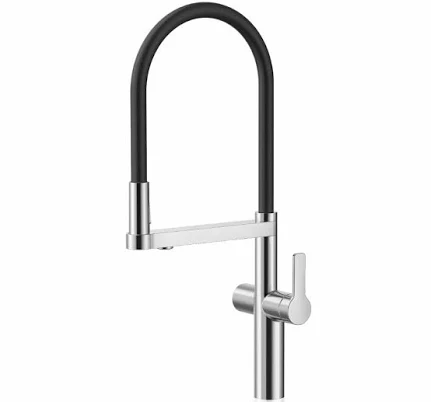
APEC 2-in-1 Pull-Down Kitchen Faucet

Aquasure
Premier Series 75 GPD Under Sink Reverse Osmosis Water Filtration System
Model-based grades, not lab tests. We flunk more than we pass. How grading works
Is Europe Finally Cracking Down on PFAS in 2026, And What Does It Mean for Your Shopping Cart?
If you've felt like PFAS, the so-called "forever chemicals," keep popping up in the news with no end in sight, you're not imagining things. According to a new overview from law firm Squire Patton Boggs, published July 22, 2026, the regulatory landscape for PFAS in Europe is shifting fast, with a growing patchwork of new rules, proposed restrictions, and stakeholder pressure campaigns all converging at once. For consumers, this regulatory churn is a signal, the products on store shelves right now likely still contain these chemicals, and it may be years before uniform rules catch up.
While regulators debate PFAS Authority's own scoring of 11,125 products shows just how widespread the problem already is, 41% of everything we've scored fails our PFAS and toxin screen. That's not a European statistic or a government figure; it's our independent analysis of consumer products sold today. We arrive at that score by reviewing published ingredient lists, material specifications, certifications, and manufacturer disclosures, not by running lab tests, so our scores reflect what brands say (or refuse to say) about what's in their products.
What Happened in Europe?
According to Squire Patton Boggs, European regulators and stakeholders are advancing multiple, overlapping PFAS initiatives simultaneously, not a single unified ban, but a "multiplication" of efforts across different agencies, member states, and industry sectors. This includes continued work toward a broad EU-wide PFAS restriction under REACH, alongside sector-specific scrutiny, stakeholder lobbying, and national-level actions that don't always move in lockstep. The firm frames this as a landscape "under pressure," suggesting momentum is building but remains fragmented and slow-moving compared to the scale of the problem.
For everyday shoppers, the takeaway is that no single law is about to make PFAS disappear from the market overnight. Instead, different countries and product categories are being addressed piecemeal, which means consumers can't assume a product is PFAS-free just because it was made in or sold into Europe.
Who and What Is Affected?
PFAS show up far beyond nonstick pans. They're used for water resistance, stain repellency, and durability in a huge range of consumer goods, outdoor gear, cookware, cosmetics, food packaging, and textiles among them. Our own category-level scoring illustrates just how concentrated the problem is in certain product types.
- Camping tents & tarps, 100% failing (of 316 scored)
- Rain jackets, 100% failing (of 74 scored)
- Cycling rain jackets, 100% failing (of 72 scored)
- Sleeping bags, 100% failing (of 15 scored)
- Softshell jackets, 100% failing (of 15 scored)
In other words, if you're buying weatherproof outdoor gear right now, you're statistically very likely to be buying something that relies on PFAS-based coatings for durable water repellency, regardless of what new rules are being debated in Brussels or national capitals.
Transparency is also a major sticking point. Several well-known brands, including Cuisinart, The North Face, MAC, Calphalon, T-fal, Nike, Columbia, and All-Clad, currently disclose nothing about PFAS use in their products, based on our review of publicly available information. That silence makes it difficult for consumers to make informed choices even when they want to avoid these chemicals.
Why Does This Matter to Consumers?
PFAS are often called "forever chemicals" because they resist breaking down in the environment and can persist in the human body for years. Scientific and regulatory bodies have associated exposure to certain PFAS compounds with a range of health concerns, including effects on cholesterol levels, immune response, and other outcomes, though researchers caution these are observed associations, not proof that any specific product or exposure causes a particular health effect in a given individual.
The fragmented, slow pace of European regulation described by Squire Patton Boggs matters because it means protection currently depends heavily on individual brand practices rather than consistent legal requirements. Until binding, harmonized rules take effect, the burden largely falls on shoppers to seek out lower-concern products themselves.
What Can You Do Right Now?
You don't have to wait for regulators to catch up. A few practical steps.
- Be especially cautious with outdoor and rain gear, tents, rain jackets, sleeping bags, and softshells, since our data shows these categories currently have 100% fail rates.
- Look for brands that proactively disclose PFAS status and third-party certifications, and be skeptical of vague "eco-friendly" marketing claims without specifics.
- Check products before you buy using our product finder, which lets you search specific items against our scoring database.
- If you want to understand exactly how we evaluate products, including our reliance on published disclosures rather than lab testing, see our methodology page.
Bottom Line
Europe's regulatory push on PFAS is real but fragmented, and it will take time before consumers can rely on uniform legal protections. In the meantime, PFAS remain common in everyday products, our own scoring found 41% of 11,125 products fail, with entire outdoor-gear categories failing 100% of the time. Until labeling and disclosure rules improve, informed shopping, using tools like our finder , remains one of the most practical ways consumers can lower their exposure.
Frequently Asked Questions
Does this mean PFAS will soon be banned across Europe?
Not immediately. According to Squire Patton Boggs, multiple initiatives are advancing simultaneously across different agencies and countries, but there is no single, finalized EU-wide ban in place yet, the process remains fragmented and ongoing.
Are all rain jackets and tents equally bad for PFAS?
Not necessarily equally, but our scoring found that 100% of the rain jackets, cycling rain jackets, sleeping bags, tents/tarps, and softshell jackets we evaluated failed our PFAS and toxin screen, based on published materials and disclosures rather than lab testing.
If a brand doesn't mention PFAS at all, does that mean its products are PFAS-free?
No, the opposite is often true. Brands like Cuisinart, The North Face, MAC, Calphalon, T-fal, Nike, Columbia, and All-Clad currently disclose nothing about PFAS, which limits consumers' ability to assess risk and should be treated as a transparency gap rather than reassurance.
What else we were tracking around this
- Oct 1, 2026Europe's 25 ppb PFHxA Rule in 2026, What It Means for Your Rain Jacket and Outdoor Gear
- Oct 1, 2026Can the EU's REACH Regulation Finally Stop Forever Chemicals in 2026?
- Sep 30, 2026Is Your Outdoor Gear Still Full of PFAS in 2026?
- Sep 30, 2026Can You Stay Warm and Dry in 2026 Without Forever Chemicals?
The latest PFAS news is updated daily.
Now check your own stuff
Search anything you own and get its PFAS grade in seconds.
Get the graded list, free
The products we score each week, and the best-graded alternative in every category.
No spam. Unsubscribe anytime.