By PFAS Authority · Updated September 30, 2026
Top grades to buy

Aisle
Super Hipster
APEC Water Systems
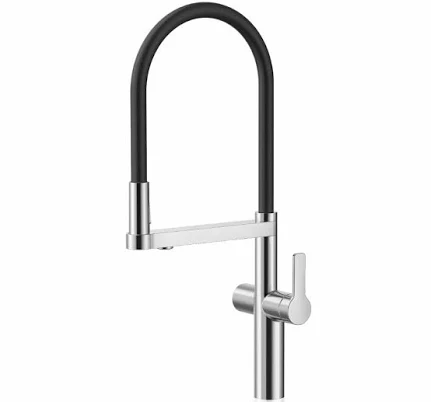
APEC 2-in-1 Pull-Down Kitchen Faucet

Aquasure
Premier Series 75 GPD Under Sink Reverse Osmosis Water Filtration System
Model-based grades, not lab tests. We flunk more than we pass. How grading works
Is Your Outdoor Gear Still Full of PFAS in 2026?
If you've bought a rain jacket, tent, or sleeping bag in the last few years, there's a good chance it was treated with PFAS, a class of synthetic chemicals often called "forever chemicals" because they barely break down in the environment or the body. A new breakdown from Better Trail digs into why these chemicals are used in outdoor gear, where they hide, and what regulators are (and aren't) doing about it. Here's what it means for hikers, campers, and anyone shopping for weatherproof gear this year.
What Did the Report Find?
Better Trail's April 2026 piece lays out the basics, PFAS (sometimes called PFCs) are used in outdoor apparel and equipment to repel water, oil, and stains. They show up in durable water repellent (DWR) coatings on jackets, tent fabrics, sleeping bag shells, and even some footwear. The report walks through the health concerns associated with PFAS exposure, current patchwork regulations across states, and how shoppers can look for lower-concern alternatives.
That aligns with what we're seeing in our own testing. PFAS Authority's own scoring of 11,067 products found that 40% fail our PFAS and toxin screen, and in some outdoor gear categories, the failure rate is total. Camping tents and tarps, rain jackets, cycling rain jackets, sleeping bags, and softshell jackets each show a 100% fail rate across every product we've scored in those categories. It's worth noting that our scores come from published ingredient lists, material disclosures, and third-party certifications, not laboratory testing, so they reflect what brands are willing to tell (or not tell) consumers, which is itself part of the problem.
Who's Affected by PFAS in Gear?
Essentially anyone who buys weatherproof or water-resistant outdoor products. That includes.
- Hikers and backpackers buying rain shells or softshell jackets
- Campers purchasing tents, tarps, or sleeping bags
- Cyclists and commuters relying on rain gear
- Parents outfitting kids for outdoor activities, since children's gear often uses the same treated fabrics
The problem isn't limited to niche brands. Some of the biggest names in outdoor and household products, including The North Face, Columbia, and Nike, are among brands that Better Trail and PFAS Authority both note disclose nothing about PFAS use in their products. Other major companies across cookware and appliances, like Cuisinart, Calphalon, T-fal, MAC, and All-Clad, show the same pattern of silence on PFAS, according to our records.
Why Does This Matter?
PFAS exposure has been associated, in scientific studies cited by agencies like the EPA and ATSDR, with a range of health concerns, including changes in cholesterol levels, immune system effects, and increased risk of certain cancers. It's important to be clear, these are associations found in population studies, not proof that any single product or exposure causes a specific illness in an individual. But the chemicals' persistence is well established. Once PFAS are released, whether through manufacturing wastewater, wearing down of a DWR coating, or disposal, they don't break down easily, and they've been found in drinking water systems across the country, according to EPA monitoring data.
For outdoor gear specifically, the concern is twofold, PFAS can shed from treated fabrics during use and washing, and workers and communities near manufacturing facilities can face higher exposure levels. Regulation is catching up unevenly. States like California, New York, and Colorado have passed laws restricting PFAS in textiles and apparel, with phase-in dates stretching into the late 2020s, but there's still no comprehensive federal ban covering outdoor gear.
What Should Shoppers Do Now?
You don't need to swear off rain jackets or tents to reduce exposure. A few practical steps.
- Look for PFAS-free labeling. Some brands now explicitly market PFAS-free DWR treatments, look for third-party verification rather than vague "eco" language.
- Check before you buy. Use a tool like our product finder to compare gear by category and see which items score lower concern based on available disclosures.
- Ask brands directly. If a company doesn't publish PFAS information, contacting customer service and asking is a simple way to push for transparency.
- Wash gear less aggressively. Frequent washing can accelerate the breakdown of coatings, potentially increasing shedding.
- Understand how scores are built. Our methodology page explains exactly how we evaluate products from public ingredient and material data, since we don't run lab tests ourselves.
Bottom Line
PFAS remain deeply embedded in outdoor gear, and full transparency from major brands is still the exception rather than the rule. Categories like tents, rain jackets, and sleeping bags currently show universal fail rates in our own scoring, meaning shoppers should assume PFAS treatment unless a brand states otherwise. Checking disclosures, favoring brands with published PFAS-free claims, and using comparison tools can help you find lower-concern options, but no gear can currently be called flatly "safe" given how little manufacturers disclose.
FAQ
Are all rain jackets treated with PFAS?
Not necessarily, but based on PFAS Authority's own scoring of 11,067 products, 100% of the 74 rain jackets we've evaluated failed our PFAS and toxin screen, which is based on published materials and disclosures rather than lab testing. That suggests PFAS treatment is still the industry default unless a brand states otherwise.
Is PFAS exposure from gear dangerous?
Health agencies have associated PFAS exposure with various health effects in population studies, but this doesn't mean wearing a treated jacket causes illness in any individual. Exposure risk depends on factors like how much PFAS sheds, how often it's used, and overall cumulative exposure from water, food, and other sources.
How can I find PFAS-free outdoor gear?
Look for brands that explicitly disclose PFAS-free treatments, check for independent certifications, and use comparison tools such as our product finder to see which items score lower concern based on currently available public information.
What else we were tracking around this
- Oct 1, 2026Can the EU's REACH Regulation Finally Stop Forever Chemicals in 2026?
- Oct 1, 2026Is Europe Finally Cracking Down on PFAS in 2026, And What Does It Mean for Your Shopping Cart?
- Sep 30, 2026Can You Stay Warm and Dry in 2026 Without Forever Chemicals?
- Sep 30, 2026Are “Forever Chemicals” in Your Makeup a Real Concern in 2026?
The latest PFAS news is updated daily.
Now check your own stuff
Search anything you own and get its PFAS grade in seconds.
Get the graded list, free
The products we score each week, and the best-graded alternative in every category.
No spam. Unsubscribe anytime.