By PFAS Authority · Updated October 6, 2026
Top grades to buy

Aisle
Super Hipster
APEC Water Systems
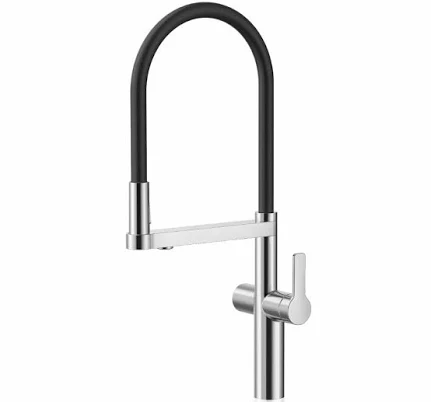
APEC 2-in-1 Pull-Down Kitchen Faucet

Aquasure
Premier Series 75 GPD Under Sink Reverse Osmosis Water Filtration System
Model-based grades, not lab tests. We flunk more than we pass. How grading works
Will New Jersey's New PFAS-in-Apparel Ban Protect You in 2026?
New Jersey lawmakers just took a major step toward getting "forever chemicals" out of your closet. On March 24, 2026, the state Senate unanimously passed a bill sponsored by Senators Linda Greenstein and Shirley Turner that would ban the intentional addition of PFAS (per- and polyfluoroalkyl substances) to most clothing and apparel sold in the state, according to ROI-NJ. If it clears the Assembly and is signed into law, New Jersey would join a small but growing list of states cracking down on these persistent synthetic chemicals in everyday clothing.
This matters because the problem is bigger than most shoppers realize. PFAS Authority's own scoring of 11,334 products found that 40% fail our PFAS and toxin screen, and the numbers are especially stark in outdoor and weather-resistant gear categories like rain jackets, cycling rain jackets, sleeping bags, softshell jackets, and camping tents and tarps all show 100% failure rates among the products we've evaluated so far. Our scores come from published ingredients, materials, certifications and disclosures rather than laboratory testing, so they reflect what brands are willing to tell consumers, or, in many cases, what they aren't.
What Did the New Jersey Senate Actually Do?
According to ROI-NJ, the Senate voted unanimously to pass the Greenstein-Turner bill, which would prohibit manufacturers from intentionally adding PFAS to most apparel products sold or distributed in New Jersey. The bill's bipartisan, unanimous passage signals strong legislative consensus that these chemicals don't belong in clothing, a sentiment that has been building across state legislatures as more science links PFAS exposure to a range of health concerns.
The bill still needs to pass the Assembly and be signed by the governor before it becomes law, so this is a significant milestone rather than a finish line. But unanimous Senate passage is a strong signal of where the legislation is headed.
Why Are PFAS Even in Clothing in the First Place?
Manufacturers have long used PFAS chemicals to make fabrics water-resistant, stain-resistant, and durable. That's why you'll find them concentrated in categories designed to repel moisture, rain jackets, softshell jackets, sleeping bags, and tents. It's a useful performance trait, but it comes at a cost. PFAS are nicknamed "forever chemicals" because they don't break down in the environment, and research has associated exposure to certain PFAS compounds with potential health concerns, including effects on the immune system, cholesterol levels, and other outcomes, according to the U.S. Environmental Protection Agency and other public health researchers. These are associations observed in scientific studies, not proof that any individual product or exposure causes a specific health outcome.
Who and What Would Be Affected?
If enacted, the law would apply broadly to apparel sold in New Jersey, meaning clothing manufacturers and retailers doing business in the state would need to reformulate products or stop selling PFAS-treated garments there. Consumers would benefit directly, shoppers buying everyday clothing in New Jersey would have one less category to worry about, at least for the specific items the law covers.
However, the bill as summarized focuses on "most apparel", meaning there could be exemptions or narrower categories carved out, which is typical of similar state laws elsewhere (some exclude specialized gear like firefighter turnout gear or certain technical outdoor equipment). Consumers should watch for the final bill language once it clears the Assembly to understand exactly what's covered.
Why Does This Matter Even If You Don't Live in New Jersey?
State-level bans like this one tend to have a ripple effect. When a state with New Jersey's market size changes its rules, national brands often reformulate products across their entire line rather than maintaining separate PFAS-treated and PFAS-free versions for different states. California, New York, and other states have passed similar apparel-focused PFAS restrictions in recent years, and each new law adds pressure on manufacturers to move away from these chemicals industry-wide.
That said, legislative change is slow, and enforcement and compliance timelines can stretch out for years. In the meantime, the burden of avoiding PFAS in clothing still largely falls on individual shoppers.
What Should You Do Right Now?
While the bill works its way through the Assembly, here's how to protect yourself and your family today.
- Be skeptical of "water-resistant" and "stain-resistant" labels. These terms are often a signal that a durable water repellent (DWR) treatment, potentially PFAS-based, has been applied.
- Look for explicit "PFAS-free" claims on rain gear, tents, sleeping bags, and other weatherproof products, and check whether the brand backs that claim with certifications.
- Be aware that some major brands disclose little or nothing about PFAS use in their products. Companies including Cuisinart, The North Face, MAC, Calphalon, T-fal, Nike, Columbia, and All-Clad currently provide limited public disclosure, based on PFAS Authority's research, making it harder for consumers to know what they're buying.
- Check before you buy. You can search specific products and brands using PFAS Authority's product finder to see how items score before adding them to your cart.
- Understand how scoring works. Our methodology page explains exactly how we evaluate ingredients, materials, certifications, and disclosures to arrive at a PFAS and toxin score.
Bottom Line
New Jersey's unanimous Senate vote to ban intentionally added PFAS in apparel is a meaningful step toward cleaner clothing, but it's not law yet, and even once passed, it won't retroactively fix products already on store shelves or in your closet. Given that 40% of products PFAS Authority has scored fail our PFAS and toxin screen, with entire categories like rain jackets and tents failing at 100%, consumers should treat label claims with healthy skepticism and use available tools to check products before purchasing, rather than waiting for legislation to catch up.
Frequently Asked Questions
Is this bill already law in New Jersey?
Not yet. As of March 24, 2026, it has passed the state Senate unanimously, according to ROI-NJ, but still needs Assembly approval and the governor's signature before taking effect.
Does this mean all my current clothing has PFAS?
No. Not all apparel contains intentionally added PFAS. Risk is concentrated in water-resistant and stain-resistant categories like rain jackets, softshells, tents, and sleeping bags, where PFAS Authority's scoring has found consistently high failure rates.
How can I check if a specific product contains PFAS?
Check manufacturer disclosures, look for third-party PFAS-free certifications, and use resources like PFAS Authority's finder tool, which scores products based on published ingredients, materials, and disclosures.
What else we were tracking around this
- Oct 6, 2026Are State PFAS Bans Actually Cleaning Up Your Clothes in 2026?
- Oct 6, 2026Are PFAS Bans Working to Cut 'Forever Chemicals' in Your Clothes in 2026?
The latest PFAS news is updated daily.
Now check your own stuff
Search anything you own and get its PFAS grade in seconds.
Get the graded list, free
The products we score each week, and the best-graded alternative in every category.
No spam. Unsubscribe anytime.