By PFAS Authority · Updated October 6, 2026
Top grades to buy

Aisle
Super Hipster
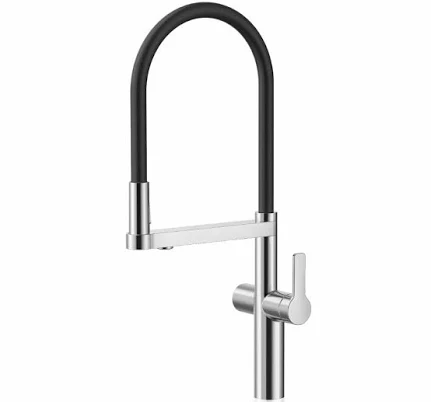
APEC Water Systems
APEC 2-in-1 Pull-Down Kitchen Faucet

Aquasure
Premier Series 75 GPD Under Sink Reverse Osmosis Water Filtration System
Model-based grades, not lab tests. We flunk more than we pass. How grading works
Are State PFAS Bans Actually Cleaning Up Your Clothes in 2026?
A new report making the rounds this week says yes, at least partly. According to NationofChange, state-level legislation targeting "forever chemicals" in textiles is driving measurable declines in PFAS levels found in apparel sold across the U.S. But before you assume your closet is in the clear, there's a catch worth understanding.
PFAS Authority's own scoring of 11,334 products shows that 40% still fail our PFAS and toxin screen, meaning the clothing and gear on store shelves right now is a mixed bag, even as state laws push manufacturers in a better direction. We want to walk you through what the new report means, who's affected, and what you can actually do about it today.
What Did the Report Find?
Per NationofChange's June 17, 2026 report, states that have passed outright bans or strict disclosure requirements on PFAS in textiles are seeing real results, apparel sold in those states shows significantly lower PFAS content than in years past. The report credits legislative pressure, not voluntary industry action, as the primary driver of the shift.
This tracks with a pattern consumer advocates have pointed to for years, when regulators set hard deadlines and penalties, manufacturers reformulate faster than when they're simply asked nicely. States like California, New York, and Washington have led on textile-specific PFAS restrictions, and apparel brands selling nationally often adjust their entire supply chain rather than make state-specific products.
Who and What Is Affected?
The textiles most likely to contain PFAS are the ones marketed for water resistance, stain resistance, or weatherproofing, think rain jackets, tents, sleeping bags, and other "performance" gear where chemical coatings have long been the industry's default solution.
That's exactly where PFAS Authority's own scoring of 11,334 products shows the worst problems persist. Our data finds.
- Camping Tents & Tarps, 100% failing, out of 316 scored
- Rain Jackets, 100% failing, out of 74 scored
- Cycling Rain Jackets, 100% failing, out of 72 scored
- Sleeping Bags, 100% failing, out of 15 scored
- Softshell Jackets, 100% failing, out of 15 scored
It's important to understand how we arrive at these numbers, PFAS Authority scores products using published ingredient lists, material disclosures, and third-party certifications, not laboratory testing of physical samples. That means a 100% failure rate in a category reflects what brands have disclosed (or failed to disclose) about their materials, not a chemical assay of every jacket on a rack. Full detail on our process is available on our methodology page.
We also track brands that disclose essentially nothing about PFAS use in their products, leaving consumers to guess. Based on our data, that list includes Cuisinart, The North Face, MAC, Calphalon, T-fal, Nike, Columbia, and All-Clad. The presence of a brand on this list doesn't confirm their products contain PFAS, it means we can't verify one way or the other because the companies haven't provided the disclosures we look for.
Why Does This Matter for Your Health?
PFAS, short for per- and polyfluoroalkyl substances, are called "forever chemicals" because they resist breakdown in the environment and accumulate in the human body over time. Scientific studies have found associations between PFAS exposure and a range of health concerns, including effects on cholesterol levels, immune response, and certain cancers, according to research compiled by agencies like the EPA and the Agency for Toxic Substances and Disease Registry (ATSDR). These are associations identified in population studies, not proof that any single product or exposure causes a specific health outcome in an individual.
Textiles are one of several everyday exposure pathways, alongside items like food packaging and nonstick cookware. Durable water-repellent (DWR) coatings, the chemical treatments that make rain gear shed water, have historically relied heavily on PFAS compounds, which is why outdoor and performance apparel categories show up so poorly in disclosure-based screening.
What Should You Do About It?
The encouraging news from the NationofChange report is that legislative pressure works, PFAS levels are trending downward in states with bans. But "trending downward" isn't the same as "gone," and our data shows entire product categories still carry significant disclosure gaps.
Practical steps consumers can take.
- Check whether your state has passed textile PFAS restrictions, since products sold there may be held to stricter standards.
- Look for specific certifications (like PFAS-free labels) rather than vague marketing terms like "eco-friendly" or "green."
- Be especially cautious with rain jackets, tents, sleeping bags, and softshell jackets, categories where our screening found zero products passing.
- Use a tool like our product finder to compare specific items before buying, rather than relying on brand reputation alone.
- When a brand discloses nothing, treat that as missing information, not a clean bill of health.
Bottom Line
State laws banning or restricting PFAS in textiles appear to be having a real, measurable effect, according to the NationofChange report, a genuine win for consumer advocates who've pushed for this regulation for years. But PFAS Authority's own screening of over 11,000 products shows the job is far from finished, with entire categories like rain jackets and tents still scoring 100% failing based on available disclosures. Progress is happening at the policy level; it just hasn't fully reached your closet yet. Products that pass our screen earn a "lower concern" rating, not a guarantee of safety, so checking before you buy remains the most reliable way to reduce your exposure.
Frequently Asked Questions
Does a state PFAS ban mean products sold there are PFAS-free?
Not necessarily. Bans typically phase in over time and may include exemptions. They reduce the likelihood of PFAS but don't guarantee every product is free of these chemicals.
Why do rain jackets and tents score so poorly in PFAS Authority's data?
These categories have traditionally relied on PFAS-based durable water-repellent coatings for weatherproofing, and many brands in these categories have not published the kind of material disclosures our screening process requires to score lower concern.
Does PFAS Authority test products in a lab?
No. We score products using publicly available ingredient lists, material disclosures, and certifications, as explained on our methodology page. We do not conduct physical laboratory testing of product samples.
What else we were tracking around this
- Oct 6, 2026Will New Jersey's New PFAS-in-Apparel Ban Protect You in 2026?
- Oct 6, 2026Are PFAS Bans Working to Cut 'Forever Chemicals' in Your Clothes in 2026?
- Oct 5, 2026Will New EU Packaging Rules in 2026 Finally Curb PFAS in What You Buy?
The latest PFAS news is updated daily.
Now check your own stuff
Search anything you own and get its PFAS grade in seconds.
Get the graded list, free
The products we score each week, and the best-graded alternative in every category.
No spam. Unsubscribe anytime.