By PFAS Authority · Updated October 5, 2026
Top grades to buy

Aisle
Super Hipster
APEC Water Systems
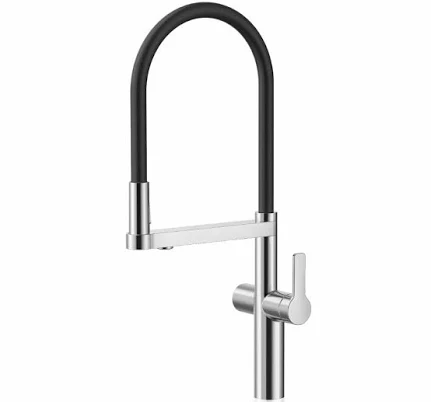
APEC 2-in-1 Pull-Down Kitchen Faucet

Aquasure
Premier Series 75 GPD Under Sink Reverse Osmosis Water Filtration System
Model-based grades, not lab tests. We flunk more than we pass. How grading works
Will New EU Packaging Rules in 2026 Finally Curb PFAS in What You Buy?
Starting August 12, the European Union's Packaging and Packaging Waste Regulation (PPWR) is now in force across all member states, according to the European Commission's environment directorate. The rule creates a single, harmonised set of standards for how packaging is designed, labeled, and disposed of throughout the EU, and it has implications for anyone who buys products wrapped, boxed, or sealed in materials that may contain PFAS, the "forever chemicals" linked to a range of health concerns.
While the EU regulation focuses broadly on packaging waste and recyclability, it arrives at a moment when PFAS contamination in consumer packaging, think grease-resistant food wrappers, waterproof shipping materials, and coated paper products, is drawing intense scrutiny. PFAS Authority's own scoring of 11,260 products found that 40% fail our PFAS and toxin screen, underscoring just how widespread these chemicals remain in everyday goods, packaging included.
What Exactly Changed?
According to the European Commission, the PPWR establishes an EU-wide framework intended to reduce packaging waste, boost recyclability, and restrict certain substances of concern in packaging materials. The regulation replaces a patchwork of national rules with one harmonised standard, meaning manufacturers selling into the EU market must now meet consistent requirements no matter which member state they're shipping to.
The Commission's announcement does not single out PFAS by name in this particular update, but the regulation sits within a broader EU regulatory push against persistent chemicals in consumer materials, a push that has already produced proposals to restrict PFAS use across multiple product categories, including packaging, textiles, and cookware.
Who Does This Affect?
The PPWR applies to any company manufacturing, importing, or distributing packaged goods within the EU, from food producers to apparel brands to cosmetics companies. For everyday shoppers, the practical effect is indirect but real, packaging that touches your food, your skin-care products, or your outdoor gear is now subject to tighter design and material standards across the entire European market.
For consumers outside the EU, including in the US, the ripple effects matter too. Many global brands manufacture to the strictest market's standard rather than maintain separate production lines, so EU packaging rules can influence what shows up on shelves elsewhere.
Why Does This Matter for PFAS Specifically?
PFAS chemicals have been used for decades in packaging to repel grease, water, and oil, think fast-food wrappers, bakery bags, and some shipping or outdoor-gear packaging. Scientific research has associated exposure to certain PFAS compounds with a range of health concerns, including effects on the immune system, cholesterol levels, and hormone function, though researchers continue to study the full scope of these associations rather than treating them as settled, proven causation.
The EU's broader regulatory direction, including the PPWR and parallel restriction proposals, reflects growing pressure to phase these chemicals out of packaging and consumer materials altogether. But regulation moves category by category, and gaps remain. Our own screening results illustrate just how uneven PFAS disclosure and avoidance still is across product types. We found 100% failure rates in several outdoor and apparel categories scored so far, camping tents and tarps (316 products scored), rain jackets (74 products), cycling rain jackets (72 products), sleeping bags (15 products), and softshell jackets (15 products). These are categories where water-resistant coatings have historically relied heavily on PFAS chemistry.
It's also worth noting which companies disclose little or nothing about PFAS use in their products at all. Among brands we've reviewed, Cuisinart, The North Face, MAC, Calphalon, T-fal, Nike, Columbia, and Estée Lauder currently provide no public PFAS disclosure, making it harder for consumers to make informed choices absent regulations that force transparency.
What Should You Actually Do?
You can't control EU rulemaking timelines, but you can make more informed choices in the meantime.
- Check before you buy. Use a tool like our product finder to see how specific items score on PFAS and toxin disclosure before adding them to your cart.
- Favor brands that disclose. Companies that publish ingredient and material information make it possible to verify claims; those that don't leave you guessing.
- Be especially cautious with outdoor gear. Given the 100% failure rates we found in tents, rain jackets, and sleeping bags, these categories deserve extra scrutiny until manufacturers shift away from PFAS-based waterproofing.
- Understand how scoring works. Our assessments are based on published ingredients, materials, certifications, and company disclosures, not laboratory testing of individual product samples. You can read more about our approach on our methodology page.
Bottom Line
The EU's new packaging regulation is a meaningful step toward harmonised standards that could eventually squeeze PFAS out of more consumer packaging, but it's not a blanket guarantee that products are PFAS-free. Until disclosure becomes mandatory and universal, informed shoppers still need to do their own homework, particularly in categories like outdoor apparel and gear, where our data shows PFAS use remains the norm rather than the exception. No product should be assumed "safe" outright; the goal is identifying options of comparatively lower concern based on what's actually disclosed.
Frequently Asked Questions
Does the EU's new packaging regulation ban PFAS outright?
Not specifically in this update. According to the European Commission, the PPWR creates a harmonised framework for packaging design and waste reduction; PFAS-specific restrictions are being pursued through separate, parallel EU regulatory processes.
Will this affect products sold in the US?
Possibly indirectly. Global brands often standardize manufacturing to meet the strictest applicable market rules, so EU packaging standards can influence product formulations sold elsewhere, though this isn't guaranteed or immediate.
How can I tell if a product I own contains PFAS?
Manufacturer disclosure is inconsistent. You can check our product finder, which draws on published ingredients, certifications, and company disclosures rather than lab testing, to see how specific items and brands score.
What else we were tracking around this
- Oct 6, 2026Are State PFAS Bans Actually Cleaning Up Your Clothes in 2026?
- Oct 6, 2026Are PFAS Bans Working to Cut 'Forever Chemicals' in Your Clothes in 2026?
- Oct 5, 2026Could 2024 Be the Year Congress Finally Bans PFAS in Food Packaging?
- Oct 5, 2026Prostate Cancer and Military Service in 2026, What's the PFAS Connection?
The latest PFAS news is updated daily.
Now check your own stuff
Search anything you own and get its PFAS grade in seconds.
Get the graded list, free
The products we score each week, and the best-graded alternative in every category.
No spam. Unsubscribe anytime.