By PFAS Authority · Updated October 4, 2026
Top grades to buy

Aisle
Super Hipster
APEC Water Systems
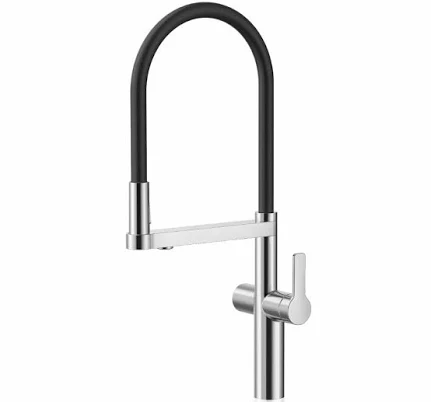
APEC 2-in-1 Pull-Down Kitchen Faucet

Aquasure
Premier Series 75 GPD Under Sink Reverse Osmosis Water Filtration System
Model-based grades, not lab tests. We flunk more than we pass. How grading works
How Can You Protect Your Water from PFAS in 2026, Why Treatment System Design Matters
A new analysis published in Nature is reframing how experts think about "forever chemicals" in tap water. Instead of treating PFAS contamination as a single problem with a single fix, researchers argue that the architecture of a water system, how treatment is designed, layered, and maintained, determines whether PFAS mitigation actually works. The piece compares contrasting treatment setups and finds that design choices, not just technology, decide whether PFAS levels stay low over time.
While this debate plays out in water utilities, it's worth noting that PFAS exposure isn't limited to drinking water. PFAS Authority's own scoring of 11,218 products found that 41% fail its PFAS and toxin screen, based on published ingredients, materials, certifications, and disclosures rather than laboratory testing. That means the chemicals utilities are struggling to filter out of water are also showing up, often undisclosed, in everyday consumer goods.
What Did the New Research Actually Say?
According to the Nature summary, PFAS create several overlapping challenges for drinking-water systems, the chemicals are chemically stable, present at very low but still health-relevant concentrations, and difficult to remove with conventional treatment. The researchers point out that there's ongoing debate among engineers and regulators about which treatment "architecture", for example, granular activated carbon versus ion exchange versus reverse osmosis, and how these are sequenced, best achieves consistent, long-term removal.
The key takeaway isn't that one technology is universally best. It's that system design, redundancy, monitoring, and how components interact, determines whether PFAS removal holds up under real-world conditions like fluctuating contamination levels, seasonal demand, and aging infrastructure.
Who Is Affected by This?
Essentially every household served by a public water system is touched by these design decisions, though the practical impact varies widely. Utilities serving communities near industrial sites, military bases, or airports, common sources of historical PFAS contamination, face the most pressure to get treatment architecture right. Smaller or rural systems, which often have fewer resources to install and maintain advanced multi-stage treatment, may be more exposed to the gaps the researchers describe.
Consumers who rely on private wells are affected differently, they fall outside municipal treatment decisions entirely and bear responsibility for their own testing and filtration.
Why Does This Matter for Your Health and Your Wallet?
PFAS exposure has been associated in scientific studies with a range of health concerns, including effects on cholesterol levels, immune response, and certain hormone-related outcomes, according to research cited by agencies such as the U.S. EPA and ATSDR. These are associations observed in population studies, not proof that any individual's exposure caused a specific health outcome, but they're consistent enough that regulators have moved to set enforceable drinking-water limits for some PFAS compounds.
The design question matters financially too. Utilities that choose treatment architectures without adequate redundancy may see PFAS levels spike unexpectedly, triggering costly emergency upgrades or public notification requirements. Those costs tend to flow back to ratepayers. For consumers, this underscores why "my water passed a test last year" isn't necessarily reassurance, system design, not a single snapshot test, determines long-term reliability.
What Should You Do About It Right Now?
You can't redesign your municipal treatment plant, but you have meaningful options.
- Check your water quality report. Utilities are generally required to publish annual water quality data; look specifically for PFAS results and any treatment changes.
- Consider home filtration with PFAS-rated certification. Look for filters independently tested and certified to reduce PFAS, such as those meeting NSF/ANSI 53 or 58 standards for PFAS reduction.
- Test private well water directly if you're not on a municipal system, since no treatment architecture debate applies to you, the responsibility sits with you.
- Reduce other sources of PFAS exposure in your home, since water is only one pathway. PFAS Authority's product finder can help you check cookware, outdoor gear, and personal care items for disclosed PFAS content before you buy.
It's also worth knowing which product categories tend to run hot. PFAS Authority's scoring has found outdoor gear to be especially problematic, 100% of scored camping tents and tarps, rain jackets, cycling rain jackets, sleeping bags, and softshell jackets failed its PFAS and toxin screen. Several major brands, including Cuisinart, The North Face, MAC, Calphalon, T-fal, Nike, Columbia, and Estée Lauder, currently disclose nothing about PFAS in their products, which makes independent scoring, like the kind described in our methodology, one of the few tools consumers have to compare options.
Bottom Line
PFAS removal from drinking water isn't just a matter of picking the "right" filter technology, it's a system-design problem, and poorly designed architectures can leave communities with a false sense of security. At the same time, water is only part of your PFAS exposure picture. Checking your utility's water quality report, filtering with certified technology where needed, and scrutinizing product disclosures in gear and household goods are all practical, evidence-based steps, not guarantees of zero exposure, but ways to meaningfully lower your overall concern.
Frequently Asked Questions
Does this study mean my tap water is unsafe?
Not necessarily. The Nature piece is about system design and long-term reliability, not a specific contamination event. Checking your local water quality report is the most direct way to know your situation.
Can a home water filter fully remove PFAS?
Filters certified under standards like NSF/ANSI 53 or 58 can substantially reduce many PFAS compounds, but no filter eliminates all forms of PFAS with certainty. Performance depends on the filter type, maintenance, and water chemistry.
How does PFAS in products relate to PFAS in water?
They're connected exposure pathways. PFAS used in manufacturing, including in textiles, nonstick coatings, and cosmetics, can enter waterways and eventually drinking-water supplies. Reviewing product disclosures via resources like PFAS Authority's finder is one way to reduce your overall exposure footprint, separate from water treatment decisions made by utilities.
What else we were tracking around this
- Oct 5, 2026Prostate Cancer and Military Service in 2026, What's the PFAS Connection?
- Oct 4, 2026How Can You Get PFAS Out of Your Drinking Water in 2025?
- Oct 4, 2026Is Your Tap Water’s PFAS Protection at Risk in 2025?
- Oct 3, 2026Driscoll’s Strawberry PFAS Lawsuits, What Shoppers Need to Know in 2026
The latest PFAS news is updated daily.
Now check your own stuff
Search anything you own and get its PFAS grade in seconds.
Get the graded list, free
The products we score each week, and the best-graded alternative in every category.
No spam. Unsubscribe anytime.