By PFAS Authority · Updated October 4, 2026
Top grades to buy

Aisle
Super Hipster
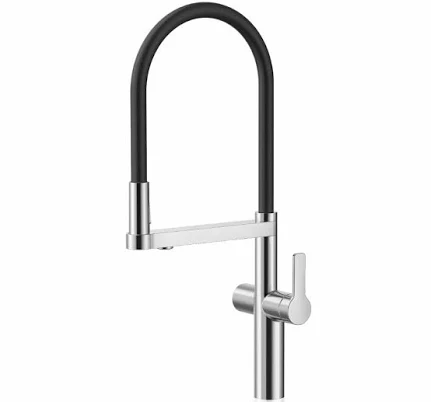
APEC Water Systems
APEC 2-in-1 Pull-Down Kitchen Faucet

Aquasure
Premier Series 75 GPD Under Sink Reverse Osmosis Water Filtration System
Model-based grades, not lab tests. We flunk more than we pass. How grading works
Is Your Tap Water’s PFAS Protection at Risk in 2025?
A federal court case could decide whether the Environmental Protection Agency’s first-ever national limits on “forever chemicals” in drinking water survive, or get rolled back. Here’s what’s happening, who it affects, and what you can do right now while the legal fight plays out.
What happened?
According to the Natural Resources Defense Council (NRDC), a coalition of water utilities, led by the American Water Works Association, has sued the EPA over its 2024 rule setting enforceable limits on several PFAS chemicals in public drinking water systems. NRDC and allied environmental groups have intervened in the case American Water Works Association et al. v. EPA, to defend the rule and keep the protections in place. NRDC says it is fighting to ensure the limits are not weakened or struck down, arguing they are necessary to get toxic PFAS out of the water Americans drink every day.
The EPA’s rule, finalized in 2024, set the first legally enforceable national drinking water standards for PFAS, requiring water utilities to test for and reduce several PFAS compounds, including PFOA and PFOS. Utility groups challenging the rule argue the compliance costs are too high and the timeline too short; NRDC and other public health advocates counter that delay means continued exposure for millions of people.
Who is affected?
Essentially anyone served by a U.S. public water system has a stake in this case. If the rule is upheld, water utilities nationwide must continue working toward PFAS limits set by EPA. If it is weakened or vacated, the timeline, scope, or enforceability of those limits could change, potentially leaving some systems with less obligation to reduce PFAS levels in the near term.
It's not just drinking water. PFAS are also common in everyday products, cookware, outdoor gear, cosmetics, because of their grease-, water-, and stain-resistant properties. PFAS Authority's own scoring of 11,218 products found that 41% fail its PFAS and toxin screen, a reminder that drinking water is only one of several everyday exposure routes. We score products from publicly available ingredient lists, material specifications, certifications, and manufacturer disclosures, not laboratory testing, so a “fail” means the published information raised red flags, not that a lab confirmed PFAS content.
Why does this matter for your health?
PFAS, often called “forever chemicals” because they resist breaking down in the environment and the body, have been associated in scientific studies with a range of health concerns, including effects on the immune system, cholesterol levels, liver function, and certain cancers, according to EPA research cited in the rule. These are associations observed in population studies, not proof that PFAS caused any individual health outcome, but the weight of evidence is why EPA set enforceable limits in the first place.
Because PFAS accumulate in the body over time and come from multiple sources, water, food packaging, textiles, cookware, reducing exposure wherever possible is a reasonable precaution even while science continues to refine the risk picture.
Which product categories carry higher PFAS risk?
Outdoor and water-resistant gear stand out in PFAS Authority's scoring. Categories with the highest failure rates include.
- Camping tents & tarps, 100% failing of 316 products scored
- Rain jackets, 100% failing of 74 products scored
- Cycling rain jackets, 100% failing of 72 products scored
- Sleeping bags, 100% failing of 15 products scored
- Softshell jackets, 100% failing of 15 products scored
PFAS Authority's records also show that several major brands, including Cuisinart, The North Face, MAC, Calphalon, T-fal, Nike, Columbia, and Estée Lauder, disclose nothing publicly about PFAS use in their products, making it difficult for shoppers to assess risk from labeling alone.
What should you do while this plays out?
You don’t need to wait for the lawsuit to resolve to take reasonable steps.
- Check your water utility’s reporting. Many utilities now disclose PFAS test results in annual water quality reports, especially as they prepare to comply with EPA’s rule.
- Consider water filtration. Certain filters, such as those certified to reduce PFAS, can lower levels in tap water, though effectiveness varies by product and PFAS compound.
- Review product purchases. For gear and cookware where PFAS disclosure is often absent, use a tool like PFAS Authority’s product finder to compare options before buying.
- Understand the scoring method. See PFAS Authority’s methodology for how products are evaluated from published ingredients, materials, and certifications.
- Follow the case. NRDC’s case tracker is a useful source for updates on whether the EPA’s limits are upheld, modified, or vacated.
Bottom Line
The EPA’s PFAS drinking water rule is under direct legal challenge, and its fate will shape how quickly, or whether, forever chemicals are reduced in tap water nationwide. While the case proceeds, PFAS exposure also comes through everyday products, PFAS Authority’s own scoring found 41% of 11,218 products reviewed fail its PFAS and toxin screen, with outdoor gear categories like tents, rain jackets, and sleeping bags showing especially high failure rates. No product should be called flatly “safe” from PFAS; the realistic goal is lower concern through informed choices, better disclosure, and continued regulatory protections.
FAQ
Does this lawsuit mean PFAS limits on tap water are gone?
No. According to NRDC, the EPA’s rule remains in effect while the case is litigated, and NRDC is intervening specifically to defend the limits rather than see them weakened or vacated.
How can I find out if my tap water has been tested for PFAS?
Check your local water utility’s annual consumer confidence report, which many utilities are expanding to include PFAS results as they prepare for compliance with EPA’s rule.
Are all water-resistant products high in PFAS?
Not necessarily, but PFAS Authority’s scoring shows very high failure rates in specific categories like tents, rain jackets, and sleeping bags. Checking a product’s disclosed materials via a resource like the finder can help identify lower-concern options.
What else we were tracking around this
- Oct 4, 2026How Can You Get PFAS Out of Your Drinking Water in 2025?
- Oct 4, 2026How Can You Protect Your Water from PFAS in 2026, Why Treatment System Design Matters
- Oct 3, 2026Driscoll’s Strawberry PFAS Lawsuits, What Shoppers Need to Know in 2026
- Oct 3, 2026Should You Worry About PFAS in Synthetic Turf at Your Local Park in 2024?
The latest PFAS news is updated daily.
Now check your own stuff
Search anything you own and get its PFAS grade in seconds.
Get the graded list, free
The products we score each week, and the best-graded alternative in every category.
No spam. Unsubscribe anytime.