By PFAS Authority · Updated September 21, 2026
Top grades to buy

Aisle
Super Hipster
APEC Water Systems
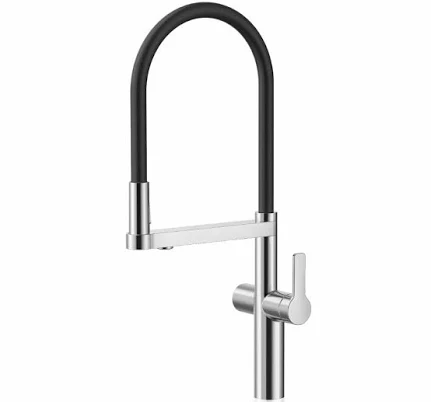
APEC 2-in-1 Pull-Down Kitchen Faucet

Aquasure
Premier Series 75 GPD Under Sink Reverse Osmosis Water Filtration System
Model-based grades, not lab tests. We flunk more than we pass. How grading works
Are Baby Wipes Safe from PFAS in 2026? What Consumer Reports' Testing Found
New testing from Consumer Reports brings some rare good news for parents worried about "forever chemicals" showing up in everyday baby products. In a report published June 11, 2026, the nonprofit tested 18 brands of baby wipes and found no detectable PFAS contamination in any of them.
What did Consumer Reports actually test?
According to Consumer Reports, its lab screened 18 popular baby wipe brands for per- and polyfluoroalkyl substances (PFAS), the large family of synthetic chemicals often called "forever chemicals" because they resist breaking down in the environment and can persist in the human body. The publication reported that none of the wipes tested showed detectable levels of PFAS.
This matters because baby wipes are used directly on an infant's skin, often multiple times a day, over sensitive areas. Any chemical contamination in a product used this frequently and this intimately raises more concern than, say, a chemical in a product touched only occasionally.
Why does PFAS in baby products matter?
PFAS chemicals have been associated in scientific studies with a range of health concerns, including effects on the immune system, thyroid function, and cholesterol levels, according to research summarized by the U.S. Environmental Protection Agency and other health agencies. These are associations observed in population studies, not proven cause-and-effect relationships in every individual, but the weight of evidence has pushed regulators and manufacturers to scrutinize where PFAS shows up in consumer goods, from cookware to outdoor gear to, now, baby care items.
Wipes have historically raised eyebrows for PFAS risk because manufacturers sometimes use fluorinated compounds to make fabrics or packaging water-resistant or stain-resistant. So finding zero detectable PFAS across 18 major brands, as Consumer Reports reports, is a meaningfully positive signal for parents who've been anxious about this specific product category.
How does this compare to other product categories?
Baby wipes' clean results stand out especially when compared with other consumer categories. PFAS Authority's own scoring of 11,090 products found that 41% failed our PFAS and toxin screen overall. Some categories fared far worse than baby wipes, our data shows 100% of scored camping tents and tarps, rain jackets, cycling rain jackets, sleeping bags, and softshell jackets failed our screen, categories where water-resistant treatments are common and often rely on fluorinated chemistry.
It's worth noting an important difference in methodology. PFAS Authority's scores are based on published ingredients, materials, certifications, and manufacturer disclosures, not laboratory testing. Consumer Reports, by contrast, physically tested wipe samples in a lab for detectable PFAS. Both approaches are useful, but they answer slightly different questions, ours flags where risk is likely based on what companies disclose (or fail to disclose), while lab testing confirms what's actually present in a specific sample. You can read more about how our screening approach works on our methodology page.
Who is affected by this news?
This is most relevant to parents, caregivers, and anyone purchasing baby wipes for infants or toddlers. It's also relevant to expecting parents building a baby registry, daycare providers who buy wipes in bulk, and anyone who has been avoiding certain wipe brands over PFAS concerns. Consumer Reports did not name specific failing or passing brands in the portion of its findings summarized here, so shoppers should consult the full report for brand-by-brand details.
What should parents do now?
Even with encouraging results like these, PFAS Authority recommends a few practical steps.
- Check the full Consumer Reports findings for brand-specific details before assuming every wipe on the shelf was included in the test.
- Look beyond wipes. If you're managing overall PFAS exposure for your family, remember that wipes are just one product category. Cookware, rain gear, furniture, and food packaging are common sources worth reviewing too.
- Use a broader screening tool. You can look up specific brands and products using our product finder to see how they score on PFAS and toxin disclosures across categories, not just wipes.
- Watch for vague marketing claims. Terms like "natural" or "gentle" on packaging aren't regulated definitions and don't guarantee anything about PFAS content.
- Stay informed on brand transparency. Some major companies across various product categories disclose little to nothing about PFAS use in their products, which makes independent testing and scoring more important for consumers trying to make informed choices.
Bottom Line
Consumer Reports' testing of 18 baby wipe brands found no detectable PFAS, offering a reassuring data point for parents in a product category that has drawn scrutiny before. This is a lower-concern finding, not a guarantee, testing covered a limited sample of brands using lab methods, and the broader consumer landscape still shows significant PFAS-related risk, with PFAS Authority's own scoring finding 41% of over 11,000 products failing our PFAS and toxin screen, and entire categories like rain jackets and tents failing at 100%. Parents can feel modestly better about wipes specifically while remaining attentive to other product categories where PFAS use remains common.
Frequently Asked Questions
Does "no detected PFAS" mean baby wipes are completely free of forever chemicals?
Not necessarily. "No detected" means levels were below what Consumer Reports' lab equipment could measure, according to the report. Extremely trace amounts below detection limits can't be fully ruled out, but the finding is a strong lower-concern signal for the 18 brands tested.
Should I stop worrying about PFAS in baby products altogether?
No. This finding applies specifically to the wipes tested by Consumer Reports. Other baby product categories, like waterproof mattress pads, rain gear, or certain textiles, have not necessarily been tested and may carry different levels of risk. Checking a resource like our product finder for specific items is a reasonable next step.
Why do some products, like rain jackets, fail PFAS screens so consistently?
Water-resistant and stain-resistant treatments have historically relied heavily on fluorinated chemistry, which is why categories like tents, sleeping bags, and rain jackets show high failure rates in PFAS Authority's own scoring. Wipes generally don't require the same water-repellent treatments, which may help explain the cleaner results.
What else we were tracking around this
- Sep 22, 2026How Can You Lower Your PFAS Exposure in 2026?
- Sep 22, 2026Is Your Drinking Water Safe from PFAS in 2026? What EPA's New Proposals Mean for You
- Sep 21, 2026Is PFAS in Pet Food Putting Your Dog or Cat at Risk?
- Sep 21, 2026Are Driscoll's Strawberries Safe? What the New PFAS Lawsuit Means for Shoppers
The latest PFAS news is updated daily.
Now check your own stuff
Search anything you own and get its PFAS grade in seconds.
Get the graded list, free
The products we score each week, and the best-graded alternative in every category.
No spam. Unsubscribe anytime.