By PFAS Authority · Updated September 22, 2026
Top grades to buy

Aisle
Super Hipster
APEC Water Systems
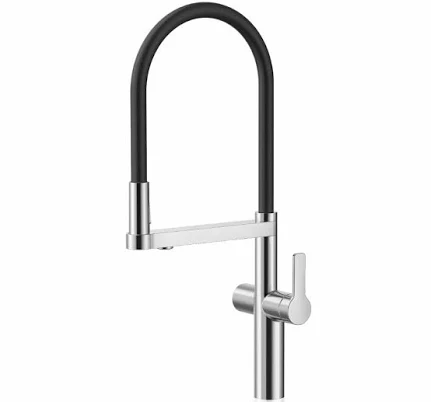
APEC 2-in-1 Pull-Down Kitchen Faucet

Aquasure
Premier Series 75 GPD Under Sink Reverse Osmosis Water Filtration System
Model-based grades, not lab tests. We flunk more than we pass. How grading works
Is Your Drinking Water Safe from PFAS in 2026? What EPA's New Proposals Mean for You
On May 18, 2026, the U.S. Environmental Protection Agency proposed two new rules that would reshape how "forever chemicals" are regulated in tap water, according to a timeline maintained by Harvard Law School's Environmental and Energy Law Program. One proposal would roll back Biden-era limits on several PFAS compounds, including PFHxS and PFNA, raising fresh questions for millions of households about what's actually being kept out of their glass of water.
While drinking water rules get sorted out in Washington, it's worth remembering that water isn't the only route PFAS take into your life. PFAS Authority's own scoring of 11,156 consumer products found that 41% fail its PFAS and toxin screen, and that screen is based on published ingredients, materials, certifications, and manufacturer disclosures, not laboratory testing. You can check specific items with our product finder and see how we evaluate them in our methodology.
What Did EPA Actually Propose?
According to the Harvard Law tracker, EPA's May 2026 action includes two related rules. The first would rescind the drinking water limits set during the Biden administration for PFHxS, PFNA, and related PFAS compounds. The second rule appears to address how remaining PFAS standards would be enforced or phased in going forward. As of the tracker's most recent update, the proposals were still working through the federal rulemaking process, meaning nothing has taken final effect yet.
This matters because the Biden-era rule, finalized in 2024, was the first-ever enforceable federal limit on several PFAS chemicals in tap water. Rescinding or narrowing it would change which chemicals utilities are legally required to monitor and remove.
Who and What Is Affected?
Every household served by a public water utility in the United States has a stake in how this plays out. Utilities that were preparing to test for and treat PFHxS and PFNA under the 2024 rule may see those specific obligations paused, delayed, or eliminated if the rollback proceeds. That could shift costs and testing schedules for water systems nationwide, and it could change what shows up, or doesn't show up, on your local water quality report.
Private well owners are not directly covered by EPA drinking water rules in the first place, so this proposal has less bearing on them, though it may influence how much public information is available about PFAS levels in their region generally.
Why Does This Matter for Your Health?
PFAS chemicals have been associated in scientific studies with a range of health concerns, including effects on cholesterol levels, immune response, and certain cancers, though researchers describe these as associations rather than proven cause-and-effect relationships in every individual. Regulatory limits exist precisely because these chemicals persist in the body and the environment for long periods, earning them the "forever chemicals" nickname.
If enforceable limits for PFHxS and PFNA are rescinded, it doesn't mean these chemicals suddenly become higher risk, but it does mean there may be less regulatory pressure on utilities to actively monitor and reduce them, and less standardized public reporting for consumers to rely on.
What Should You Do Right Now?
You don't need to wait for federal rulemaking to finish before taking a few practical steps.
- Check your local water quality report. Most utilities publish annual reports (often called Consumer Confidence Reports) that list detected contaminants, including PFAS where testing occurs.
- Consider a filter with PFAS reduction certification. Look for filters certified to NSF/ANSI standards for PFAS reduction if you want an added layer of filtration at home.
- Look beyond your tap. PFAS also show up in everyday products, cookware, rain gear, and outdoor textiles among them. Given that PFAS Authority's own scoring found entire categories like camping tents, rain jackets, and sleeping bags with 100% of scored products failing our PFAS and toxin screen, it's worth checking gear before you buy, not just water.
- Be aware of brands with limited transparency. Companies including Cuisinart, The North Face, MAC, Calphalon, T-fal, Nike, Columbia, and Adidas currently disclose nothing about PFAS use in the products we've reviewed, based on our research. That doesn't confirm their products contain PFAS, but it does mean shoppers have less information to go on.
- Use tools built for this exact question. Our product finder lets you search specific items, and our methodology page explains exactly how we score based on disclosed ingredients, materials, and certifications.
Bottom Line
EPA's May 2026 proposals could roll back some of the strongest federal protections against specific PFAS chemicals in drinking water, according to Harvard Law School's tracker. Nothing is final yet, but the direction signals less certainty, not more, about what's coming out of your tap. Meanwhile, PFAS exposure isn't limited to water, our own screening data shows a large share of everyday consumer products still carry PFAS-related concerns. Staying informed on both fronts, and using resources like our finder, is the most practical way to reduce your exposure while regulations are in flux.
Frequently Asked Questions
Has EPA finalized the rollback of PFAS drinking water limits?
No. As of the Harvard Law School tracker's latest update, EPA had proposed the rules on May 18, 2026, but they had not been finalized. Proposed rules typically go through a public comment period before any final decision is made.
Does this mean my tap water is unsafe?
Not necessarily. This is a regulatory proposal, not a change in what's actually in your water. It affects which PFAS chemicals utilities are required to test for and limit going forward. Checking your local water quality report is the best way to know what's currently detected in your specific supply.
How can I reduce my PFAS exposure beyond drinking water?
Since PFAS also appear in cookware, outdoor gear, and other consumer products, checking specific items with a tool like PFAS Authority's product finder , which scores products based on disclosed ingredients and certifications per our methodology , can help you choose lower-concern options where PFAS-free or better-disclosed alternatives exist.
What else we were tracking around this
- Sep 22, 2026PFAS at Pease, Will the Air Force Finally Act on New Hampshire's Contamination?
- Sep 22, 2026How Can You Lower Your PFAS Exposure in 2026?
- Sep 21, 2026Are Baby Wipes Safe from PFAS in 2026? What Consumer Reports' Testing Found
- Sep 21, 2026Is PFAS in Pet Food Putting Your Dog or Cat at Risk?
The latest PFAS news is updated daily.
Now check your own stuff
Search anything you own and get its PFAS grade in seconds.
Get the graded list, free
The products we score each week, and the best-graded alternative in every category.
No spam. Unsubscribe anytime.