By PFAS Authority · Updated August 31, 2026
Top grades to buy
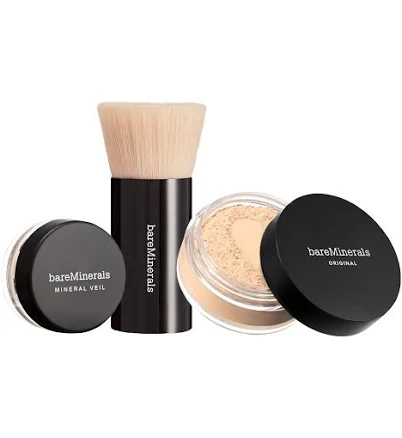
bareMinerals
Mineral Makeup
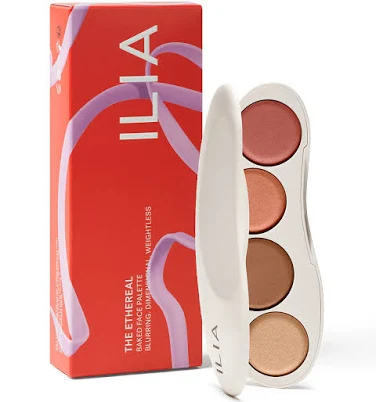
Ilia Beauty
Clean Makeup
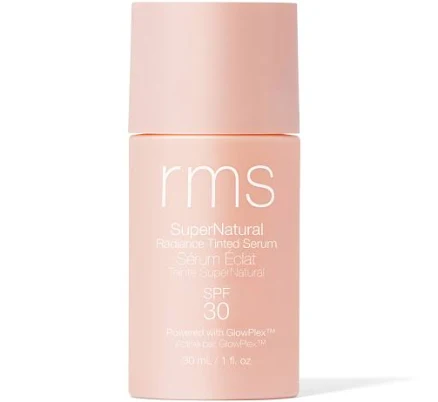
RMS Beauty
Organic Makeup
Model-based grades, not lab tests. We flunk more than we pass. How grading works
Illinois Bans PFAS and 23 Other Chemicals in Cosmetics, What Does the 2026 Law Mean for You?
Illinois has become the latest state to crack down on "forever chemicals" and other controversial ingredients in personal care products. Here's what the new law actually bans, who it affects, and what you can do right now to shop smarter.
What happened with Illinois' new cosmetics law?
According to CIRS Group, a regulatory affairs firm that tracks global chemical compliance, the Governor of Illinois signed the Chemicals in Cosmetic Products Act (House Bill 3409) into law on July 10, 2026. The legislation prohibits the manufacture, sale, and distribution of cosmetic products in Illinois that intentionally contain any of 24 named chemicals or chemical classes, including per- and polyfluoroalkyl substances, commonly known as PFAS.
Illinois joins a growing list of states, including California, Washington, and Maryland, that have passed similar restrictions on cosmetic ingredients in recent years. These state-level laws have emerged largely because federal regulation of cosmetics ingredients in the U.S. has historically been limited compared to food or drugs.
Which chemicals are on the banned list?
While PFAS as a class is the headline ingredient, CIRS Group's summary of the law indicates it targets a broader group of 24 substances or substance categories that have drawn health scrutiny over the years. Beyond PFAS, these lists in comparable state laws typically include ingredients such as formaldehyde and formaldehyde-releasing preservatives, certain phthalates, mercury, and specific dyes. The exact scope and effective dates for enforcement are detailed in the bill text itself, and companies selling cosmetics in Illinois should consult the full statutory language for compliance purposes.
PFAS are a large family of thousands of synthetic chemicals prized for their ability to repel water, oil, and stains. In cosmetics, they've commonly turned up in long-wear foundations, waterproof mascara, and some lip products, where they help create a smooth, water-resistant finish.
Who is affected by this ban?
The law applies to any cosmetic manufacturer, distributor, or retailer selling products to consumers in Illinois. That means both companies headquartered in the state and out-of-state or international brands whose products reach Illinois store shelves and online marketplaces.
For everyday shoppers, the practical effect is that cosmetic products intentionally formulated with PFAS or the other 23 listed chemicals should no longer be legally sold in Illinois once the law's provisions take effect. Consumers in other states may also benefit indirectly, since many national brands reformulate products company-wide rather than maintaining separate formulas for different states.
Why does this matter to consumers?
PFAS have drawn regulatory attention because of their persistence, they don't break down easily in the environment or the human body, which is why they've earned the nickname "forever chemicals." Research has associated exposure to certain PFAS with a range of health concerns, including effects on the immune system, thyroid function, and certain hormone-related processes. It's important to note these are associations observed in scientific studies, not proof that any single cosmetic product causes a specific health outcome in an individual user.
Cosmetics are just one small source of potential PFAS exposure alongside drinking water, food packaging, and household products. Still, because cosmetics are applied directly to skin, lips, and eyes, sometimes multiple times a day, many public health advocates and lawmakers have pushed for tighter restrictions as a precautionary measure, according to CIRS Group's coverage of the legislative trend.
This law also matters because it reflects a broader pattern, states are increasingly stepping in where federal cosmetics regulation has moved slowly, meaning the rules governing what's in your makeup bag may now depend partly on your zip code.
What should you do now?
You don't need to wait for enforcement deadlines to make more informed choices. Here are practical steps.
- Check ingredient labels. Look for PFAS-related terms such as "fluoro," "perfluoro," or "PTFE" on ingredient lists, particularly in long-wear, waterproof, or matte-finish products.
- Ask brands directly. Many companies now publish PFAS-free claims or ingredient disclosures on their websites in response to state laws and consumer demand.
- Use independent tools. Our product finder can help you compare personal care items by PFAS grade and see what each maker says about PFAS.
- Understand how claims are verified. If you're curious about how we evaluate and rate products for PFAS content, our methodology page explains the process and data sources we rely on.
Because these chemicals can appear under multiple technical names, reading labels alone won't always catch everything, pairing label checks with brand transparency and third-party resources gives you a fuller picture.
Bottom Line
Illinois' Chemicals in Cosmetic Products Act, as reported by CIRS Group, bans intentional use of PFAS and 23 other chemicals in cosmetics sold in the state, part of a growing state-by-state push to limit forever chemicals in personal care products. No cosmetic ingredient list can currently be labeled outright "safe," but products without added PFAS are generally considered lower concern for this specific class of chemicals. Staying informed, checking labels, and using tools like our product finder can help you make lower-concern choices for yourself and your family.
Frequently Asked Questions
Does this Illinois law mean all cosmetics nationwide are now PFAS-free?
No. The law applies specifically to products sold in Illinois. However, because many brands sell nationally, some companies may choose to reformulate products across all states rather than maintain separate versions for Illinois.
How do I know if a cosmetic product contains PFAS?
Check the ingredient list for fluorine-related terms like "PTFE" or "perfluoro," look for brand disclosures, or use independent resources such as our product finder to research specific items.
Is PFAS in cosmetics proven to cause health problems?
Scientific studies have found associations between certain PFAS exposures and various health concerns, but this doesn't establish that cosmetics alone cause specific illnesses in individual users. Regulators like Illinois lawmakers have cited these associations as part of the rationale for precautionary restrictions, according to CIRS Group.
What else we were tracking around this
- Sep 1, 2026Are Utah Lake Fish Safe to Eat in 2026? How the State Decides
- Sep 1, 2026Montana's 2026 PFAS Fish Advisories, What Anglers and Families Should Know
- Aug 31, 2026Is There PFAS in Your Makeup? What the FDA's 2026 Cosmetics Study Really Found
- Aug 31, 2026Does the 2024 Cosmetics Law (MoCRA) Finally Address PFAS in Your Makeup and Skincare?
The latest PFAS news is updated daily.
Now check your own stuff
See every product we’ve graded in this category, best-graded first.
Get the graded list, free.
The products we score each week, and the best-graded alternative in every category.
No spam. Unsubscribe anytime.