By PFAS Authority · Updated August 31, 2026
Top grades to buy
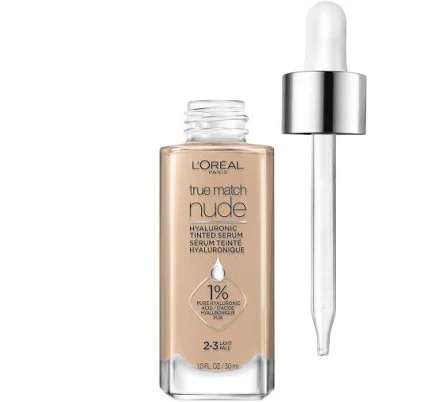
L'Oréal
L'Oreal Paris True Match Hyaluronic Tinted Serum
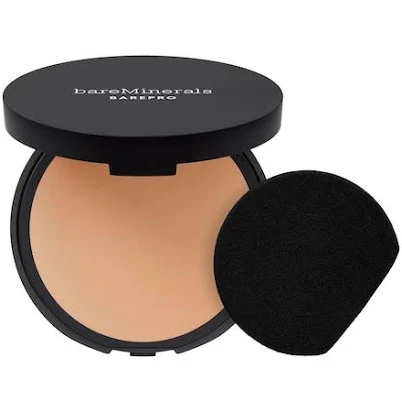
Bare Minerals
bareMinerals Barepro 24HR Skin Perfecting Powder Foundation
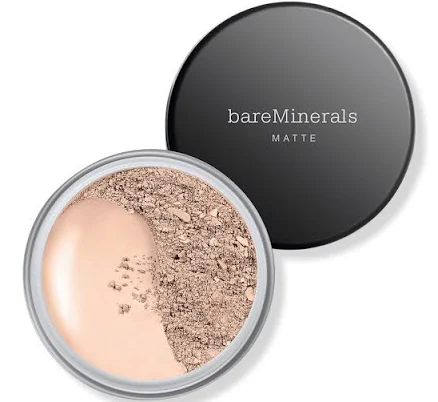
Bare Minerals
Bareminerals Matte Foundation Broad Spectrum Spf15
Model-based grades, not lab tests. We flunk more than we pass. How grading works
Does the 2024 Cosmetics Law (MoCRA) Finally Address PFAS in Your Makeup and Skincare?
If you've ever wondered whether the lipstick, foundation, or sunscreen in your bathroom cabinet is being watched by anyone, the answer just changed. The U.S. Food and Drug Administration (FDA) says the Modernization of Cosmetics Regulation Act of 2022, known as MoCRA, is "the most significant expansion of the FDA's authority to regulate cosmetics" since the original Federal Food, Drug, and Cosmetic Act was passed nearly a century ago. Here's what the law actually does, why PFAS-conscious shoppers should care, and what you can do right now.
What Happened?
According to the FDA, MoCRA gives the agency new powers over the cosmetics industry that didn't exist before. For the first time, cosmetic manufacturers must register their facilities with the FDA, list their products and ingredients, report serious adverse events, and keep safety substantiation records on file. The FDA can now also order a mandatory recall of a cosmetic product if it determines there is a reasonable probability the product is adulterated or misbranded and could cause serious health consequences.
Notably, MoCRA directs the FDA to specifically study the use of PFAS, the "forever chemicals" linked to concerns in nonstick cookware, waterproof fabrics, and yes, some cosmetics, in cosmetic products. The law requires the agency to assess the scientific literature on PFAS in cosmetics and report findings, a step toward determining whether new restrictions are warranted.
Who and What Is Affected?
MoCRA applies broadly to cosmetic products sold in the United States, including makeup, skincare, hair care, nail products, and personal fragrances. Small businesses have some exemptions from the facility registration and product listing requirements, but the FDA notes that safety and labeling obligations still generally apply across the industry.
For consumers, this means virtually every cosmetic brand on store shelves, from drugstore staples to prestige labels, now falls under a stricter federal framework than existed before 2022. The law also gives the FDA authority to require fragrance allergen labeling, a separate but related win for consumers with sensitivities.
Why Does This Matter for PFAS Specifically?
PFAS have been detected in some cosmetic products, particularly long-wear and waterproof items like foundation, mascara, and lip products, where the chemicals' water- and grease-resistant properties can be useful to formulators. Independent studies in recent years have found PFAS compounds in a subset of tested cosmetics, though not all products in any given category.
Health researchers have associated certain PFAS exposures with a range of concerns, including effects on cholesterol levels, immune response, and hormone function, though the FDA and other agencies are careful to note that research is ongoing and that association is not the same as proven cause and effect for any single product or exposure source. What MoCRA does is create, for the first time, a formal federal pathway for the FDA to study PFAS use in cosmetics systematically rather than relying solely on academic research or state-level bans.
This matters because cosmetics have historically had far lighter federal oversight than food or drugs. Before MoCRA, the FDA could not even require a company to recall a dangerous cosmetic, it could only ask nicely. The new law closes that gap and puts PFAS on the agency's radar as a category worth formal scientific review.
What Should You Do Right Now?
MoCRA's PFAS-specific study provisions take time to produce results, and the FDA has not yet issued a blanket restriction on PFAS in cosmetics. In the meantime, here are practical steps.
- Check product labels and brand disclosures. Some brands have voluntarily moved away from PFAS-containing ingredients like PTFE and other fluorinated compounds, especially in long-wear cosmetics.
- Look up specific products before buying. Tools like our PFAS Authority product finder can help you compare cosmetics and household items that have been tested or flagged for PFAS content.
- Understand how testing works. If you want to know how products get evaluated for PFAS, our methodology page explains the process in plain language.
- Report problems. MoCRA now requires companies to report serious adverse events to the FDA, so if a cosmetic causes a reaction, telling the manufacturer and the FDA helps build the safety record the law is designed to strengthen.
It's worth noting that not every waterproof or long-wear cosmetic contains PFAS, and detection in some products does not mean every item in a category carries the same risk. Products without known PFAS additives are generally considered a lower concern choice, though comprehensive federal restrictions are still being developed.
Bottom Line
MoCRA represents a real shift in how the FDA oversees cosmetics, including a formal directive to study PFAS in these products. It does not yet ban PFAS in cosmetics or guarantee any product is entirely free of them, but it creates new reporting, recall, and research tools the FDA didn't have before 2022. For PFAS-conscious consumers, this is a meaningful first step rather than a finish line, worth watching closely as the FDA's PFAS review progresses.
Frequently Asked Questions
Does MoCRA ban PFAS in cosmetics?
No. According to the FDA, MoCRA directs the agency to study PFAS use in cosmetics and report on the science, but it does not impose an outright federal ban on PFAS ingredients in these products.
Which cosmetics are most likely to contain PFAS?
Independent research cited in industry and academic literature has more often found PFAS in long-wear and waterproof products, such as certain foundations, mascaras, and lip products, though not every product in these categories has been found to contain them.
How can I find out if a specific cosmetic contains PFAS?
Brands aren't yet required to disclose PFAS content specifically, but you can check ingredient lists for fluorinated compounds like PTFE, or use resources such as the PFAS Authority finder to see how specific products have been evaluated.
What else we were tracking around this
- Aug 31, 2026Illinois Bans PFAS and 23 Other Chemicals in Cosmetics, What Does the 2026 Law Mean for You?
- Aug 31, 2026Is There PFAS in Your Makeup? What the FDA's 2026 Cosmetics Study Really Found
- Aug 30, 2026Does Firefighter Gear Release More PFAS as It Wears Out? What 2026 NIST Research Shows
- Aug 30, 2026Could ‘Forever Chemicals’ Be Linked to Childhood Leukemia in 2026?
The latest PFAS news is updated daily.
Now check your own stuff
See every product we’ve graded in this category, best-graded first.
Get the graded list, free.
The products we score each week, and the best-graded alternative in every category.
No spam. Unsubscribe anytime.