By PFAS Authority · Updated August 31, 2026
Top grades to buy
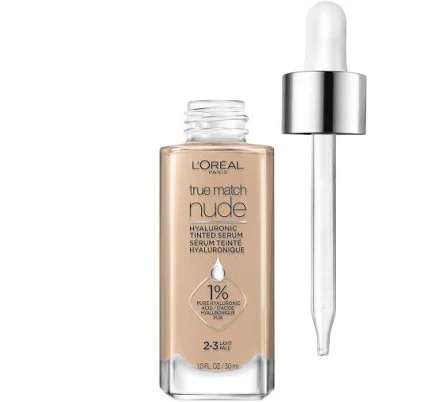
L'Oréal
L'Oreal Paris True Match Hyaluronic Tinted Serum
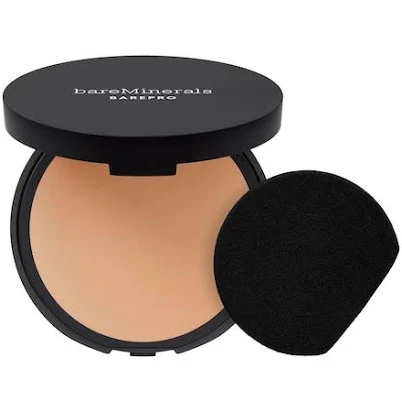
Bare Minerals
bareMinerals Barepro 24HR Skin Perfecting Powder Foundation
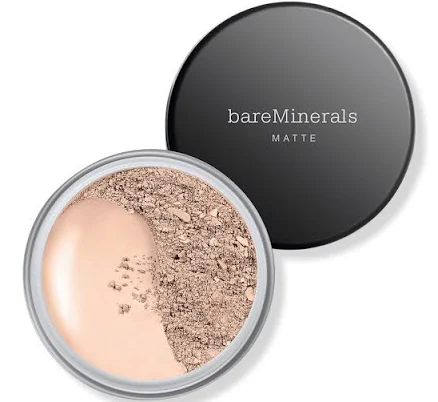
Bare Minerals
Bareminerals Matte Foundation Broad Spectrum Spf15
Model-based grades, not lab tests. We flunk more than we pass. How grading works
Is There PFAS in Your Makeup? What the FDA's 2026 Cosmetics Study Really Found
The U.S. Food and Drug Administration has published a long-awaited study examining per- and polyfluoroalkyl substances (PFAS) in cosmetics, according to reporting from Environment, Land & Resources. The report, authored by researchers tracking the agency's findings, confirms what consumer advocates have suspected for years, PFAS compounds are present in some personal care products sold in the United States. But the study stops short of declaring any product unsafe, and it openly acknowledges major gaps in the data.
If you're wondering whether your foundation, mascara, or lip balm might contain "forever chemicals," here's what the FDA actually said, what it means for your daily routine, and what steps you can take right now.
What Did the FDA Actually Study?
According to the source report, the FDA's study looked at PFAS occurrence in cosmetic products, building on earlier independent research and consumer group testing that found fluorinated compounds in items like waterproof mascara, foundation, and long-wear lip products. PFAS are often added to cosmetics to create a smooth texture, improve water resistance, or help makeup glide on and last longer.
The agency's report is notable less for what it found and more for what it couldn't determine. Per the summary of the study, the FDA highlighted significant data gaps and stopped short of making definitive safety determinations about specific products or PFAS levels. In plain terms, the FDA confirmed PFAS turn up in some cosmetics, but it did not say how much exposure is too much, nor did it name specific brands as problem products.
Who and What Products Are Affected?
The categories most frequently associated with PFAS in prior testing and referenced in this broader regulatory conversation include.
- Waterproof and long-wear mascaras
- Liquid foundations and concealers
- Long-lasting lipsticks and lip liners
- Some pressed powders and setting sprays
- Certain nail polishes and treatments
This isn't a recall, and the FDA has not ordered specific products off shelves as a result of this study. Rather, the report functions as a status update on the science, one that regulators, manufacturers, and consumer advocates will likely use to shape future testing requirements and possible restrictions.
Anyone who regularly uses makeup, particularly long-wear or waterproof formulas, falls into the group this report is relevant to. That said, the level of concern varies widely by product, formulation, and how often it's used, which is exactly the kind of detail the FDA says it still lacks sufficient data to fully sort out.
Why Does This Study Matter?
PFAS have drawn regulatory attention because of their persistence, these chemicals don't break down easily in the environment or the human body, earning them the "forever chemicals" nickname. Scientific research has associated certain PFAS exposures with a range of health effects, including changes in cholesterol levels, immune response, and hormone function, though researchers caution these are observed associations in population studies, not proof that any single product or exposure causes a specific health outcome in an individual. Cosmetics are typically applied to skin or lips rather than ingested, which may limit absorption compared to other exposure routes like contaminated drinking water. However, lip products are a unique case, since they can be inadvertently swallowed in small amounts over time. The significance of this FDA study is largely about accountability and momentum. By formally acknowledging data gaps, the agency is signaling that current testing and reporting requirements for PFAS in cosmetics may be insufficient. That's meaningful for future policy, but it also means consumers are, for now, left without clear regulatory guidance on which products carry lower concern versus higher concern.
What Should You Do Right Now?
Since the FDA's study doesn't name specific brands or set exposure limits, consumers are largely on their own to make informed choices. A few practical steps.
- Check ingredient labels for names containing "fluoro" or "perfluoro" (such as polytetrafluoroethylene, perfluorooctyl triethoxysilane, or similar terms), which can indicate PFAS-related ingredients.
- Look for brand transparency. Some manufacturers have voluntarily reformulated products to remove PFAS and publicize that fact.
- Use our product finder to check how specific cosmetics compare when it comes to known or reported PFAS content.
- Review our testing methodology to understand how PFAS-in-cosmetics claims are typically verified and what limitations exist in current testing.
- Don't panic-toss your makeup bag. The FDA's findings reflect uncertainty, not a confirmed hazard, and switching products should be a personal, informed decision rather than a reaction to headlines.
Bottom Line
The FDA's 2026 study confirms PFAS can be found in some cosmetics but explicitly avoids declaring any product unsafe, citing incomplete data. That leaves consumers in a gray area, aware of a potential issue, but without a clear regulatory verdict. Products without added fluorinated ingredients and with transparent sourcing generally represent a lower concern choice, but no cosmetic can currently be labeled definitively "safe" or "unsafe" from PFAS based on this report alone. Expect this study to fuel further testing, possible future FDA action, and continued pressure from consumer advocacy groups.
Frequently Asked Questions
Does this FDA study mean my makeup is dangerous?
Not necessarily. The FDA's study identifies data gaps rather than confirming danger. It found that PFAS can appear in some cosmetic products but did not establish specific safety thresholds or declare particular products hazardous, according to the report.
Which cosmetics are most likely to contain PFAS?
Prior testing and industry knowledge point to waterproof mascaras, long-wear foundations, and long-lasting lip products as categories more likely to use PFAS-related ingredients for water resistance and durability, though not all products in these categories contain them.
What can I do if I want to avoid PFAS in cosmetics?
You can review ingredient labels for fluorinated compounds, choose brands that disclose PFAS-free formulations, and use resources like our product finder to compare options while regulatory guidance continues to develop.
What else we were tracking around this
- Sep 1, 2026Montana's 2026 PFAS Fish Advisories, What Anglers and Families Should Know
- Aug 31, 2026Illinois Bans PFAS and 23 Other Chemicals in Cosmetics, What Does the 2026 Law Mean for You?
- Aug 31, 2026Does the 2024 Cosmetics Law (MoCRA) Finally Address PFAS in Your Makeup and Skincare?
- Aug 30, 2026Does Firefighter Gear Release More PFAS as It Wears Out? What 2026 NIST Research Shows
The latest PFAS news is updated daily.
Now check your own stuff
See every product we’ve graded in this category, best-graded first.
Get the graded list, free.
The products we score each week, and the best-graded alternative in every category.
No spam. Unsubscribe anytime.