By PFAS Authority · Updated September 17, 2026
Top grades to buy

Aisle
Super Hipster
APEC Water Systems
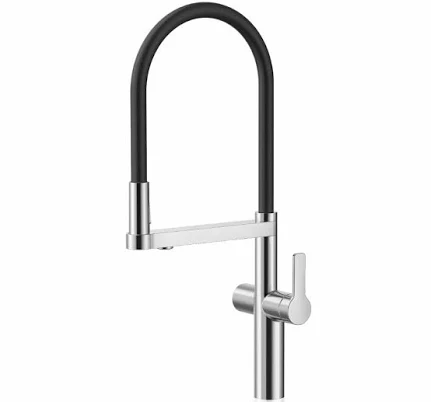
APEC 2-in-1 Pull-Down Kitchen Faucet

Aquasure
Premier Series 75 GPD Under Sink Reverse Osmosis Water Filtration System
Model-based grades, not lab tests. We flunk more than we pass. How grading works
Can Cutting Plastics and PFAS From Your Home Really Boost Fertility in 2026?
A new Netflix documentary The Plastic Detox, is putting a provocative question in front of millions of viewers, could removing everyday plastics and the chemicals that hide inside them help couples get pregnant faster? The film follows an epidemiologist's three-month plan to strip plastic-based products out of participants' homes and kitchens, and it has reignited a debate that scientists have been quietly having for years about plastics, PFAS ("forever chemicals"), and reproductive health.
What Happened With This Documentary?
According to The Guardian's coverage of the film The Plastic Detox follows several couples struggling to conceive as they work with a researcher to identify and remove sources of plastic and plastic-adjacent chemicals from their daily routines, food storage, cookware, personal care products, and household textiles among them. The documentary doesn't claim plastics are the sole cause of fertility struggles, but it highlights growing scientific interest in whether everyday chemical exposure plays a contributing role alongside age, genetics, and other well-established factors.
This fits into a broader pattern our own research keeps surfacing. PFAS Authority's own scoring of 10,765 products found that 41% fail our PFAS and toxin screen, a reminder that chemicals of concern aren't confined to a handful of niche items, but are woven throughout categories people use constantly, from cookware to outdoor gear to personal care.
Who Is Actually Affected by Hidden PFAS and Plastic Chemicals?
Almost everyone has some level of background exposure, but the documentary focuses specifically on people trying to conceive, a group researchers have paid particular attention to because PFAS and certain plastic additives (like phthalates and bisphenols) are classified as endocrine disruptors, meaning they can interfere with hormone signaling. Studies cited by public health researchers have found associations between higher PFAS exposure and longer time-to-pregnancy, though these are associations observed in populations, not proof that any individual's fertility challenges are caused by these chemicals.
Our category-level scoring shows where exposure risk tends to concentrate. Among the worst-performing categories we've assessed, camping tents and tarps (100% failing of 316 scored), rain jackets (100% failing of 74 scored), cycling rain jackets (100% failing of 72 scored), rain pants (100% failing of 15 scored), and snow pants (100% failing of 15 scored). These are products where PFAS-based water-repellent coatings remain the industry default, and they illustrate how exposure isn't limited to food packaging or nonstick pans, it extends into gear people wear close to their skin for hours at a time.
Why Does This Matter for Anyone Trying to Conceive, or Just Trying to Reduce Exposure?
Fertility is influenced by many overlapping factors, and no credible researcher claims that swapping out plastic containers alone will resolve infertility. But the documentary's premise reflects a real shift in scientific thinking, cumulative, everyday chemical exposure is increasingly viewed as one variable worth examining, not dismissing. For consumers, the practical takeaway isn't panic, it's information. Knowing which categories of products are more likely to contain PFAS or plastic-derived chemicals allows people to make more informed choices about where to focus their attention first.
Transparency is part of the problem. Some of the largest and most recognizable brands provide little to no public disclosure about PFAS in their products, based on our review. Cuisinart, Calphalon, The North Face, T-fal, MAC, Nike, All-Clad, and Columbia all fall into this category of disclosing nothing about PFAS use, making it difficult for shoppers to compare or avoid these chemicals through label-reading alone.
What Should You Actually Do About It?
You don't need to overhaul your entire household overnight. A few practical, evidence-informed steps.
- Start with high-contact categories. Cookware, food storage, and outdoor apparel worn for extended periods are reasonable places to focus first, given how frequently they turn up in PFAS-related testing and disclosure gaps.
- Look for third-party certifications rather than marketing language like "eco-friendly" or "natural," which carry no regulatory definition.
- Check specific products before buying using a tool like our product finder, which lets you search individual items rather than guessing based on brand reputation alone.
- Understand how scoring works. It's worth knowing that PFAS Authority scores products from publicly available ingredient lists, material disclosures, and certifications, not from independent laboratory testing of each item. You can read more about how that process works on our methodology page.
Bottom Line
The idea that removing plastics could meaningfully improve fertility outcomes within three months makes for compelling television, but the underlying science supports something more modest and still important, chemical exposure is an association worth reducing where practical, not a proven single cause of infertility. With 41% of the 10,765 products we've scored failing our PFAS and toxin screen, and entire outdoor apparel categories showing 100% failure rates, there's a strong case for consumers to pay closer attention to what surrounds them daily, cookware, rain gear, and beyond, while treating any single documentary's claims as a starting point for questions, not a medical verdict.
Frequently Asked Questions
Does removing plastics from my home guarantee improved fertility?
No. Research shows associations between certain chemical exposures and fertility markers, but infertility has many causes, and no study has established that reducing plastic or PFAS exposure alone resolves it. Speak with a medical provider about personal fertility concerns.
Which products are most likely to contain PFAS?
Based on our scoring, outdoor and weatherproof gear, including camping tents, rain jackets, and snow pants, show the highest failure rates, often near 100% within the categories we've assessed, due to widespread use of PFAS-based water-repellent treatments.
How can I check if a specific product contains PFAS?
You can search individual products using our product finder, which is built on scores derived from published ingredients, materials, and certifications as explained on our methodology page.
What else we were tracking around this
- Sep 18, 2026Is Your Makeup Hiding PFAS? What to Know Before You Buy
- Sep 17, 2026Can PFAS Exposure Before Birth Affect a Son's Fertility Later in Life? What a 2022 Study Found
- Sep 17, 2026Could a Common Forever Chemical Be Undermining Early Pregnancy in 2026?
- Sep 16, 2026Is Your Peoria-Area Water Affected by PFAS in 2026? What Illinois EPA's Notice Means for You
The latest PFAS news is updated daily.
Now check your own stuff
Search anything you own and get its PFAS grade in seconds.
Get the graded list, free
The products we score each week, and the best-graded alternative in every category.
No spam. Unsubscribe anytime.