By PFAS Authority · Updated September 17, 2026
Top grades to buy

Aisle
Super Hipster
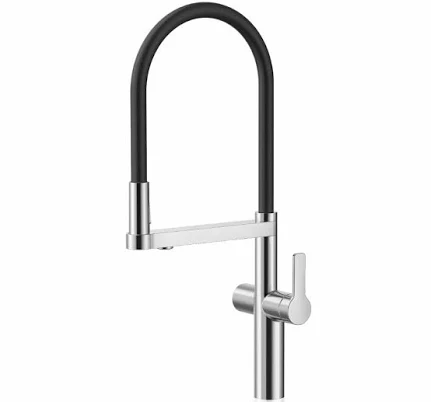
APEC Water Systems
APEC 2-in-1 Pull-Down Kitchen Faucet

Aquasure
Premier Series 75 GPD Under Sink Reverse Osmosis Water Filtration System
Model-based grades, not lab tests. We flunk more than we pass. How grading works
Could a Common Forever Chemical Be Undermining Early Pregnancy in 2026?
A new animal study is raising fresh questions about how PFAS, the so-called "forever chemicals" found in everything from waterproof jackets to nonstick pans, might interfere with the very earliest stages of pregnancy. The research, reported by SciTechDaily on January 29, 2026, adds to a growing body of evidence that these persistent chemicals may have subtle but meaningful effects on reproductive health.
Before we get into the science, some context on scale, PFAS Authority's own scoring of 10,673 products found that 48% fail its PFAS and toxin screen. That's nearly half of everyday household and outdoor items carrying some flag for PFAS or related toxins. Our scores are built from publicly available ingredient lists, material disclosures, and third-party certifications, not laboratory testing, so they reflect what brands say (or don't say) about what's in their products.
What Did the New Study Find?
According to SciTechDaily's summary, researchers conducted an animal study examining how exposure to a widely used PFAS compound affects the earliest window of pregnancy, the period when an embryo implants and establishes the connection to the mother's body. The study suggests that exposure during this critical window may disrupt normal biological processes needed for a pregnancy to take hold and progress.
It's important to be precise about what this kind of research can and can't tell us. Animal studies are useful for identifying biological mechanisms and generating hypotheses, but they don't automatically translate to human outcomes. The findings represent an association between PFAS exposure and disrupted early pregnancy processes in the animal model studied, not proof that PFAS causes pregnancy loss or infertility in people. Still, this study joins a body of human and animal research that has repeatedly linked PFAS exposure to reproductive and developmental concerns, which is why scientists continue to investigate it closely.
Who Is Affected by This Research?
PFAS exposure isn't a niche issue limited to industrial workers or people living near contaminated water. These chemicals are used in thousands of consumer products because they resist water, grease, and stains. That means most people encounter them regularly through.
- Nonstick and stain-resistant cookware
- Waterproof and water-resistant outdoor gear
- Some food packaging
- Certain personal care and cosmetic products
- Drinking water in areas with known contamination
People who are pregnant or actively trying to conceive may reasonably want to pay closer attention to this research, given that the study specifically looked at early pregnancy processes. That said, the general population's baseline PFAS exposure, largely through consumer products and environmental sources, means this is a relevant question for anyone, not just those planning a family.
Why Does This Matter for Everyday Shoppers?
Outdoor and cold-weather gear is a particular concern. PFAS Authority's scoring shows that entire product categories are dominated by items using PFAS-based waterproofing.
- Camping tents & tarps, 100% failing (of 316 scored)
- Rain jackets, 100% failing (of 74 scored)
- Cycling rain jackets, 100% failing (of 56 scored)
- Waterproof boots, 100% failing (of 47 scored)
- Snow pants, 100% failing (of 15 scored)
In other words, if you own rain gear, snow gear, or a tent, there's a strong chance it relies on PFAS chemistry to repel water, based on the ingredients, materials, and disclosures those brands have published. Compounding the problem, several major brands, including Cuisinart, The North Face, Calphalon, MAC, T-fal, Nike, Columbia, and Patagonia, currently disclose nothing about PFAS use in their products, according to PFAS Authority's own scoring. That lack of transparency makes it difficult for shoppers to make informed choices even if they're actively trying to reduce exposure.
What Can You Actually Do About It?
You can't eliminate PFAS exposure entirely, but you can take steps to lower it where it's easiest to control.
- Check labels and certifications before buying rain gear, tents, or cookware, and favor brands that publish PFAS-free claims backed by third-party certification.
- Use our product finder to compare specific items and see how they score before you buy.
- Understand how scoring works by reviewing our methodology, which explains how we evaluate ingredients, materials, and disclosures.
- Talk to your healthcare provider if you're pregnant or planning to become pregnant and have specific concerns about chemical exposure, this article isn't medical advice, but your doctor can offer personalized guidance.
- Filter your water if you live in an area with known PFAS contamination, using a filter certified to reduce PFAS.
Bottom Line
A new animal study suggests PFAS exposure may interfere with early pregnancy processes, adding to concerns scientists have raised for years about these persistent chemicals. The findings are an association in an animal model, not definitive proof of harm in humans, but given how widespread PFAS is in everyday products, and that PFAS Authority's own scoring found 48% of nearly 10,700 products fail its screen, it's reasonable to treat PFAS-heavy categories like rain gear and cookware with lower concern rather than confidence, and to seek out better-disclosed alternatives when possible.
Frequently Asked Questions
Does this study prove PFAS causes miscarriage or infertility in humans?
No. The research described by SciTechDaily is an animal study showing an association between PFAS exposure and disrupted early pregnancy processes. It doesn't establish direct cause and effect in humans, but it supports continued research and caution.
How do I know if my rain jacket or cookware contains PFAS?
Check the manufacturer's website for PFAS disclosures or certifications. Many major brands, including several named in PFAS Authority's data, disclose nothing, so you may need to use a resource like our finder to compare products.
Is any product truly "PFAS-free"?
Some products are formulated and certified without added PFAS, which represents lower concern than undisclosed or PFAS-treated alternatives. However, no product can be guaranteed entirely free of trace environmental contamination, so claims should be verified through certifications and transparent disclosures.
What else we were tracking around this
- Sep 17, 2026Can PFAS Exposure Before Birth Affect a Son's Fertility Later in Life? What a 2022 Study Found
- Sep 17, 2026Can Cutting Plastics and PFAS From Your Home Really Boost Fertility in 2026?
- Sep 16, 2026Is Your Peoria-Area Water Affected by PFAS in 2026? What Illinois EPA's Notice Means for You
- Sep 16, 2026Chemours & DuPont's $600 Million PFAS Settlement, What Does It Mean for North Carolina Families in 2024?
The latest PFAS news is updated daily.
Now check your own stuff
Search anything you own and get its PFAS grade in seconds.
Get the graded list, free
The products we score each week, and the best-graded alternative in every category.
No spam. Unsubscribe anytime.