By PFAS Authority · Updated September 20, 2026
Top grades to buy

Aisle
Super Hipster
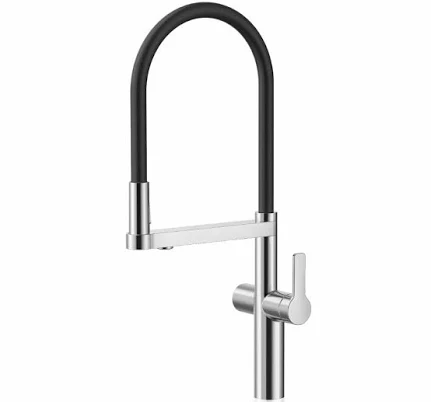
APEC Water Systems
APEC 2-in-1 Pull-Down Kitchen Faucet

Aquasure
Premier Series 75 GPD Under Sink Reverse Osmosis Water Filtration System
Model-based grades, not lab tests. We flunk more than we pass. How grading works
Can New WPI Technology Finally Destroy PFAS “Forever Chemicals” in 2025?
Worcester Polytechnic Institute (WPI) has been awarded $1.5 million in federal funding to accelerate research into technology designed to break down PFAS, the class of synthetic "forever chemicals" linked to a range of health concerns. The award, announced by Congressman James McGovern during an event at WPI, is aimed at moving destruction technology out of the lab and closer to real-world use, according to WPI.
While this kind of research is promising, it will take years before any destruction technology is deployed at scale in water systems, waste treatment plants, or consumer products. In the meantime, PFAS remains widespread in everyday goods. PFAS Authority's own scoring of 11,027 products found that 41% fail its PFAS and toxin screen, a reminder that consumer exposure is still very much a today problem, not just a future one.
What Happened?
According to WPI, the $1.5 million grant will fund research to develop and scale up technology capable of destroying PFAS compounds rather than simply filtering or relocating them. Most current remediation methods, like activated carbon filters, capture PFAS but don't break the extremely strong carbon-fluorine bonds that make these chemicals so persistent in the environment and in the human body. WPI's project aims to actually eliminate PFAS molecules, which could be a meaningful step forward for cleaning contaminated water and waste streams.
Congressman McGovern's announcement at WPI signals continued federal interest in funding PFAS destruction research, as regulators and lawmakers face growing pressure to address contamination in drinking water, soil, and consumer goods across Massachusetts and the country.
Who and What Is Affected?
This research is most directly relevant to communities near known PFAS contamination sites, water utilities managing treatment upgrades, and researchers working on environmental remediation. It's a big deal for the water and wastewater sector, where destroying PFAS, instead of just concentrating it into sludge or spent filters that need disposal, has been a major technical hurdle.
But consumers should understand that this funding does not address PFAS already built into everyday products. Outdoor gear, cookware, and textiles remain common sources of PFAS exposure. PFAS Authority's scoring work has found entire product categories where PFAS use is nearly universal.
- Camping tents & tarps, 100% failing (of 316 scored)
- Rain jackets, 100% failing (of 74 scored)
- Cycling rain jackets, 100% failing (of 72 scored)
- Sleeping bags, 100% failing (of 15 scored)
- Softshell jackets, 100% failing (of 15 scored)
These figures come from PFAS Authority's own scoring, based on published ingredient lists, materials disclosures, and third-party certifications, not independent laboratory testing. That approach means scores reflect what brands disclose (or fail to disclose) rather than direct chemical analysis of finished products.
That distinction matters because some well-known brands disclose little to nothing about PFAS use in their products at all, including Cuisinart, The North Face, Calphalon, MAC, T-fal, Nike, Columbia, and Adidas, according to PFAS Authority's research. When a brand doesn't disclose, it's treated as a red flag in scoring, since consumers have no way to verify what's actually in the product.
Why Does This Matter?
PFAS chemicals have been associated in scientific studies with a range of health concerns, including certain cancers, thyroid disruption, immune effects, and developmental issues, according to research reviewed by agencies like the EPA. These are associations observed in population studies, not proven cause-and-effect for every individual, but the weight of evidence has been enough to prompt stricter drinking water limits and growing regulatory attention nationwide.
Destruction technology like the kind WPI is developing matters because it addresses the "forever" part of forever chemicals, the fact that PFAS doesn't break down naturally and can persist in water, soil, and human bodies for years. If successful and scaled, this type of technology could eventually reduce PFAS loads in treated water and waste, lowering long-term environmental exposure.
However, breakthrough lab research and real-world deployment are two very different timelines. For now, the products people bring into their homes, jackets, cookware, tents, sleeping bags, remain a more immediate and controllable source of exposure than contaminated water infrastructure that hasn't yet been upgraded.
What Should You Do?
While researchers work on long-term fixes, consumers can take a few practical steps now.
- Check products before buying, especially in high-risk categories like outdoor apparel, cookware, and camping gear, using a tool like PFAS Authority's product finder.
- Be skeptical of brands that don't disclose PFAS status at all, silence isn't the same as "PFAS-free."
- Look for third-party certifications and clear ingredient/materials disclosures rather than marketing claims alone.
- Understand how scoring works by reviewing PFAS Authority's methodology, which explains how products are evaluated using published data rather than lab testing.
- Stay informed on local water quality reports, since municipal testing may flag PFAS levels in drinking water separate from consumer product exposure.
Bottom Line
WPI's $1.5 million award is a genuinely encouraging step toward technology that could one day destroy PFAS rather than just relocate it, and it reflects growing federal investment in solving the forever chemical problem at its source. But this is early-stage research, not an immediate fix. Consumers still face real, current PFAS exposure risks from everyday products, with entire categories like tents, rain jackets, and sleeping bags showing 100% failure rates in PFAS Authority's own scoring. Until destruction technology matures and reaches the market, informed purchasing decisions remain one of the most effective tools consumers have.
FAQ
Does this WPI funding mean PFAS-contaminated water will be fixed soon?
Not immediately. According to WPI, the $1.5 million grant is meant to accelerate research and scale-up of destruction technology, but moving from lab research to widespread deployment in water systems typically takes years.
Does PFAS Authority test products in a lab?
No. PFAS Authority scores products based on published ingredients, materials, certifications, and brand disclosures, not independent laboratory testing. This methodology is explained in detail on the methodology page.
Why do some brands score poorly even without lab testing showing PFAS?
Brands that disclose little or nothing about PFAS use in their materials are treated as higher risk in PFAS Authority's scoring, since a lack of disclosure prevents consumers from confirming a product is lower concern.
What else we were tracking around this
- Sep 21, 2026Is PFAS in Pet Food Putting Your Dog or Cat at Risk?
- Sep 21, 2026Are Driscoll's Strawberries Safe? What the New PFAS Lawsuit Means for Shoppers
- Sep 20, 2026Can New EPA-Funded Technology Finally Destroy PFAS in Industrial Wastewater in 2026?
- Sep 20, 2026Is Indiana American Water's $150M PFAS Cleanup Enough to Protect Your Tap Water?
The latest PFAS news is updated daily.
Now check your own stuff
Search anything you own and get its PFAS grade in seconds.
Get the graded list, free
The products we score each week, and the best-graded alternative in every category.
No spam. Unsubscribe anytime.