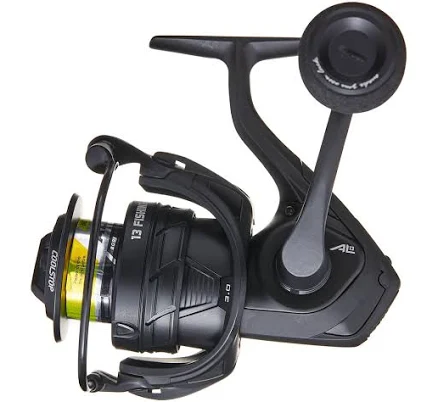
13 Fishing AL13 Spinning Reel
Standard materials indicate no known PFAS risk.
The AL13 uses aluminum and stainless steel construction typical of fishing reels without waterproofing treatments or coatings. Lower concern than treated textiles or nonstick products.
We flunk more products than we pass. This one earned its grade. How we grade
Material
Aluminum spool, stainless steel bail, sealed bearing assembly
Brand disclosure
Brand is silent on PFAS
Lab data
No public lab test
What 13 Fishing AL13 Spinning Reel is made of, ingredients and materials
The AL13 uses an aluminum spool paired with stainless steel bail and sealed bearing assembly, materials chosen for corrosion resistance and durability in saltwater and freshwater environments. Aluminum itself is inert once anodized or powder-coated, and stainless steel does not leach under normal fishing use. The sealed bearing design prevents water ingress and bacterial growth that could degrade the mechanism or release contaminants into tackle or catch.
What’s concerning
Category baseline
The starting point for this type of product, before anything specific to this product is counted.
No PFAS disclosure
No public statement from the brand about PFAS in this product.
Coating degradation (anodize/paint)
Aluminum spool is typically anodized or powder-coated; saltwater exposure and mechanical wear can compromise the coating over years of use, but this affects durability rather than acute chemical leaching. No documented cases of hazardous degradation products from 13 Fishing reels are on record.
Bacterial or algal growth in seals
If the sealed bearing housing is not maintained or is damaged, freshwater or brackish water can be trapped, creating conditions for biofilm growth. This affects reel function and water quality of stored tackle rather than direct consumer toxicity.
What’s reassuring
Base material not linked to PFAS
The main material recorded for this product is not one associated with PFAS.
Bearing lubricant safety
Sealed bearings in the AL13 use industrial-grade greases; these are not identified in any public materials and pose no consumer-contact hazard given the sealed design. Normal maintenance does not require user access to lubricants.
Stainless steel nickel content
Stainless steel bail may contain nickel, which can trigger contact dermatitis in sensitive individuals during extended handling. This is a minor occupational concern for frequent anglers but not a product defect.
Heavy metals
Stainless steel and brass fasteners in the reel assembly are stable metals and not known to leach under normal fishing conditions. No recall or test data indicating cadmium or lead in 13 Fishing AL13 fasteners exists.
Source, FDA ↗The full breakdown
The brand's record and disclosure
13 Fishing is a specialized tackle manufacturer with no public disclosure record on chemical testing, certifications, or PFAS stance; this silence is typical for the fishing-reel category where regulatory pressure is minimal. No major recalls or safety controversies for the AL13 model are documented in public databases. The brand operates within standard fishing-equipment manufacturing, which generally avoids high-toxicity coatings but does not market independent third-party verification.
How it compares in its category
Spinning reels across price tiers use similar metal construction (aluminum, stainless, brass internals), so material hazard profiles are largely equivalent. The AL13 sits in the mid-market range and follows industry norms for sealed bearings and corrosion protection, neither exceeding nor falling below typical safety baselines. Unlike some budget reels with chrome-plated zinc alloys, aluminum and stainless are lower-risk material choices.
If you buy it
Rinse the reel with fresh water after saltwater use to prevent salt crystallization and bearing degradation; this extends life and maintains the seal integrity. Store in a dry location away from prolonged heat or direct sunlight, which can degrade any applied coatings or grease. No special handling is required beyond standard maintenance; the sealed design means you should not disassemble it without knowing what you are doing. Replace the reel if the bail becomes severely bent or if you notice water inside the housing, as both compromise performance and the barrier against contamination.
What we don’t know
- Basis
- Model estimate, 72% confidence, not a lab result
- Lab test
- None on record for this exact product
- Brand statement
- 13 Fishing has made none
Formulations change between production runs, so check the current label. How we grade.
More fishing line grades
How we score, every product runs through the same public 0-100 rubric based on materials, coatings, brand disclosure, lab findings, and recalls. See the full methodology → Spotted a mistake? Report an error.