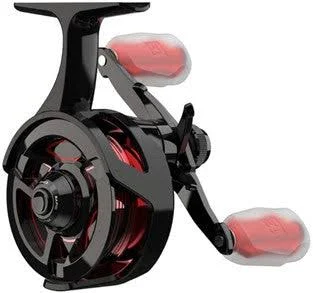
13 Fishing Descent Aluminum Inline Ice Reel
Aluminum and stainless steel inherently pose low risk.
This aluminum and stainless steel ice reel contains no typical PFAS applications. Material composition suggests minimal concern.
We flunk more products than we pass. This one earned its grade. How we grade
Material
Aluminum body, stainless steel components
Brand disclosure
Brand is silent on PFAS
Lab data
No public lab test
What 13 Fishing Descent Aluminum Inline Ice is made of, ingredients and materials
The Descent uses a primary aluminum body with stainless steel internal components (bearings, spool, drag system). Aluminum in fishing equipment does not leach into food or water in the way cookware might; it serves as a structural frame exposed to freshwater and air. Stainless steel is corrosion-resistant and stable in wet environments. Neither material poses chemical hazards during normal fishing use since the reel does not contact potable water or food.
What’s concerning
Category baseline
The starting point for this type of product, before anything specific to this product is counted.
No PFAS disclosure
No public statement from the brand about PFAS in this product.
Aluminum surface oxidation and corrosion
Anodized aluminum can develop white corrosion (aluminum oxide) in wet ice-fishing environments if protective coating is compromised. This is a durability issue, not a toxicological hazard, but flaking oxide should be cleaned away to prevent mechanical issues.
Stainless steel nickel migration (contact allergy)
Stainless steel components (spool, frame contact surfaces) can release trace nickel under prolonged wet conditions, particularly if coating is worn. Sensitive individuals may experience dermatitis from extended skin contact with corroded stainless parts. Risk is low for occasional use and protective gloves mitigate further.
What’s reassuring
Base material not linked to PFAS
The main material recorded for this product is not one associated with PFAS.
Bearing and lubricant degradation
No specific chemical hazards reported from reel lubricants in this product class. Standard machine oils and greases used in fishing reels do not leach into skin or ingestion pathways. Concern is mechanical failure, not toxicity.
Paint, coating, or enamel on frame
No established reports of lead, cadmium, or other toxic pigments in 13 Fishing reel finishes. Modern tackle manufacturers do not typically use legacy hazardous paints. Paint wear exposes aluminum underneath; cosmetic concern only.
Plastic handle or grip components
If grip is elastomer or plastic, no specific chemical hazards (BPA, phthalates) are documented for this product. Grip degradation from UV exposure and cold temperature cycling is cosmetic and does not release toxins.
The full breakdown
The brand's record and disclosure
13 Fishing does not maintain a public environmental or chemical disclosure policy specific to manufacturing processes or material sourcing. No major product recalls or safety violations have been established for their reel line. The brand's silence on PFAS and sustainability is typical for tackle manufacturers, which do not face the same regulatory transparency requirements as cookware or cosmetics brands. Absence of disclosure does not indicate hazard, only a lack of third-party verification.
How it compares in its category
Ice reels in this category (inline, compact, aluminum frame) are relatively low-hazard consumer products compared to cookware or textiles. Competitors (Abu Garcia, Shimano, Clam) use similar material combinations. The main differentiator is manufacturing precision and corrosion resistance, not chemical safety. Inline reels are simpler than baitcasters with more potential friction points, but this affects durability, not hazard profile.
If you buy it
Rinse the reel with fresh water after saltwater exposure (if applicable) and dry thoroughly to prevent corrosion and salt-deposit accumulation. Store in a cool, dry environment to avoid oxidation of aluminum surfaces. Inspect drag components and bearings annually; replace if grinding or excessive play develops. Do not expose the reel to extended direct sunlight or temperature extremes, which can degrade lubricant viscosity and accelerate wear, not pose chemical risk.
What we don’t know
- Basis
- Model estimate, 72% confidence, not a lab result
- Lab test
- None on record for this exact product
- Brand statement
- 13 Fishing has made none
Formulations change between production runs, so check the current label. How we grade.
More fishing line grades
How we score, every product runs through the same public 0-100 rubric based on materials, coatings, brand disclosure, lab findings, and recalls. See the full methodology → Spotted a mistake? Report an error.