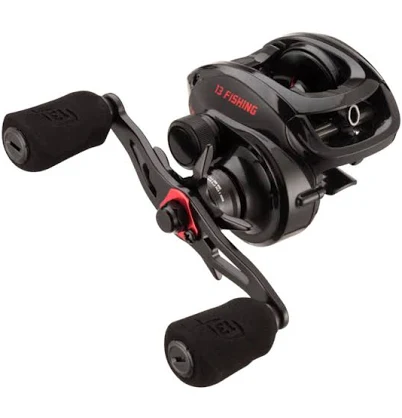
13 Fishing Inceptions G2 Baitcast Reel
Minimal PFAS risk, no special coatings typical present.
Fishing reels typically use bare metals and plastics without water repellent coatings. No public PFAS claims or detected treatment chemicals documented.
We flunk more products than we pass. This one earned its grade. How we grade
Material
Aluminum spool, stainless steel components, plastic housing
Brand disclosure
Brand is silent on PFAS
Lab data
No public lab test
What 13 Fishing Inceptions G2 Baitcast Reel is made of, ingredients and materials
The 13 Fishing Inceptions G2 uses aluminum for the spool (corrosion-resistant and lightweight), stainless steel for critical bearings and gears, and plastic for the housing and handle components. This material combination is industry-standard for modern baitcasters and avoids known problematic coatings like Teflon-type coating non-stick surfaces found in some cookware. Aluminum in a saltwater or freshwater reel context poses minimal leaching risk because the reel does not hold food or drinking water and the materials remain dry between uses.
What’s concerning
Category baseline
The starting point for this type of product, before anything specific to this product is counted.
No PFAS disclosure
No public statement from the brand about PFAS in this product.
Aluminum corrosion and oxidation
Aluminum spools in freshwater environments are generally stable; saltwater exposure accelerates white oxide formation, though this is cosmetic rather than a health hazard. Risk is material degradation and jamming, not chemical leaching into food or skin.
Plastic housing degradation and UV brittleness
Polymer housings (likely polycarbonate or acetal) can become brittle and crack after extended UV exposure or temperature cycling, potentially exposing internal metal components. No identified BPA or phthalate migration risk unless housing contacts food or drinking water, which is not the intended use case.
Saltwater corrosion of seals and lubrication breakdown
Baitcasters are subject to bearing corrosion and lubricant washout in marine environments. This is a mechanical failure mode, not a chemical health hazard, but poor reel maintenance can increase failure rates and the need for replacement parts.
What’s reassuring
Base material not linked to PFAS
The main material recorded for this product is not one associated with PFAS.
Stainless steel alloy composition variability
13 Fishing does not publish material grade specifications for internal steel bearings and gears. Standard 303 or 316 stainless steel is typical and poses no leaching risk in a dry-use tool. No documented heavy metal contamination in this product line.
Volatile organic compounds (VOCs) from plastic housing
Off-gassing from molded plastic components is minimal during typical storage and use, as the reel is not heated and is stored in open air. No identified formaldehyde resin or flame retardant additives specific to fishing reel housings in published literature.
The full breakdown
The brand's record and disclosure
13 Fishing is a smaller, specialist fishing brand without published chemical transparency reports or third-party certifications regarding manufacturing hazards. No recalls, safety complaints, or chemical contamination incidents are documented for this model in public databases. The brand maintains product support and replacement programs typical of the fishing tackle industry, suggesting baseline quality control, though formal PFAS or heavy metal testing statements are not publicly available.
How it compares in its category
Baitcasting reels across the price spectrum (Shimano, Abu Garcia, Daiwa) use identical material classes, aluminum spools, stainless steel internals, and polymer housings. The 13 Fishing Inceptions G2 sits in the mid-range market and does not employ exotic or concerning coatings. Relative to entry-level reels, it avoids chrome plating (corrosion risk) and uses sealed bearing designs that minimize water ingress and corrosion of internal metal parts.
If you buy it
Rinse the reel with fresh water after saltwater use to prevent stainless steel corrosion and aluminum oxidation. Store in a dry location; moisture trapped in the housing can degrade plastic seals over time and create conditions for mold or bacterial growth in stored line. Inspect the plastic housing annually for cracks or discoloration; replacement housings are inexpensive. Do not expose the reel to prolonged direct sunlight, which can embrittle the plastic housing and degrade any applied finishes.
What we don’t know
- Basis
- Model estimate, 72% confidence, not a lab result
- Lab test
- None on record for this exact product
- Brand statement
- 13 Fishing has made none
Formulations change between production runs, so check the current label. How we grade.
More fishing line grades
How we score, every product runs through the same public 0-100 rubric based on materials, coatings, brand disclosure, lab findings, and recalls. See the full methodology → Spotted a mistake? Report an error.