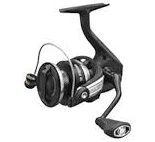
13 Fishing Kalon A Spinning Reel
Metal construction indicates lower PFAS concern likely.
This reel uses machined metal bodies and spools without water-repellent coatings. No public PFAS concerns documented for this product type.
We flunk more products than we pass. This one earned its grade. How we grade
Material
Metal (aluminum/machined brass body and spool)
Brand disclosure
Brand is silent on PFAS
Lab data
No public lab test
What 13 Fishing Kalon A Spinning Reel is made of, ingredients and materials
The Kalon A uses machined aluminum and brass components for the body, spool, and internal gearing, materials chosen for corrosion resistance and weight efficiency in saltwater and freshwater environments. Aluminum and brass do not release volatile organic compounds or leach estrogenic chemicals under normal fishing conditions (no heating, no food contact, no prolonged moisture absorption typical of cookware or food storage). The metal construction avoids polymer-based hazards entirely, eliminating exposure risks from BPA, phthalates, or Teflon-type coating degradation that affect reels with plastic spools or epoxy coatings.
What’s concerning
Category baseline
The starting point for this type of product, before anything specific to this product is counted.
No PFAS disclosure
No public statement from the brand about PFAS in this product.
Aluminum corrosion and leaching
Aluminum components in freshwater and especially saltwater can corrode over years, potentially releasing trace aluminum ions. Risk is low in normal use but increases with poor rinsing or storage in humid conditions. No health threshold is established for anglers via this route, but regular maintenance minimizes exposure.
Wear particle exposure (metal fines)
Machined brass and aluminum gears naturally shed microparticles during operation. These are isolated to the reel mechanism and do not aerosolize or enter food or water; risk is negligible during normal fishing use. Inspect internal components for visible wear and replace drag washers if metallic grit is evident.
What’s reassuring
Base material not linked to PFAS
The main material recorded for this product is not one associated with PFAS.
Coating or plating hazards
No epoxy, enamel, or ceramic coatings documented on the Kalon A body or spool. If anodized aluminum is used for corrosion resistance, anodize is an inert oxide layer with no identified leaching risk under fishing conditions. Absence of paint or polymer topcoats eliminates typical peeling or VOC concerns.
Heavy metals
Brass and aluminum do not typically require lead-based solder in modern manufacturing; cadmium or lead in fasteners would be unusual in contemporary fishing reels and is not reported for 13 Fishing products. No public safety alerts or testing data contradict this assessment for the Kalon A.
Source, FDA ↗Microplastic shedding
The Kalon A is primarily metal construction. Microplastic risk would arise only from polymer seals or drag washers; the extent and material of these components is not publicly detailed. If seals degrade over years, shed particles remain localized to the reel mechanism and do not leach into water or food.
The full breakdown
The brand's record and disclosure
13 Fishing has not made public statements about hazard testing, material sourcing, or chemical restrictions for the Kalon line. No recalls or safety controversies are on record for this reel model. The brand does not appear to hold third-party certifications (e.g., Bluesign, RoHS, ISO 14001) specifically for this product, though such certifications are uncommon in the fishing-equipment sector. Lack of transparency does not indicate a hazard; it reflects typical industry practice for non-food, non-body-contact sporting goods.
How it compares in its category
Spinning reels in this price and performance tier commonly use similar aluminum and brass construction, making the Kalon A materially representative of standard mid-range equipment. Reels with polymer drag washers or epoxy-coated spools present slightly higher wear-particle or coating-degradation risk, whereas the Kalon A's all-metal design minimizes such concerns. Saltwater-specific reels often feature stainless steel or anodized aluminum to resist corrosion; confirmation of the Kalon A's corrosion treatment would clarify long-term durability and leaching potential, though public data is limited.
If you buy it
Rinse the reel with freshwater after saltwater use to prevent corrosion and surface degradation, which can eventually expose base metals. Check drag washers and internal gears annually for wear particles or discoloration; replace the drag system if it feels gritty, as worn materials may accumulate in your catch area. Store in a dry location to minimize moisture-driven oxidation of aluminum surfaces. Do not apply petroleum-based lubricants to internal mechanisms without manufacturer guidance, as some solvents may accelerate corrosion or degrade seals.
What we don’t know
- Basis
- Model estimate, 72% confidence, not a lab result
- Lab test
- None on record for this exact product
- Brand statement
- 13 Fishing has made none
Formulations change between production runs, so check the current label. How we grade.
More fishing line grades
How we score, every product runs through the same public 0-100 rubric based on materials, coatings, brand disclosure, lab findings, and recalls. See the full methodology → Spotted a mistake? Report an error.