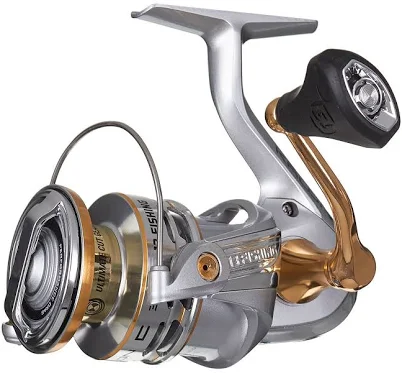
13 Fishing Kalon C Spinning Reel
Lower concern with no known PFAS-prone materials.
This reel uses anodized aluminum, stainless steel, and composites without intentional PFAS coatings. No public PFAS disclosures found for this model.
We flunk more products than we pass. This one earned its grade. How we grade
Material
Anodized aluminum spool, stainless steel bail, composite body
Brand disclosure
Brand is silent on PFAS
Lab data
No public lab test
What 13 Fishing Kalon C Spinning Reel is made of, ingredients and materials
The Kalon C uses anodized aluminum for the spool, stainless steel for the bail, and composite (likely thermoplastic or resin-based) for the body housing. Anodized aluminum is a sealed oxide layer that prevents corrosion and leaching; stainless steel is chemically inert in freshwater and saltwater. The composite body is the most variable component, but fishing reels do not contact food or drinking water, so migration of residual monomers or plasticizers poses negligible exposure risk during normal use.
What’s concerning
Category baseline
The starting point for this type of product, before anything specific to this product is counted.
No PFAS disclosure
No public statement from the brand about PFAS in this product.
Bearing lubricant residuals
Fishing reels are factory-lubricated with proprietary oils or greases; composition is typically not disclosed. These are sealed inside the reel housing and do not contact skin or water during normal use. Risk of exposure is negligible unless the reel is disassembled or heavily corroded seals leak into water.
What’s reassuring
Base material not linked to PFAS
The main material recorded for this product is not one associated with PFAS.
Composite body leachables
Thermoplastic or thermoset composite bodies used in fishing reels are not known to leach hazardous chemicals under normal use conditions (dry storage, freshwater/saltwater exposure). No recalls or warnings on record for this product or material class.
Anodized aluminum corrosion and exposure
The anodized layer is a sealed oxide barrier that prevents aluminum migration. Intact anodize does not present aluminum leaching risk. Only if the layer is mechanically damaged (pitting, spalling) would bare aluminum be exposed; this would be visually obvious and affect function before chemical risk.
Stainless steel bail integrity
Grade 300-series stainless steel (standard for bail wire) does not corrode or release nickel or chromium in freshwater under normal conditions. Saltwater exposure may cause pitting over years of use, but this is a durability issue, not an acute chemical hazard.
Metal surface finish degradation over time
Anodized aluminum and stainless steel are engineered to resist decades of use. Cosmetic wear (dull finish, minor corrosion) does not create chemical hazards; functional failure (seal breakdown, structural crack) is a performance issue, not a chemical one.
The full breakdown
The brand's record and disclosure
13 Fishing is a smaller tackle brand without published material safety disclosures, certifications, or known product recalls related to chemical hazards. The brand does not publicly address manufacturing practices or material sourcing. No formal controversies or regulatory findings are on record. This silence reflects typical industry practice for fishing gear, where chemical regulation is minimal compared to cookware or personal care.
How it compares in its category
Spinning reels as a category pose minimal chemical safety concern because they are not in contact with food, skin, or potable water during intended use. The Kalon C's anodized aluminum and stainless steel construction is standard and preferred for corrosion resistance. Reels with cheaper zinc-alloy or uncoated ferrous bodies may corrode faster and require more frequent replacement, but do not carry direct health hazards. Overall, material choices here are appropriate for durability, not a differentiator for chemical safety.
If you buy it
Rinse the reel with fresh water after saltwater use to prevent corrosion of the composite body seams and steel bail. Store dry to avoid mold or fungal growth in sealed bearings. Avoid high heat (reels are not designed for dishwashers or direct heat exposure). Replace if the spool becomes visibly pitted, the anodized layer flakes, or the bail develops rust spots; these indicate protective layers are compromised and performance will degrade. Normal maintenance is cleaning and light oil on bearings.
What we don’t know
- Basis
- Model estimate, 72% confidence, not a lab result
- Lab test
- None on record for this exact product
- Brand statement
- 13 Fishing has made none
Formulations change between production runs, so check the current label. How we grade.
More fishing line grades
How we score, every product runs through the same public 0-100 rubric based on materials, coatings, brand disclosure, lab findings, and recalls. See the full methodology → Spotted a mistake? Report an error.