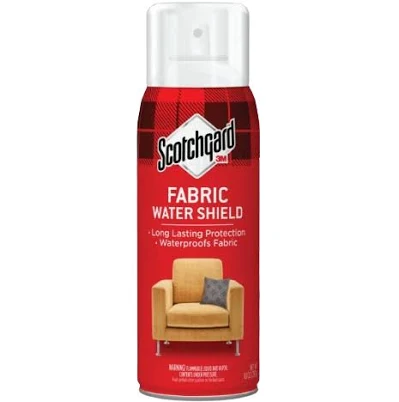
Scotchgard · Outdoor Furniture Cushion Protectants
Scotchgard Fabric Protector
Avoid. Historical PFAS use; no disclosed reformulation.
Scotchgard relies on proprietary fluorochemical repellency that traditionally used PFAS compounds. 3M has not confirmed a PFAS-free version for consumer products.
The better-graded swap
Blazing Needles
74 in by 19 in Outdoor Solid Polyester Tufted Chaise Lounge Cushion
85/100 safety
Same rubric that flunked this product. The swap earned Excellent.
Still want this one anyway? Check the price on Amazon. We’d swap it.
Material
Proprietary fluorochemical water and stain repellent coating
Lab data
No public lab test
You may also be interested in
Top-graded picks in the categories readers replace first, every one scored on the same rubric.

- polypropylene filter housing, carbon/sediment cartridge
- We found no PFAS statement from the brand
- Bacterial growth in spent cartridges
3 hazards checked on this product, all on its full breakdown.

Aquasure
Premier Series 75 GPD Under Sink Reverse Osmosis Water Filtration System
- RO membrane, carbon filters, stainless steel housing
- We found no PFAS statement from the brand
- Bacterial and microbial growth in housing and filters
4 hazards checked on this product, all on its full breakdown.

Avocado
Vegan Mattress
- organic cotton, natural latex, coconut coir, recycled steel coils
- The brand calls it PFAS-free, which we have not verified
- Heavy metals
2 hazards checked on this product, all on its full breakdown.
What Scotchgard Fabric Protector is made of, ingredients and materials
Scotchgard Fabric Protector uses a proprietary fluorochemical formulation, meaning PFAS compounds are the active ingredient that repels water and oil. These fluorochemicals bind to fabric fibers and create a durable barrier, but that persistence is the core safety concern. The product is applied as a liquid aerosol or spray, so inhalation during application is a secondary exposure route beyond the treated surface itself.
What’s concerning
Category baseline
The starting point for this type of product, before anything specific to this product is counted.
Vague safety claims only
Uses vague language ("eco-friendly", "clean") without a specific PFAS statement.
Waterproof / stain-resistant treatment
Water-repellent coating treatments have historically used PFAS.
Volatile organic compounds (VOCs) from spray application
Aerosol and liquid spray formulations release solvents and propellants during application, creating respiratory irritation risk in poorly ventilated spaces. 3M does not disclose full VOC content for this product, so inhalation safety during application cannot be independently verified.
Inhalation exposure during application
Users have reported headaches, dizziness, and throat irritation when applying Scotchgard in confined spaces. The fluorochemical + solvent combination increases respiratory burden, particularly for people with asthma or chemical sensitivities.
Coating buildup and fabric degradation over time
Repeated applications of fluorochemical coatings can cause fabric stiffening, discoloration, or reduced breathability. No long-term wear data from 3M is publicly available on how multiple reapplications affect fiber integrity or fabric lifespan.
Incomplete ingredient disclosure
The label lists 'proprietary fluorochemical' without naming specific PFAS chain lengths, additives, or surfactants. This opacity prevents consumers from assessing whether reformulation has occurred or comparing PFAS exposure to labeled alternatives.
What’s reassuring
Flame retardants
No evidence suggests Scotchgard contains added flame retardants separate from the fluorochemical base. However, fluorochemical treatments themselves can off-gas trace solvents in warm or humid conditions; full volatilization profile is not disclosed.
Source, EPA ↗How is this PFAS grade calculated?
The brand's record and disclosure
3M has faced significant legal and regulatory pressure over PFAS contamination in groundwater and drinking water supplies, with settlements in multiple states. However, 3M has not publicly disclosed whether Scotchgard Fabric Protector has been reformulated away from long-chain PFAS or long-term alternatives. The brand's silence on this specific product's composition, despite global PFAS scrutiny since 2015+, suggests reformulation may not have occurred. This contrasts with competitors who have explicitly marketed PFAS-free versions.
How it compares in its category
Fabric protectors as a category have increasingly shifted toward non-fluorinated alternatives (silicone-based, wax-based, or water-soluble polymers). Scotchgard's continued reliance on proprietary fluorochemicals places it behind transparent competitors offering PFAS-free certifications or simpler formulas. For upholstered furniture and textiles, alternatives like silicone or paraffin-based sprays carry no documented PFAS or bioaccumulation risk and perform comparably for routine spill protection.
If you buy it
Apply in well-ventilated areas to minimize inhalation of spray aerosols; do not use in enclosed bedrooms or near children. Test on a hidden area first, as some delicate fabrics may darken or stiffen. Reapplication is needed every 6-12 months depending on use and laundering frequency. Treated fabrics should not be machine washed immediately after application; follow product instructions on drying time to allow the coating to cure properly.
What is not known about PFAS in this product?
- Basis
- Model estimate, 45% confidence, not a lab result
- Lab test
- None on record for this exact product
- Brand statement
- Scotchgard has made a specific claim
Formulations change between production runs, so check the current label. How we grade.
What are the PFAS-free alternatives to Scotchgard Fabric Protector?
Blazing Needles
74 in by 19 in Outdoor Solid Polyester Tufted Chaise Lounge Cushion
- Polyester fill with polyester cover
- We found no PFAS statement from the brand
- Azo dyes in polyester textiles
2 hazards checked on this product, all on its full breakdown.
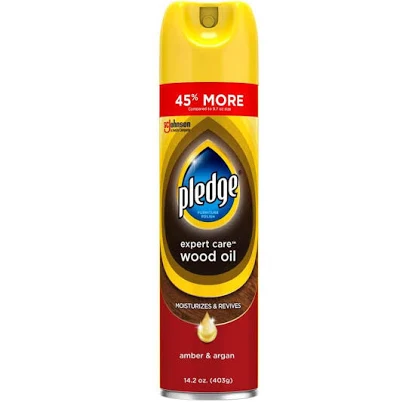
- mineral oil, argan oil blend
- We found no PFAS statement from the brand
- Fragrance allergens and undisclosed components
4 hazards checked on this product, all on its full breakdown.
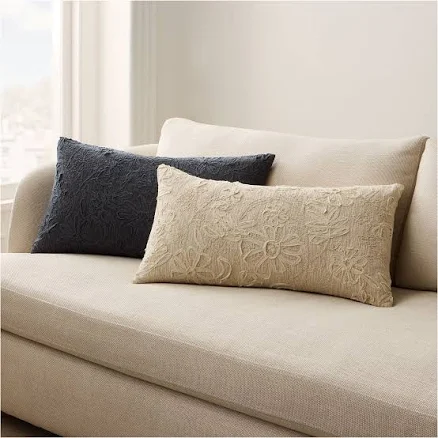
- 100% cotton canvas
- Azo dyes and dye contamination
3 hazards checked on this product, all on its full breakdown.
More outdoor furniture cushion protectants grades
How we score, every product runs through the same public 0-100 rubric based on materials, coatings, brand disclosure, lab findings, and recalls. See the full methodology → Spotted a mistake? Report an error.