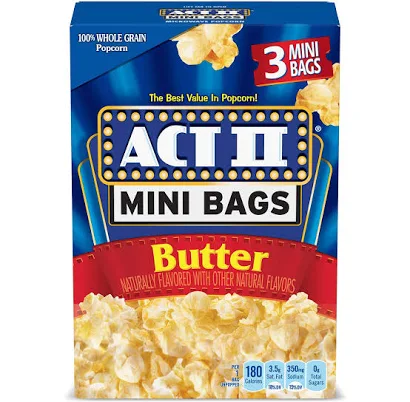
Act II Mini Bags Butter Microwave Popcorn
Skip until coating is disclosed; grease-resistant bags often contain PFAS.
Microwave popcorn bags typically use grease-resistant coatings to prevent oil transfer. Act II does not disclose the coating composition, raising concern for legacy PFAS use common in food packaging.
The better-graded swap
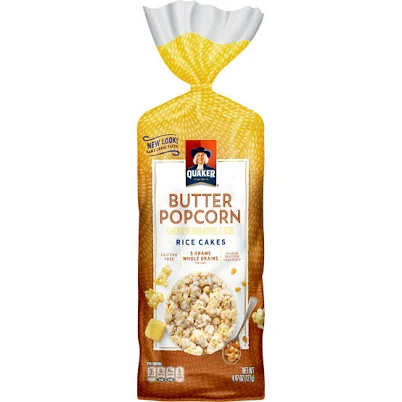
Quaker
Quaker Butter Popcorn Rice Cakes
70/100 safety
Same rubric that flunked this product. The swap earned Good.
Still want this one anyway? Check the price on Amazon. We’d swap it.
Material
Paper bag with grease-resistant coating, unspecified
Brand disclosure
Brand is silent on PFAS
Lab data
No public lab test
What Act II Mini Bags Butter Microwave Popcorn is made of, ingredients and materials
Act II Mini Bags are paper-based microwave pouches with an internal grease-resistant coating of undisclosed chemistry. Grease barriers in microwave popcorn bags are engineered to prevent oil and moisture from breaking down the paper during high-heat cooking. The coating's identity is not public; grease-resistant food contact coatings historically have relied on fluorinated compounds (PFAS) or, less commonly, wax or silicone, but Act II provides no specification. This opacity prevents assessment of non-PFAS alternatives.
What’s concerning
Waterproof / stain-resistant treatment
Water-repellent coating treatments have historically used PFAS.
Category baseline
The starting point for this type of product, before anything specific to this product is counted.
No PFAS disclosure
No public statement from the brand about PFAS in this product.
PFAS
Grease barriers in microwave popcorn bags frequently contain PFAS "forever chemicals". Act II's coating is unspecified; no brand assurance or test data are available, making PFAS presence neither confirmed nor ruled out.
Source, ATSDR ↗Coating degradation and migration under heat
Microwave popcorn bags reach 200-250°C internally. Unidentified coatings may shed particles or leach monomers into oil-rich popcorn under prolonged or overheated use; risk severity depends on coating chemistry, which is unknown.
Microplastics
If the coating contains plastic polymers (e.g., polyester, polystyrene) without a ceramic or mineral barrier, mechanical stress and heat in the microwave can generate particles that may transfer to food.
Source, EPA ↗Lack of independent testing data
No public lab reports, independent certifications, or brand-disclosed test results exist for Act II Mini Bags. Third-party testing would be required to rule out PFAS, heavy metals, or other leachables; absence of data is itself a transparency gap.
What’s reassuring
BPA & bisphenols
Act II does not disclose the source of paper stock. Recycled fiber may contain residual BPA from former food contact packaging, but no specific reports link Act II bags to this pathway; unlikely but unconfirmed.
Source, FDA ↗The full breakdown
The brand's record and disclosure
Act II (owned by ITC Limited, an Indian multinational) has not published ingredient lists, coating specifications, or PFAS-free commitments for its microwave popcorn bags. No third-party certifications (e.g., Green Seal, Cradle to Cradle) are visible on product packaging or brand materials. The company has not responded to public queries about PFAS content in food contact coatings. This silence is consistent with many regional and global brands that treat coating chemistry as proprietary.
How it compares in its category
Microwave popcorn bags are a known source of PFAS exposure; the FDA and independent labs have detected fluorinated residues in dozens of brands' paper liners. Act II's lack of transparency places it in the lower tier of disclosure relative to some major U.S. brands (e.g., Orville Redenbacher's parent company Conagra has acknowledged scrutiny), though comparable to many regional alternatives. Silicone or wax-coated alternatives exist but are rarer and often cost more. Paper-free options (e.g., glass-lid stovetop poppers) eliminate the coating question entirely.
If you buy it
Do not assume the coating is PFAS-free without explicit brand confirmation. If purchased, follow microwave time on package; overheating can degrade any coating and increase leaching risk. Store unopened bags in a cool, dry place to prevent moisture-induced deterioration. Consider requesting coating details from the manufacturer before repeat purchase, or switch to stovetop or air-popped alternatives to eliminate coating exposure.
What we don’t know
- Basis
- Model estimate, 45% confidence, not a lab result
- Lab test
- None on record for this exact product
- Brand statement
- ACT II has made none
Formulations change between production runs, so check the current label. How we grade.
Better-graded alternatives in Microwave Popcorn
Quaker
Butter Popcorn Rice Cakes
- puffed rice cakes in paperboard packaging
- We found no PFAS statement from the brand
- Mold or bacterial growth in packaging
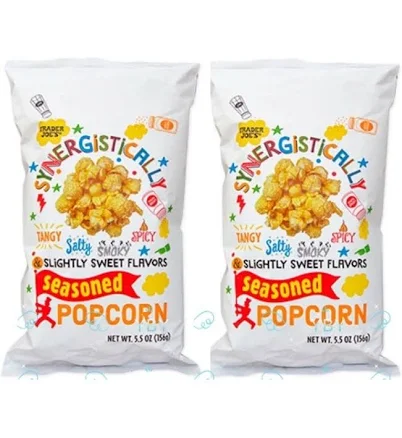
Trader Joe's
2 Packs Trader Joe's Synergistically Seasoned Popcorn 5.5 Oz Each Pack
- paperboard popcorn bag, grease-resistant interior lining
- We found no PFAS statement from the brand
- Moisture and mold risk if bag is compromised
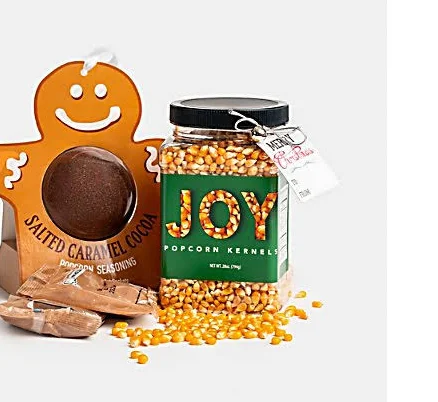
Wabash Valley
Farms Sweet
- paper-based food packaging with standard coating
- We found no PFAS statement from the brand
- Ink migration (printing on exterior or interior)
3 hazards checked on this product. See all of them.
More microwave popcorn grades
How we score, every product runs through the same public 0-100 rubric based on materials, coatings, brand disclosure, lab findings, and recalls. See the full methodology → Spotted a mistake? Report an error.