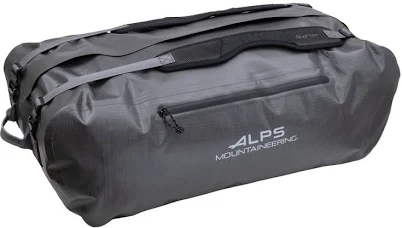
ALPS Mountaineering · Waterproof Bags & Luggage
ALPS Mountaineering Downpour Duffel
Duffel with water-repellent coating. PFAS risk unknown, brand provides no information.
ALPS Mountaineering hasn't disclosed what chemicals treat this duffel's water-resistant coating. Standard water-repellent coating finishes often contain PFAS, though specifics remain unclear.
The better-graded swap
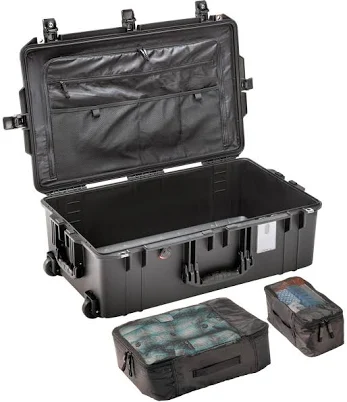
Pelican
Pelican 1595 Air Travel Case
85/100 safety
Same rubric that flunked this product. The swap earned Excellent.
Still want this one anyway? Check the price on Amazon. We’d swap it.
Material
Nylon with waterproof water-repellent coating
Brand disclosure
Brand is silent on PFAS
Lab data
No public lab test
What ALPS Mountaineering Downpour Duffel is made of, ingredients and materials
The Downpour Duffel is constructed from nylon fabric with a water-repellent coating (water-repellent coating) coating applied to the exterior. water-repellent coating treatments historically relied on PFAS-based chemistries, though some manufacturers have transitioned to PFAS-free alternatives; ALPS Mountaineering has not publicly disclosed which type they use on this model. The nylon substrate itself is stable under normal use and not a source of concern, but the coating's composition determines the primary safety question.
What’s concerning
Category baseline
The starting point for this type of product, before anything specific to this product is counted.
No PFAS disclosure
No public statement from the brand about PFAS in this product.
Waterproof / stain-resistant treatment
Water-repellent coating treatments have historically used PFAS.
PFAS
The waterproofing treatment likely contains surfactants and binders; while modern formulations may exclude PFAS, alternative chemistries (Teflon-family coating, siloxanes, or polyurethane-based systems) can off-gas volatile organics in confined storage. No test data on this specific product is publicly available.
Source, ATSDR ↗Microplastic shedding from coating
Repeated washing and abrasion of the water-repellent coating-coated nylon may shed microparticles, especially if the coating degrades. Over many years, this could contribute to environmental release; however, no quantified data on this specific product exists.
What’s reassuring
Nylon fabric stability and dyes
Nylon itself is chemically stable and does not leach under normal conditions. Azo dyes used in fabric coloring are a potential concern in textiles, but no specific recalls or complaints for ALPS duffels have been documented. Standard care prevents dye transfer onto skin or other materials.
Zippers and hardware
Metal zippers and buckles on this duffel are unlikely sources of lead or cadmium contamination based on typical outdoor gear manufacturing standards, though no explicit supplier audits by ALPS have been disclosed. Direct skin contact is minimal and incidental.
Formaldehyde / VOCs
Industrial nylon production may include formaldehyde-based resins in finishing processes, but consumer-grade outdoor duffels do not typically retain measurable formaldehyde after manufacturing. No reports specific to ALPS Mountaineering products.
Source, ATSDR ↗The full breakdown
The brand's record and disclosure
ALPS Mountaineering has maintained minimal public disclosure regarding PFAS use or phase-out plans across their product line. No major safety recalls or documented controversies specific to this duffel have been recorded. The brand does not advertise PFAS-free certifications or provide material safety transparency on their website, leaving consumers to contact them directly for coating specifics. This silence is notable given industry peers (e.g., outdoor gear brands like Patagonia and Arc'teryx) have published explicit PFAS commitments.
How it compares in its category
Duffels and travel bags are a lower-risk product category compared to cookware or food storage because they do not contact consumables or high heat. Most competitors in the mid-range outdoor duffel market use similar nylon-plus-water-repellent coating construction; the safety profile depends entirely on water-repellent coating chemistry, which is rarely disclosed at point of sale. Some alternatives (e.g., Gore-Tex lined bags, or those explicitly labeled PFAS-free) are available at higher price points. This product sits in a typical risk position for conventional outdoor gear without transparency.
If you buy it
Store in a well-ventilated area away from direct heat or sunlight to minimize any potential off-gassing from the coating, especially in the first weeks after purchase. Wash the exterior with mild soap and cool water only; avoid dry-cleaning or high heat, which could degrade the water-repellent coating layer and potentially release coating chemicals. Reapply commercial water-repellent coating products as needed when water beading diminishes, and choose PFAS-free recoating sprays if available. Contact ALPS Mountaineering directly to request documentation of their water-repellent coating chemistry if PFAS avoidance is a priority for your household.
What we don’t know
- Basis
- Model estimate, 45% confidence, not a lab result
- Lab test
- None on record for this exact product
- Brand statement
- ALPS Mountaineering has made none
Formulations change between production runs, so check the current label. How we grade.
Better-graded alternatives in Waterproof Bags & Luggage
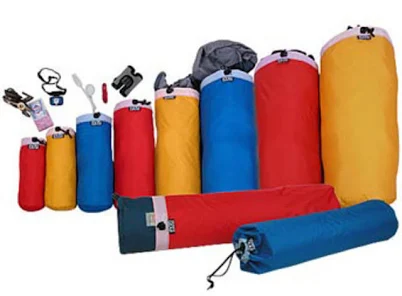
Granite Gear
ToughSack Assorted Colors
- Cordura nylon fabric
- We found no PFAS statement from the brand
- Heavy metals
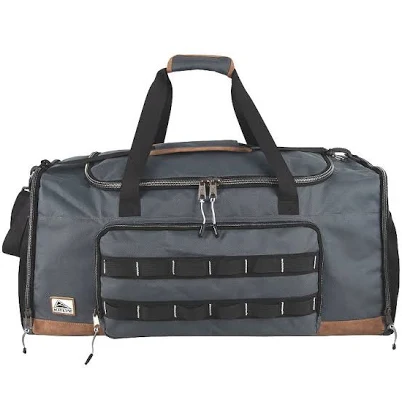
Kelty
Daisy Chain Web Duffel Bag
- Polyester webbing and nylon
- Azo dyes in polyester webbing
4 hazards checked on this product. See all of them.
Pelican
1595 Air Travel Case
- Polypropylene shell, polyurethane foam, stainless steel hardware
- Polyurethane foam degradation and off-gassing
More waterproof bags & luggage grades
How we score, every product runs through the same public 0-100 rubric based on materials, coatings, brand disclosure, lab findings, and recalls. See the full methodology → Spotted a mistake? Report an error.