· Waterproof Personal Electronics Cases
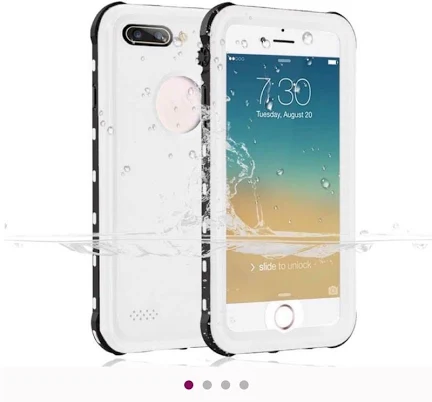
Amazon Waterproof Iphone Case - Black And White For Iphone 7plus And 8 Plus.
No coating described, and no PFAS statement from the brand.
The product information we reviewed describes elastomer/plastic, with no water-repellent coating named. Water resistance on products like this usually comes from the material and its seals rather than a surface treatment. The brand has published no PFAS statement for it.
We flunk more products than we pass. This one earned its grade. How we grade
Material
Elastomer/plastic
Lab data
No public lab test
You may also be interested in
Top-graded picks in the categories readers replace first, every one scored on the same rubric.

- polypropylene filter housing, carbon/sediment cartridge
- We found no PFAS statement from the brand
- Bacterial growth in spent cartridges
3 hazards checked on this product, all on its full breakdown.

Aquasure
Premier Series 75 GPD Under Sink Reverse Osmosis Water Filtration System
- RO membrane, carbon filters, stainless steel housing
- We found no PFAS statement from the brand
- Bacterial and microbial growth in housing and filters
4 hazards checked on this product, all on its full breakdown.

Avocado
Vegan Mattress
- organic cotton, natural latex, coconut coir, recycled steel coils
- The brand calls it PFAS-free, which we have not verified
- Heavy metals
2 hazards checked on this product, all on its full breakdown.
What Amazon Waterproof Iphone Case Plus. is made of, ingredients and materials
This case is constructed from elastomer and plastic materials, typical for waterproof phone pouches. Elastomers (rubber-like polymers) and rigid plastics in consumer electronics cases are generally stable and do not leach under normal phone-use temperatures (under 45°C). The waterproofing comes from the seal design and material density itself, not a chemical coating, which eliminates common coating-related hazards like Teflon-type coating fume risk or heavy metal pigments found in some enameled cookware.
What’s concerning
Category baseline
The starting point for this type of product, before anything specific to this product is counted.
No PFAS disclosure
No public statement from the brand about PFAS in this product.
Elastomer degradation over time
Elastomer and plastic seals naturally degrade with UV exposure, temperature cycling, and age (typically 2-5 years of regular use). Degradation may reduce waterproofing efficacy rather than pose acute chemical release, but cracked seals can allow water and debris ingress.
Microplastic shedding from case wear
Repeated flexing and friction of the elastomer closure against the case body may generate microscopic plastic particles, though this is common across all plastic-elastomer cases and poses negligible exposure during normal phone use.
Bacterial or mold growth in sealed case interior
Moisture trapped inside a sealed case during storage can support bacterial or fungal growth, especially in warm or humid conditions. This is a maintenance issue rather than a manufacturing hazard; regular drying after water exposure mitigates this risk.
What’s reassuring
Base material not linked to PFAS
The main material recorded for this product is not one associated with PFAS.
Off-gassing of volatile organic compounds (VOC) from plastic components
No reports of notable off-gassing from elastomer cases. Plastic and elastomer used in phone accessories typically have low VOC profiles at room temperature, unlike furniture or high-temperature cookware.
Lead
Heavy metal pigments in black plastic are rare in consumer electronics cases and are not reported in phone accessory line. Regulatory restrictions on lead and cadmium in consumer plastics make this a low-probability hazard for this product category.
Source, ATSDR ↗How is this PFAS grade calculated?
The brand's record and disclosure
The brand does not publish specific material safety statements or hazard certifications for this case. The brand has no documented recalls or safety controversies tied to this product line. The brand maintains silent stance on PFAS, consistent with many consumer electronics accessory manufacturers, though no PFAS-based water-resistance treatment has been disclosed for this model.
How it compares in its category
Waterproof phone cases are among the lowest-risk accessory categories because they are passive, non-heated barriers with no food contact and minimal skin contact. This model is typical of mass-market elastomer pouches and carries comparable hazard profiles to competitors from Spigen or OtterBox. The main variable across brands is seal durability and closure mechanism integrity, not chemistry.
If you buy it
Inspect seals before first use and after drops or extended storage to catch micro-tears that compromise waterproofing. Do not expose the case to prolonged direct sunlight, extreme heat (above 50°C), or petroleum-based solvents, which can degrade elastomer over 2-3 years. Replace the case if the seal visibly cracks, becomes sticky, or no longer holds water. Clean with mild soap and water; avoid bleach and strong detergents that may weaken polymer bonds.
What is not known about PFAS in this product?
- Basis
- Model estimate, 35% confidence, not a lab result
- Lab test
- None on record for this exact product
- Brand statement
- has made a specific claim
Formulations change between production runs, so check the current label. How we grade.
More waterproof personal electronics cases grades
How we score, every product runs through the same public 0-100 rubric based on materials, coatings, brand disclosure, lab findings, and recalls. See the full methodology → Spotted a mistake? Report an error.