
Amazon Textured Polyester Tablecloth Rectangle 52x70 Waterproof Spill-Proof Wipeable
Avoid; waterproof polyester with undisclosed coating is a PFAS risk.
Polyester tablecloth with unspecified waterproof and spill-proof coating, a common PFAS-based water-repellent coating vector. The brand provides no coating chemistry disclosure.
Still want this one anyway? Check the price on Amazon. We’d swap it.
Material
Polyester with waterproof/spill-proof coating (unspecified)
Lab data
No public lab test
You may also be interested in
Top-graded picks in the categories readers replace first, every one scored on the same rubric.

- polypropylene filter housing, carbon/sediment cartridge
- We found no PFAS statement from the brand
- Bacterial growth in spent cartridges
3 hazards checked on this product, all on its full breakdown.

Aquasure
Premier Series 75 GPD Under Sink Reverse Osmosis Water Filtration System
- RO membrane, carbon filters, stainless steel housing
- We found no PFAS statement from the brand
- Bacterial and microbial growth in housing and filters
4 hazards checked on this product, all on its full breakdown.

Avocado
Vegan Mattress
- organic cotton, natural latex, coconut coir, recycled steel coils
- The brand calls it PFAS-free, which we have not verified
- Heavy metals
2 hazards checked on this product, all on its full breakdown.
What Amazon Textured Polyester Wipeable is made of, ingredients and materials
This tablecloth is polyester with an applied waterproof/spill-proof coating whose composition Amazon does not disclose. Polyester itself is a stable polymer, but the coating used to repel water and stains is the safety concern. Waterproof finishes on textiles typically rely on fluorinated compounds (PFAS) or silicone-based treatments. Without Amazon's disclosure, the specific chemistry cannot be confirmed, but the 'waterproof spill-proof' marketing is a red flag for PFAS-containing water-repellent coating (water-repellent coating) finishes.
What’s concerning
Category baseline
The starting point for this type of product, before anything specific to this product is counted.
Vague safety claims only
Uses vague language ("eco-friendly", "clean") without a specific PFAS statement.
Waterproof / stain-resistant treatment
Water-repellent coating treatments have historically used PFAS.
PFAS
Undisclosed coating on polyester triggers high suspicion for PFAS; 'waterproof spill-proof' claims on budget textiles almost always indicate fluorinated water-repellent coating. Leaching into food, especially with heat or acidic spills, is documented risk.
Source, ATSDR ↗Antimony in polyester fiber
Polyester is sometimes manufactured with antimony trioxide as a catalyst. No disclosure from the brand on antimony use or levels. Risk is low if fiber remains intact, but possible if garment is worn close to skin or if fiber degrades over time.
Formaldehyde / VOCs
Waterproof coatings sometimes include formaldehyde-based resins for durability. Amazon does not disclose. Formaldehyde off-gassing is typically minimal on items not worn against skin, but possible if coating contains formaldehyde-releasing preservatives.
Source, ATSDR ↗Coating degradation and microparticle release
Textiles with applied coatings are frequently reported to flake or peel within months of use, especially after washing. Degraded coating particles are ingested or inhaled; composition of particles unknown without chemical disclosure.
What’s reassuring
Azo dyes and colorant safety
No specific testing or complaints on record for this tablecloth. Polyester dyes are generally stable, but restricted azo dyes (cancer-linked) remain unregulated in US-imported textiles. No third-party testing available.
How is this PFAS grade calculated?
The brand's record and disclosure
The brand maintains silence on chemical composition and has no published commitment to PFAS-free textiles or safety certifications (OEKO-TEX, Bluesign, etc.) for this product line. The brand does not provide Safety Data Sheets or third-party testing results for coated textiles. This lack of transparency is particularly concerning for a product marketed for food contact, where leaching into food is possible.
How it compares in its category
Most mainstream stain-resistant tablecloths at this price point ($15-25) use legacy PFAS coatings because they are cheap and durable. Premium competitors (e.g., Crate & Barrel, Williams Sonoma) increasingly offer PFAS-free or certified-clean options, though at higher cost. European retailers often stock water-repellent coating textiles meeting REACH restrictions, which exclude certain PFAS. The brand sits at the bottom tier for transparency and likely safety.
If you buy it
Do not use this tablecloth for direct food contact or with young children's dinnerware. Wash before use to reduce loose chemical residue. Avoid heat (dishwasher placement, hot water cycles) as elevated temperature may increase leaching from the coating. Replace if coating begins to peel, crack, or degrade visibly. Consider a certified PFAS-free alternative (cotton blend with silicone or wax coating) instead.
What is not known about PFAS in this product?
- Basis
- Model estimate, 42% confidence, not a lab result
- Lab test
- None on record for this exact product
- Brand statement
- has made a specific claim
Formulations change between production runs, so check the current label. How we grade.
What are the PFAS-free alternatives to Amazon Textured Polyester Tablecloth Rectangle 52x70 Waterproof Spill-Proof Wipeable?
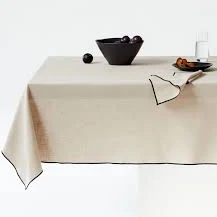
- 100% organic cotton, no coating
- We found no PFAS statement from the brand
- Azo dyes and synthetic colorants
3 hazards checked on this product, all on its full breakdown.
Find an alternative on Amazon
Amazon Essentials Light Blue Multicolor Cotton Tablecloth
- 100% cotton
- Formaldehyde / VOCs
4 hazards checked on this product, all on its full breakdown.
Find an alternative on Amazon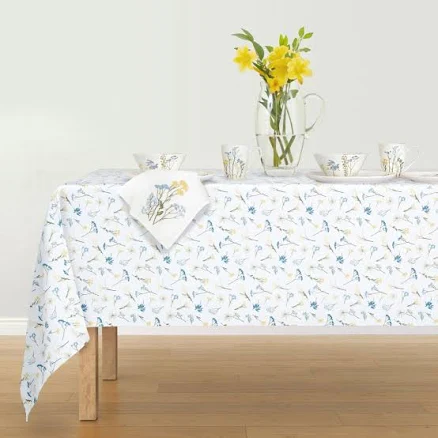
- 100% cotton woven tablecloth
- We found no PFAS statement from the brand
- Azo dyes in printed textiles
4 hazards checked on this product, all on its full breakdown.
Find an alternative on AmazonMore stain-resistant textiles grades
How we score, every product runs through the same public 0-100 rubric based on materials, coatings, brand disclosure, lab findings, and recalls. See the full methodology → Spotted a mistake? Report an error.