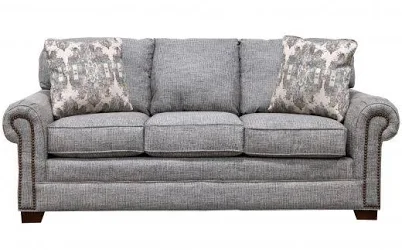
Paige Sofa
Typical sofa; PFAS risk unclear without fabric/treatment disclosure
The brand does not disclose PFAS use or testing for the Paige Sofa. Upholstered furniture often uses water/stain-resistant treatments that may contain PFAS; fabric content unclear.
We flunk more products than we pass. This one earned its grade. How we grade
Material
upholstered fabric, frame unknown
Brand disclosure
Brand is silent on PFAS
Lab data
No public lab test
You may also be interested in
Top-graded picks in the categories readers replace first, every one scored on the same rubric.

Aqua Pure
3M Aqua-Pure AP802B Whole House Filter Housing
- polypropylene filter housing, carbon/sediment cartridge
- We found no PFAS statement from the brand
- Bacterial growth in spent cartridges
3 hazards checked on this product. See all of them.

Aquasure
Premier Series 75 GPD Under Sink Reverse Osmosis Water Filtration System
- RO membrane, carbon filters, stainless steel housing
- We found no PFAS statement from the brand
- Bacterial and microbial growth in housing and filters
4 hazards checked on this product. See all of them.

Avocado
Vegan Mattress
- organic cotton, natural latex, coconut coir, recycled steel coils
- The brand calls it PFAS-free, which we have not verified
- Heavy metals
2 hazards checked on this product. See all of them.
What Paige Sofa is made of, ingredients and materials
The Paige Sofa is an upholstered piece with an unspecified fabric and unknown frame construction. Upholstered furniture typically combines polyester or cotton-blend fabrics with polyurethane foam cushioning and a wooden or engineered-wood frame. The actual chemical composition, particularly whether flame retardants are present in foam or fabric, and what finish was applied to the frame, directly affects off-gassing and skin contact risks during the first weeks of ownership.
What’s concerning
Category baseline
The starting point for this type of product, before anything specific to this product is counted.
No PFAS disclosure
No public statement from the brand about PFAS in this product.
Flame retardants
US furniture regulations require flame resistance; without disclosure, assume brominated or organophosphate flame retardants in polyurethane foam or applied to fabric. These are associated with bioaccumulation and thyroid disruption in animal studies, though human household exposure levels remain debated.
Source, EPA ↗Formaldehyde / VOCs
Particle-board frames and fabric sizing commonly use urea-formaldehyde resins. Badcock does not certify compliance with California Proposition 65 or CARB Phase 2 limits. Off-gassing is typically highest in the first 2-4 weeks.
Source, ATSDR ↗Volatile organic compounds (VOC) off-gassing
Polyurethane foam, adhesives, and synthetic fabric treatments release VOCs including toluene, xylene, and benzene. Badcock sofa products lack Greenguard or similar low-VOC certification, so indoor air quality impact cannot be quantified without testing.
Heavy metals
Synthetic upholstery fabrics may contain azo dyes (some metabolize to carcinogenic amines) or cadmium/lead in pigments. No label or test report visible for the Paige Sofa; risk depends on whether the fabric was sourced with OEKO-TEX or similar screening.
Source, FDA ↗What’s reassuring
Base material not linked to PFAS
The main material recorded for this product is not one associated with PFAS.
Dust and fiber accumulation harboring allergens and microbes
Standard upholstery care issue, dust mites, skin cells, and mold can colonize foam if humidity is high. Not a manufacturing hazard but a maintenance factor; vacuum and air regularly to minimize respiratory irritant buildup.
The full breakdown
The brand's record and disclosure
The brand does not publicly disclose material certifications, flame-retardant chemistry, or independent test results for the Paige Sofa or other upholstered products. The brand maintains a silent stance on PFAS treatment despite the widespread use of PFAS in stain-resistant coatings for fabric furniture. Without third-party certifications (Greenguard, OEKO-TEX, or similar), there is no verifiable record of chemical screening for this specific product.
How it compares in its category
The Paige Sofa sits in the mass-market upholstered furniture segment where flame-retardant additives and formaldehyde-based binders are standard unless explicitly avoided. It lacks the chemical transparency and testing documentation common in premium or sustainability-focused brands. Mid-range retailers like Badcock rarely provide fabric content percentages, foam density specifications, or flame-retardant ingredient lists that allow informed comparison.
If you buy it
Unbox and air out the sofa in a well-ventilated space (garage, porch, or open windows) for 48-72 hours to reduce acute off-gassing of volatile organic compounds. Inspect the fabric seams and underside for staining or odor clues about finishing treatments. Avoid placing it in a sealed nursery or bedroom immediately; allow air circulation for at least one week before heavy use. If any persistent chemical odor, skin irritation, or respiratory symptoms occur, consider a professional fabric treatment or replacement.
What we don’t know
- Basis
- Model estimate, 35% confidence, not a lab result
- Lab test
- None on record for this exact product
- Brand statement
- has made none
Formulations change between production runs, so check the current label. How we grade.
More upholstered furniture grades
How we score, every product runs through the same public 0-100 rubric based on materials, coatings, brand disclosure, lab findings, and recalls. See the full methodology → Spotted a mistake? Report an error.