· Waterproof Fitness Trackers & Cases
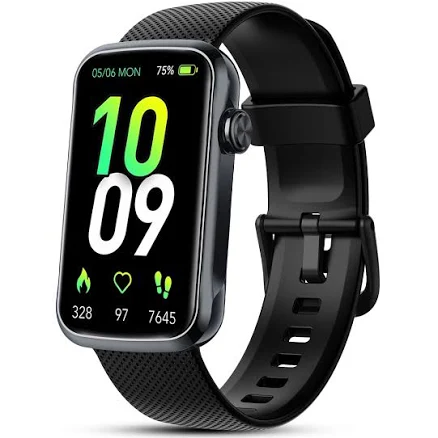
Fitness Tracker with Bluetooth Calls
No coating described, and no PFAS statement from the brand.
The product information we reviewed describes electronics housing, elastomer band, with no water-repellent coating named. Water resistance on products like this usually comes from the material and its seals rather than a surface treatment. The brand has published no PFAS statement for it.
We flunk more products than we pass. This one earned its grade. How we grade
Material
Electronics housing, elastomer band
Brand disclosure
Brand is silent on PFAS
Lab data
No public lab test
You may also be interested in
Top-graded picks in the categories readers replace first, every one scored on the same rubric.

- polypropylene filter housing, carbon/sediment cartridge
- We found no PFAS statement from the brand
- Bacterial growth in spent cartridges
3 hazards checked on this product, all on its full breakdown.

Aquasure
Premier Series 75 GPD Under Sink Reverse Osmosis Water Filtration System
- RO membrane, carbon filters, stainless steel housing
- We found no PFAS statement from the brand
- Bacterial and microbial growth in housing and filters
4 hazards checked on this product, all on its full breakdown.

Avocado
Vegan Mattress
- organic cotton, natural latex, coconut coir, recycled steel coils
- The brand calls it PFAS-free, which we have not verified
- Heavy metals
2 hazards checked on this product, all on its full breakdown.
What Fitness Tracker with Bluetooth Calls is made of, ingredients and materials
Fitness trackers use a rigid electronics housing (likely polycarbonate or similar engineering plastic) paired with an elastomer band (typically silicone or TPE rubber). These materials are chosen for durability, water resistance via sealing rather than coatings, and flex tolerance during wear. Neither material class requires PFAS for water-resistance when properly sealed, though the housing may contain flame retardant additives and the elastomer band formulation is not publicly detailed by the brand.
What’s concerning
Category baseline
The starting point for this type of product, before anything specific to this product is counted.
No PFAS disclosure
No public statement from the brand about PFAS in this product.
Elastomer band degradation and skin sensitization
Elastomer band formulation is not publicly specified; silicone and TPE bands can degrade over years of sweat and UV exposure, potentially releasing uncrosslinked oligomers. No dermatitis reports are on record for this specific model, but elastomer composition opacity prevents full risk assessment.
Flame retardants
Electronics housings typically contain halogenated or phosphorus-based flame retardants to meet regulatory standards; The brand has not disclosed which additives are used. If housing cracks or degrades significantly, trace leaching into sweat is theoretically possible but unlikely at reported exposure levels.
Source, EPA ↗Battery and internal component leakage
No chemical leakage recalls exist for trackers, but any lithium battery breach can expose cadmium or cobalt compounds. Seal integrity degradation over years of use raises this risk; device should be retired if band attachment becomes loose or water enters the housing.
Microplastics
Repeated flexing and friction of silicone/TPE bands generates microscopic particle shedding normal to elastomer products. Long-term skin exposure risk is not quantified in literature; no studies isolate devices, but wearable elastomers are a recognized source of consumer microplastic exposure.
Source, EPA ↗What’s reassuring
Base material not linked to PFAS
The main material recorded for this product is not one associated with PFAS.
Sealing compound off-gassing
No volatile organic compound or off-gassing reports exist for units. Adhesives and sealants used in the housing are not publicly identified, making independent verification impossible.
How is this PFAS grade calculated?
The brand's record and disclosure
The brand has no published material safety data sheets, PFAS commitments, or third-party certifications on record for this device. The brand issued no formal chemical disclosure statements during its active market period. No recalls linked to chemical hazards (leaching, off-gassing, dermatitis) have been documented for trackers, though the absence of disclosure is itself a transparency gap common to early wearables.
How it compares in its category
Early trackers predate the current era of wearable material transparency; modern competitors (Fitbit, Apple Watch, Garmin) now publish elastomer safety certifications and housing material specs more routinely. Devices lack the formal material audits and allergen labeling increasingly standard in the category. The sealed design is comparable to current standards, but chemical vetting of the elastomer formulation remains opaque relative to today's market leaders.
If you buy it
Keep the device dry between deep water exposure to avoid seal degradation over time; replace the band if it develops cracks, discoloration, or odor, as elastomer degradation can increase leaching risk. Avoid prolonged contact with oils, sunscreen, and insect repellent on skin before wearing, as these can accelerate elastomer breakdown. Do not expose to heat above 50C (122F) or direct sunlight for extended periods, as polymer matrix softening may release additives.
What is not known about PFAS in this product?
- Basis
- Model estimate, 35% confidence, not a lab result
- Lab test
- None on record for this exact product
- Brand statement
- has made none
Formulations change between production runs, so check the current label. How we grade.
More waterproof fitness trackers & cases grades
How we score, every product runs through the same public 0-100 rubric based on materials, coatings, brand disclosure, lab findings, and recalls. See the full methodology → Spotted a mistake? Report an error.