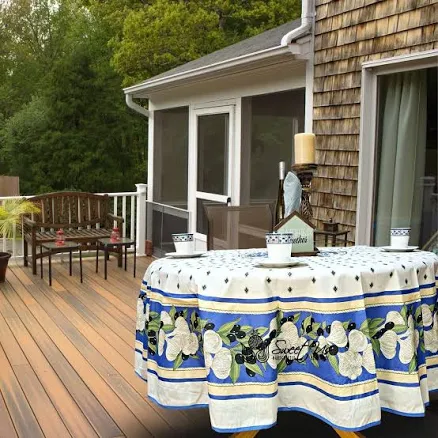
Wipeable Stain Resistant French Acrylic Coated Tablecloth
Avoid unless coating is independently verified PFAS-free.
Acrylic-coated French textile with unspecified stain-resistant coating chemistry. Wipeable finishes historically rely on water-repellent coating treatments that may contain PFAS.
Still want this one anyway? Check the price on Amazon. We’d swap it.
Material
Acrylic-coated French textile (coating type unspecified)
Brand disclosure
Brand is silent on PFAS
Lab data
No public lab test
You may also be interested in
Top-graded picks in the categories readers replace first, every one scored on the same rubric.

- polypropylene filter housing, carbon/sediment cartridge
- We found no PFAS statement from the brand
- Bacterial growth in spent cartridges
3 hazards checked on this product, all on its full breakdown.

Aquasure
Premier Series 75 GPD Under Sink Reverse Osmosis Water Filtration System
- RO membrane, carbon filters, stainless steel housing
- We found no PFAS statement from the brand
- Bacterial and microbial growth in housing and filters
4 hazards checked on this product, all on its full breakdown.

Avocado
Vegan Mattress
- organic cotton, natural latex, coconut coir, recycled steel coils
- The brand calls it PFAS-free, which we have not verified
- Heavy metals
2 hazards checked on this product, all on its full breakdown.
What Wipeable Stain Resistant French Tablecloth is made of, ingredients and materials
This tablecloth is a cotton or cotton-blend French textile with an acrylic-based topcoat applied for stain resistance. The acrylic coating itself is not inherently hazardous, but 'stain resistant' finishes on textiles are commonly achieved using PFOA/PFAS chemistries that persist in the environment and human tissue. The coating's specific chemical formulation is not disclosed by the brand, leaving the PFAS content unknown without direct lab testing.
What’s concerning
Category baseline
The starting point for this type of product, before anything specific to this product is counted.
Vague safety claims only
Uses vague language ("eco-friendly", "clean") without a specific PFAS statement.
Waterproof / stain-resistant treatment
Water-repellent coating treatments have historically used PFAS.
PFAS
Acrylic stain coatings on textiles commonly contain PFOA/PFAS unless explicitly certified otherwise. The brand has not disclosed formulation or provided PFAS-free certification, making contamination probable but unconfirmed.
Source, ATSDR ↗Coating degradation and microparticle shedding
Acrylic topcoats degrade with repeated washing and heat exposure, potentially releasing fine particles into laundry water and onto food. No recalls or test data specific to this product are on record.
Formaldehyde / VOCs
Acrylic textile coatings may use formaldehyde-based cross-linkers or binders to cure the finish. Product literature does not mention testing or limits; risk is typical for the category but unquantified for this item.
Source, ATSDR ↗VOC off-gassing from packaging or finish
New coated textiles may release odorous volatile organics (acrylic solvents, curing agents) during unpacking and initial use. Pre-washing and airing outdoors mitigates this; no specific complaints on record for this product.
What’s reassuring
Azo dyes (if colored)
No specific hazard reported for this product or brand. Standard textile dyeing in France/Europe is subject to REACH restrictions on banned azo dyes, reducing but not eliminating risk depending on dye source and batch.
How is this PFAS grade calculated?
The brand's record and disclosure
The brand has not published transparency reports on PFAS use in textile coatings or commitments to phase them out, placing it behind competitors like IKEA and Patagonia on this metric. The brand has faced no major recalls for tablecloth hazards in public records, but the absence of disclosure does not indicate absence of PFAS. Third-party certifications (OEKO-TEX, GOTS) are not mentioned in available product descriptions, further limiting verifiability.
How it compares in its category
Stain-resistant coated tablecloths typically use PFAS as the industry standard; this product is not unusually risky within the category, but it lags behind certified alternatives. Uncoated linen or cotton tablecloths avoid PFAS entirely but sacrifice stain resistance. Tablecloths explicitly certified PFAS-free or using fluorine-free water repellents (silicone or wax-based) are available at similar price points from other retailers.
If you buy it
Wash before first use to remove sizing and loose finish particles. Avoid temperatures above 140F (60C) to prevent coating degradation and potential volatile off-gassing. Replace if the coating visibly flakes, peels, or becomes grainy. Do not use fabric protector sprays (which often add additional PFAS); spot-clean stains with mild soap and water instead.
What is not known about PFAS in this product?
- Basis
- Model estimate, 35% confidence, not a lab result
- Lab test
- None on record for this exact product
- Brand statement
- has made none
Formulations change between production runs, so check the current label. How we grade.
What are the PFAS-free alternatives to Wipeable Stain Resistant French Acrylic Coated Tablecloth?
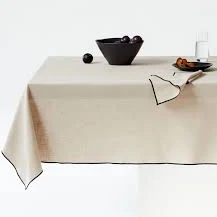
- 100% organic cotton, no coating
- We found no PFAS statement from the brand
- Azo dyes and synthetic colorants
3 hazards checked on this product, all on its full breakdown.
Find an alternative on Amazon
Amazon Essentials Light Blue Multicolor Cotton Tablecloth
- 100% cotton
- Formaldehyde / VOCs
4 hazards checked on this product, all on its full breakdown.
Find an alternative on Amazon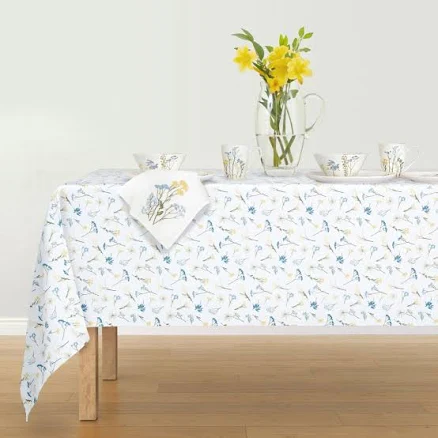
- 100% cotton woven tablecloth
- We found no PFAS statement from the brand
- Azo dyes in printed textiles
4 hazards checked on this product, all on its full breakdown.
Find an alternative on AmazonMore stain-resistant textiles grades
How we score, every product runs through the same public 0-100 rubric based on materials, coatings, brand disclosure, lab findings, and recalls. See the full methodology → Spotted a mistake? Report an error.