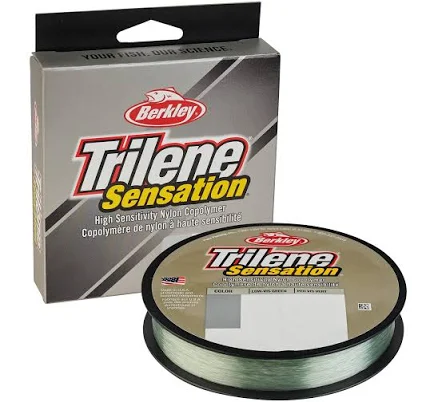
Berkley Trilene Sensation
Nylon fishing line carries low PFAS risk, but transparency is absent.
Berkley Trilene Sensation is standard monofilament nylon fishing line with no known PFAS treatments in normal production. Berkley provides no public PFAS disclosure for this product.
We flunk more products than we pass. This one earned its grade. How we grade
Material
Monofilament nylon fishing line
Brand disclosure
Brand is silent on PFAS
Lab data
No public lab test
What Berkley Trilene Sensation is made of, ingredients and materials
Berkley Trilene Sensation is extruded monofilament nylon (likely nylon 6 or 6.6), a synthetic polymer engineered for strength and knot-holding under water stress. The material is chemically inert in aquatic environments and does not leach additives into water at normal fishing temperatures. Unlike some braided or coated lines, monofilament has minimal surface area and no fabric weave that could trap contaminants or degrade into microfibers during use.
What’s concerning
Category baseline
The starting point for this type of product, before anything specific to this product is counted.
No PFAS disclosure
No public statement from the brand about PFAS in this product.
Thermal decomposition / combustion fumes
Heating or burning nylon monofilament above ~200°C can release ammonia and other nitrogenous compounds. This is a risk only if line is intentionally burned or exposed to open flame; normal fishing use does not trigger this hazard.
Microplastic shedding during use
All monofilament fishing line sheds microfibers as it degrades, frays, or abrades against rocks, guides, and teeth. Cumulative environmental release from billions of lines globally is documented; individual user exposure is negligible, but line breakage contributes to aquatic microplastic burden.
What’s reassuring
Base material not linked to PFAS
The main material recorded for this product is not one associated with PFAS.
UV degradation byproducts
Nylon exposed to prolonged sunlight becomes brittle but does not release known hazardous chemicals into water. Degradation is mechanical, not chemical, under typical freshwater or saltwater conditions.
Heavy metals
Trilene Sensation is available in multiple colors (green, clear, smoke). No public disclosure of dye or pigment composition; industrial nylon colorants are typically azo-free and non-toxic, but Berkley does not verify this for end users.
Source, FDA ↗Leaching into water (aquatic exposure)
Nylon monofilament is hydrophobic and chemically stable in water across freshwater, saltwater, and pH ranges typical of fishing environments. No evidence of additive leaching or water contamination from normal use.
The full breakdown
The brand's record and disclosure
Berkley (owned by Pure Fishing) does not publicly disclose detailed ingredient lists, manufacturing methods, or PFAS testing results for Trilene products, which is standard silence in the fishing-line industry. No major product recalls, chemical contamination complaints, or certifications (organic, eco-label) are on record for this line. The brand has no documented history of transparency around water-contaminant issues, but also no known violations related to the product itself.
How it compares in its category
Monofilament fishing lines are chemically simpler than fluorocarbon or braided alternatives and carry lower inherent chemical hazard. Trilene Sensation sits in the mainstream consumer segment, comparable in composition and safety profile to Spro, Stren, and Seaguar monofilament. No credible evidence suggests Trilene monofilament poses greater chemical risk than competitors; hazard differences in this category are marginal.
If you buy it
Store line in a cool, dry place away from UV light to prevent brittleness and degradation, but normal room conditions pose no safety concern. Do not heat or burn monofilament nylon, which can release harmful fumes. Discard worn or frayed line responsibly (recycling programs are limited; secure disposal in trash is standard). Replace spool every 1-2 years or when line shows visible weakness, kinks, or cloudiness.
What we don’t know
- Basis
- Model estimate, 72% confidence, not a lab result
- Lab test
- None on record for this exact product
- Brand statement
- Berkley has made none
Formulations change between production runs, so check the current label. How we grade.
More fishing line grades
How we score, every product runs through the same public 0-100 rubric based on materials, coatings, brand disclosure, lab findings, and recalls. See the full methodology → Spotted a mistake? Report an error.