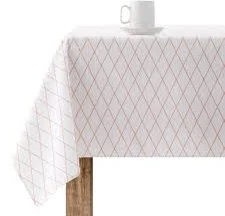
Belum · Stain-Resistant Textiles
Belum Anti-stain Resin Tablecloth
Skip until the brand discloses coating chemistry; anti-stain resin treatments commonly use PFAS.
Blessed Earth's Belum tablecloth uses undisclosed resin coating for stain resistance, a category historically associated with PFAS-based treatments. No brand disclosure or certifications exist.
Still want this one anyway? Check the price on Amazon. We’d swap it.
Material
Resin-coated polyester or cotton tablecloth
Brand disclosure
Brand is silent on PFAS
Lab data
No public lab test
You may also be interested in
Top-graded picks in the categories readers replace first, every one scored on the same rubric.

- polypropylene filter housing, carbon/sediment cartridge
- We found no PFAS statement from the brand
- Bacterial growth in spent cartridges
3 hazards checked on this product, all on its full breakdown.

Aquasure
Premier Series 75 GPD Under Sink Reverse Osmosis Water Filtration System
- RO membrane, carbon filters, stainless steel housing
- We found no PFAS statement from the brand
- Bacterial and microbial growth in housing and filters
4 hazards checked on this product, all on its full breakdown.

Avocado
Vegan Mattress
- organic cotton, natural latex, coconut coir, recycled steel coils
- The brand calls it PFAS-free, which we have not verified
- Heavy metals
2 hazards checked on this product, all on its full breakdown.
What Belum Anti-stain Resin Tablecloth is made of, ingredients and materials
This tablecloth uses a polyester or cotton base with a resin-based anti-stain coating applied to the surface. Anti-stain finishes on textiles are designed to repel water and oils, which historically relied on fluorinated compounds (PFAS) to achieve durable water and oil repellency. The resin coating itself may degrade over repeated washing and heat exposure, potentially releasing particles or coating fragments into food contact zones. Without disclosure of the specific resin chemistry, the actual hazard profile cannot be verified.
What’s concerning
Category baseline
The starting point for this type of product, before anything specific to this product is counted.
No PFAS disclosure
No public statement from the brand about PFAS in this product.
Waterproof / stain-resistant treatment
Water-repellent coating treatments have historically used PFAS.
Resin coating degradation and particulate release
Anti-stain resin coatings degrade over time with washing and heat; degraded fragments could potentially shed onto table surfaces or food. No test data on Belum product degradation rate or composition is publicly available.
Formaldehyde / VOCs
Some industrial resin coatings use formaldehyde-releasing resins to improve durability and water resistance. Blessed Earth has not disclosed whether their resin contains or releases formaldehyde; no testing data on record.
Source, ATSDR ↗Migration of coating chemicals into food or beverages
If resin coating contains unreacted monomers or solvents, contact with hot food, acidic beverages, or oils could promote leaching. Blessed Earth provides no guidance on food-contact safety or testing.
What’s reassuring
Heavy metals
No specific recalls or test failures for Blessed Earth products regarding azo dyes or cadmium/lead in dyes have been documented. Standard concern for any polyester textile without third-party dye certification, but not confirmed for this brand.
Source, FDA ↗VOC off-gassing from resin treatment
New resin-coated textiles may emit low levels of volatile organic compounds during the first uses. No specific VOC emissions data for Belum product published; typical for this product category but not independently verified.
How is this PFAS grade calculated?
The brand's record and disclosure
Blessed Earth has not publicly disclosed the chemical composition of its anti-stain resin treatment or provided third-party test results confirming PFAS-free status. No certifications (such as OEKO-TEX, Bluesign, or similar restricted-substance programs) are documented for this product line. The brand's silence on coating chemistry is standard across many smaller textile manufacturers but represents a significant transparency gap for a product marketed as anti-stain.
How it compares in its category
Most affordable anti-stain tablecloths use either PFAS-based fluorochemical coatings or proprietary resin blends with undisclosed chemistry. Premium alternatives from certified manufacturers (e.g., OEKO-TEX certified polyester or organic cotton with mechanical water resistance) cost 40-80% more but provide chemical transparency. Untreated or naturally water-resistant woven fabrics (linen, heavier cotton blends) avoid coating hazards altogether but sacrifice stain repellency and durability.
If you buy it
Wash separately on cold water cycles for the first 5-10 uses to reduce any loose coating residue; hang dry rather than machine dry to minimize heat-driven degradation of the resin layer. Avoid high heat (no hot water, no direct sunlight for extended periods) to slow coating breakdown. Do not use on surfaces that contact food directly without a separate plate or mat. Replace once the coating visibly peels, flakes, or loses water repellency, as degraded particles may migrate onto surfaces.
What is not known about PFAS in this product?
- Basis
- Model estimate, 35% confidence, not a lab result
- Lab test
- None on record for this exact product
- Brand statement
- Belum has made none
Formulations change between production runs, so check the current label. How we grade.
What are the PFAS-free alternatives to Belum Anti-stain Resin Tablecloth?
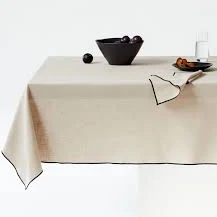
- 100% organic cotton, no coating
- We found no PFAS statement from the brand
- Azo dyes and synthetic colorants
3 hazards checked on this product, all on its full breakdown.
Find an alternative on Amazon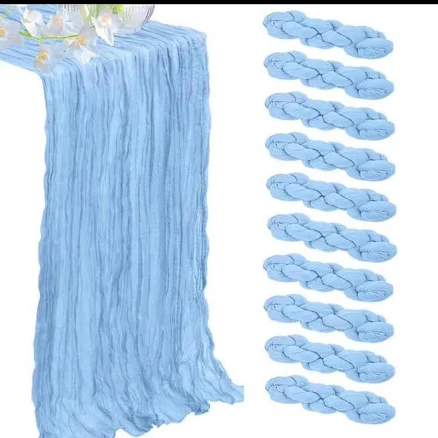
Amazon Essentials Light Blue Multicolor Cotton Tablecloth
- 100% cotton
- Formaldehyde / VOCs
4 hazards checked on this product, all on its full breakdown.
Find an alternative on Amazon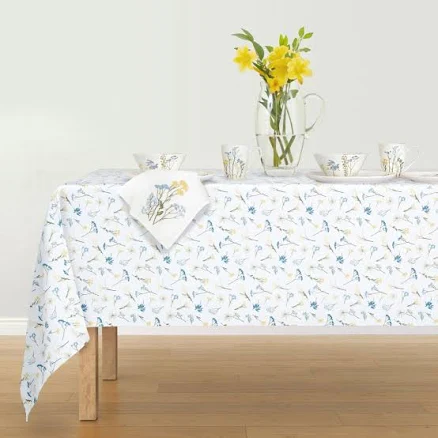
- 100% cotton woven tablecloth
- We found no PFAS statement from the brand
- Azo dyes in printed textiles
4 hazards checked on this product, all on its full breakdown.
Find an alternative on AmazonMore stain-resistant textiles grades
How we score, every product runs through the same public 0-100 rubric based on materials, coatings, brand disclosure, lab findings, and recalls. See the full methodology → Spotted a mistake? Report an error.