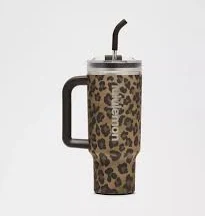
Insulated Tumbler 40oz
Low risk. Stainless steel unlikely to hold PFAS.
Stainless steel tumblers carry low PFAS risk from their base material. Hasn't made PFAS claims, but the composition indicates minimal concern.
We flunk more products than we pass. This one earned its grade. How we grade
Material
Stainless steel with vacuum insulation
Brand disclosure
Brand is silent on PFAS
Lab data
No public lab test
You may also be interested in
Top-graded picks in the categories readers replace first, every one scored on the same rubric.

- polypropylene filter housing, carbon/sediment cartridge
- We found no PFAS statement from the brand
- Bacterial growth in spent cartridges
3 hazards checked on this product, all on its full breakdown.

Aquasure
Premier Series 75 GPD Under Sink Reverse Osmosis Water Filtration System
- RO membrane, carbon filters, stainless steel housing
- We found no PFAS statement from the brand
- Bacterial and microbial growth in housing and filters
4 hazards checked on this product, all on its full breakdown.

Avocado
Vegan Mattress
- organic cotton, natural latex, coconut coir, recycled steel coils
- The brand calls it PFAS-free, which we have not verified
- Heavy metals
2 hazards checked on this product, all on its full breakdown.
What Insulated Tumbler 40oz is made of, ingredients and materials
This tumbler uses food-grade stainless steel (typically 18/8 or 304-grade) as the inner and outer walls, with a vacuum-sealed airspace between them for insulation. Stainless steel is chemically inert and does not leach metals or off-gas compounds under normal use. The lid and gaskets are the only potential concern points, as they often contain silicone or plastic polymers that could theoretically degrade or leach if damaged, though this is uncommon in vacuum-insulated drinkware.
What’s concerning
No PFAS disclosure
No public statement from the brand about PFAS in this product.
Category baseline
The starting point for this type of product, before anything specific to this product is counted.
Lid/gasket material degradation
Silicone or rubber gaskets in the lid can crack, harden, or degrade with extended use or dishwasher exposure. No specific incidents reported for tumblers, but this is a common wear item across the category.
Vacuum seal failure and condensation
If the vacuum seal is compromised by damage or poor manufacturing, condensation can form in the wall cavity, though this poses no direct toxicological risk. The brand does not disclose manufacturing QC standards.
What’s reassuring
Base material not linked to PFAS
The main material recorded for this product is not one associated with PFAS.
Lead
Food-grade stainless steel (304/18-8) is not a source of lead or cadmium leaching. No testing or recalls suggest contamination in this product or brand.
Source, ATSDR ↗BPA & bisphenols
The core is stainless steel; plastic is limited to the lid and gasket. Modern silicone gaskets do not contain BPA, and the brand has not been flagged for BPA use in drinkware.
Source, FDA ↗Coating or enamel degradation
This product relies on bare stainless steel, not enamel, ceramic, or polymeric coatings, eliminating this hazard class entirely.
How is this PFAS grade calculated?
The brand's record and disclosure
The brand is primarily known as a luggage and travel goods manufacturer; their expansion into drinkware is relatively recent and limited. No major safety recalls, certifications, or public disclosures specific to this tumbler line are documented. The brand has not published material sourcing or chemical safety statements for their tumbler products, reflecting a general lack of transparency typical of smaller home goods brands.
How it compares in its category
Insulated stainless steel tumblers show lower concern for leaching from the core material compared to some other drinkware options. This product is materially equivalent to premium competitors like Hydro Flask, YETI, and Contigo in construction. The brand's version is positioned as a budget alternative without independent third-party certifications (NSF, FDA material verification) that some competitors provide, though absence of certification does not indicate a safety problem.
If you buy it
Inspect the silicone lid gasket regularly for cracks or degradation; replace if compromised. Do not microwave the tumbler or expose it to extreme temperature swings, which can damage the vacuum seal. Wash by hand or in the top rack of a dishwasher to preserve the lid integrity. The tumbler itself will not degrade chemically with normal hot or cold beverage use, but the gasket may lose elasticity after 2-3 years of heavy daily use, warranting replacement of the lid assembly.
What is not known about PFAS in this product?
- Basis
- Model estimate, 78% confidence, not a lab result
- Lab test
- None on record for this exact product
- Brand statement
- has made none
Formulations change between production runs, so check the current label. How we grade.
What are the PFAS-free alternatives to Insulated Tumbler 40oz?
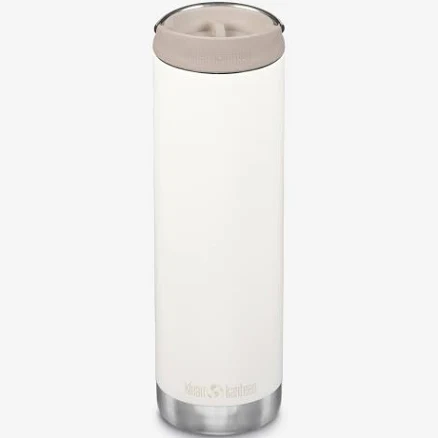
- Stainless steel bottle, stainless steel cap
- The brand calls it PFAS-free, which we have not verified
- Powder-coat cap degradation over time
3 hazards checked on this product, all on its full breakdown.
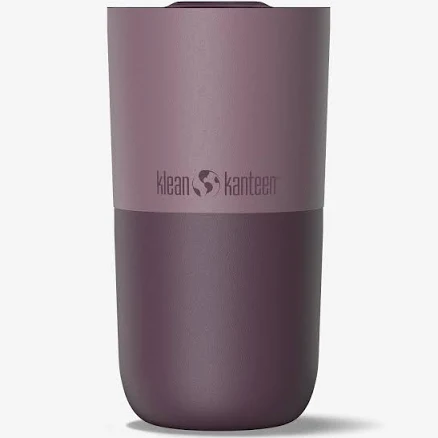
- Stainless steel body, powder-coat finish
- The brand calls it PFAS-free, which we have not verified
- Powder-coat finish degradation
3 hazards checked on this product, all on its full breakdown.
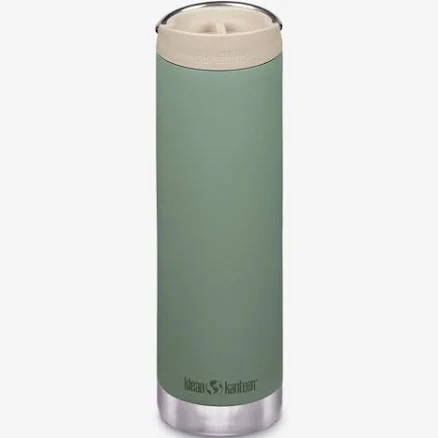
- Stainless steel bottle, plastic cap and silicone gasket
- The brand calls it PFAS-free, which we have not verified
- Silicone gasket degradation and leaching
3 hazards checked on this product, all on its full breakdown.
More insulated drink tumblers grades
How we score, every product runs through the same public 0-100 rubric based on materials, coatings, brand disclosure, lab findings, and recalls. See the full methodology → Spotted a mistake? Report an error.