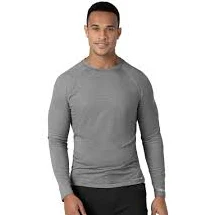
Carhartt · Waterproof Sports Undergarments
Carhartt Force Sub-Scrubs Performance Long Sleeve Tee
Performance apparel with water-repellent coating, PFAS status unclear from brand.
Carhartt Force Sub-Scrubs are treated with water and stain-resistant finish typical of performance workwear, likely containing PFAS-based water-repellent coating agents. The brand doesn't disclose PFAS status or certifications.
Still want this one anyway? Check the price on Amazon. We’d swap it.
Material
polyester/cotton blend with performance water-repellent coating finish
Brand disclosure
Brand is silent on PFAS
Lab data
No public lab test
You may also be interested in
Top-graded picks in the categories readers replace first, every one scored on the same rubric.

- polypropylene filter housing, carbon/sediment cartridge
- We found no PFAS statement from the brand
- Bacterial growth in spent cartridges
3 hazards checked on this product, all on its full breakdown.

Aquasure
Premier Series 75 GPD Under Sink Reverse Osmosis Water Filtration System
- RO membrane, carbon filters, stainless steel housing
- We found no PFAS statement from the brand
- Bacterial and microbial growth in housing and filters
4 hazards checked on this product, all on its full breakdown.

Avocado
Vegan Mattress
- organic cotton, natural latex, coconut coir, recycled steel coils
- The brand calls it PFAS-free, which we have not verified
- Heavy metals
2 hazards checked on this product, all on its full breakdown.
What Carhartt Force Sub-Scrubs Long Sleeve Tee is made of, ingredients and materials
This shirt is a polyester-cotton blend with a water-repellent coating (water-repellent coating) finish applied to the fabric surface. The water-repellent coating is the primary chemical concern, most commercial water-repellent coating finishes historically relied on PFAS (PFAS "forever chemicals") to achieve water and stain resistance, though some manufacturers have shifted to fluorine-free alternatives. The polyester itself is a synthetic polymer that can shed microfibers when washed, particularly if abraded or degraded. The cotton component adds breathability and reduces reliance on pure synthetics, but does not eliminate the performance coating chemistry.
What’s concerning
Category baseline
The starting point for this type of product, before anything specific to this product is counted.
No PFAS disclosure
No public statement from the brand about PFAS in this product.
Waterproof / stain-resistant treatment
Water-repellent coating treatments have historically used PFAS.
Antimony in polyester
Polyester fabric may contain antimony trioxide as a catalyst residue from polymerization. Levels in finished garments are typically very low and not considered a dermal hazard under normal wear. Risk is negligible unless the fabric is ingested (not applicable for adults wearing apparel).
Microfiber shedding from synthetic content
Polyester-heavy blends shed microfibers during washing; this is a documented environmental and secondary exposure concern. The 50-65% polyester content in this shirt contributes to microfiber release. Use a laundry bag designed to trap microfibers or reduce washing frequency to minimize shedding.
water-repellent coating degradation and durability uncertainty
Without Carhartt's explicit statement on water-repellent coating chemistry (PFAS-based vs. fluorine-free), the durability and degradation pathway are unclear. If PFAS-based, the coating will gradually wear off with washing; if fluorine-free, durability may be shorter. Either way, expect performance loss over time and monitor for peeling or flaking of the finish.
What’s reassuring
Formaldehyde / VOCs
No formaldehyde-based wrinkle-resist or sizing finishes are on record for Carhartt Force apparel. Standard polyester-cotton blends for workwear typically use minimal formaldehyde treatment, but off-gassing is possible in new garments; airing out the shirt before first wear mitigates this.
Source, ATSDR ↗Azo dyes and synthetic colorants
Carhartt apparel is not known to use prohibited azo dyes; no safety alerts exist for this brand. Polyester blends can be dyed with a wide range of azo and non-azo colorants. Without specific material disclosure, assume standard commercial textile dyes are used, which are regulated in most markets.
How is this PFAS grade calculated?
The brand's record and disclosure
Carhartt is a workwear manufacturer with a long history but limited public disclosure on chemical inputs or PFAS policy. The brand has not published a formal PFAS-free certification or transparency report for this product line. No major chemical recalls or hazard alerts are on record for Carhartt apparel in recent years. The silence on water-repellent coating chemistry is notable in an industry where competitors (e.g., Patagonia, some North Face lines) have begun disclosing fluorine-free alternatives, suggesting Carhartt may not have made a definitive transition.
How it compares in its category
Performance work shirts with water-repellent coating finishes are common in the subcategory; this product sits in the mid-tier for transparency. Many legacy workwear brands use similar polyester-cotton blends with water-repellent coating coatings. Competitors offering certified PFAS-free or fluorine-free water resistance (e.g., outdoor brands with Bluesign or similar certifications) exist but are often pricier. Carhartt's positioning as a cost-accessible workwear brand likely reflects reliance on conventional, cheaper water-repellent coating chemistry rather than premium alternatives.
If you buy it
Wash in cool or warm water (not hot) and avoid fabric softeners or bleach, which can degrade the water-repellent coating and potentially release or concentrate chemicals. Air dry or use low heat to preserve the finish; high-heat dryers accelerate coating breakdown. Expect the water-repellent coating finish to weaken after 20-30 washes; when water no longer beads on the fabric, the protective layer is spent. Do not dry-clean unless the garment label explicitly permits it, as dry-cleaning solvents can interact with residual fluorinated compounds if present.
What is not known about PFAS in this product?
- Basis
- Model estimate, 45% confidence, not a lab result
- Lab test
- None on record for this exact product
- Brand statement
- Carhartt has made none
Formulations change between production runs, so check the current label. How we grade.
What are the PFAS-free alternatives to Carhartt Force Sub-Scrubs Performance Long Sleeve Tee?
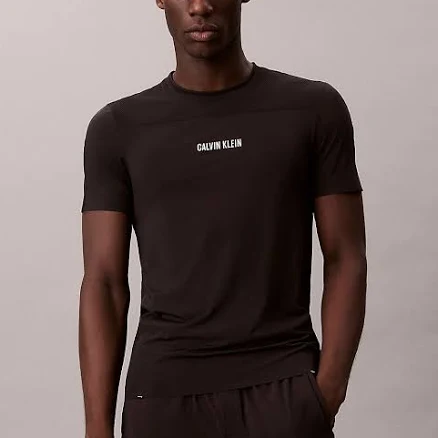
- Cotton-blend knit jersey, uncoated
- We found no PFAS statement from the brand
- Azo dyes and synthetic colorants
3 hazards checked on this product, all on its full breakdown.
Find an alternative on Amazon
- cotton jersey, no applied finish
- We found no PFAS statement from the brand
- Azo dyes and colorant residues
2 hazards checked on this product, all on its full breakdown.
Find an alternative on Amazon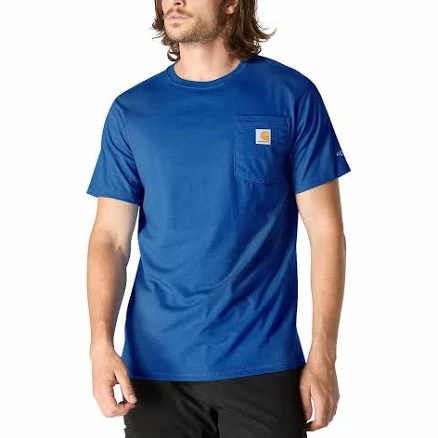
- 100% cotton jersey knit, untreated
- We found no PFAS statement from the brand
- Azo dyes
2 hazards checked on this product, all on its full breakdown.
Find an alternative on AmazonMore waterproof sports undergarments grades
How we score, every product runs through the same public 0-100 rubric based on materials, coatings, brand disclosure, lab findings, and recalls. See the full methodology → Spotted a mistake? Report an error.