Carhartt · Waterproof Sports Undergarments
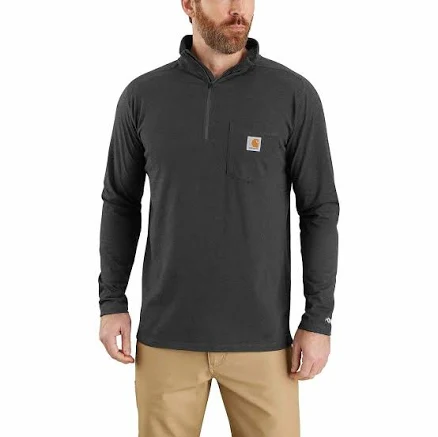
Carhartt Men's Force 1/4-Zip Long Sleeve T-Shirt
Likely lower concern, but water-repellent coating finish composition stays unconfirmed.
Cotton-based workwear with moisture-wicking treatment. Carhartt discloses no PFAS details, and water-repellent coating finishes may contain PFAS, but the specific treatment is unknown.
Still want this one anyway? Check the price on Amazon. We’d swap it.
Material
Cotton blend with moisture-wicking treatment
Brand disclosure
Brand is silent on PFAS
Lab data
No public lab test
You may also be interested in
Top-graded picks in the categories readers replace first, every one scored on the same rubric.

- polypropylene filter housing, carbon/sediment cartridge
- We found no PFAS statement from the brand
- Bacterial growth in spent cartridges
3 hazards checked on this product, all on its full breakdown.

Aquasure
Premier Series 75 GPD Under Sink Reverse Osmosis Water Filtration System
- RO membrane, carbon filters, stainless steel housing
- We found no PFAS statement from the brand
- Bacterial and microbial growth in housing and filters
4 hazards checked on this product, all on its full breakdown.

Avocado
Vegan Mattress
- organic cotton, natural latex, coconut coir, recycled steel coils
- The brand calls it PFAS-free, which we have not verified
- Heavy metals
2 hazards checked on this product, all on its full breakdown.
What Carhartt Men's Force Sleeve T-Shirt is made of, ingredients and materials
Carhartt Force uses a cotton-synthetic blend (typically polyester or nylon) with a moisture-wicking treatment applied to the surface. The blend provides durability and sweat management; the treatment is likely a hydrophobic finish, possibly containing PFAS-based water-repellent coating (water-repellent coating) compounds, though Carhartt does not disclose composition. Cotton itself is low-risk; the synthetic portion and finish are the exposure vectors.
What’s concerning
Category baseline
The starting point for this type of product, before anything specific to this product is counted.
No PFAS disclosure
No public statement from the brand about PFAS in this product.
Waterproof / stain-resistant treatment
Water-repellent coating treatments have historically used PFAS.
Antimony in polyester
If the synthetic component uses polyester (common in blends), antimony oxide may be present as a catalyst; levels in finished textiles are generally below occupational exposure thresholds. Skin contact from wearing the garment poses negligible risk; concern is mainly during manufacturing and disposal.
VOC and odor off-gassing from synthetic finish
Moisture-wicking and water-repellent coating treatments may release volatile organic compounds (likely hydrofluorocarbons or siloxanes) initially, especially when new. Off-gassing is typically mild and subsides within 1-2 washes; no documented health complaints specific to Carhartt Force exist.
What’s reassuring
Formaldehyde / VOCs
No formaldehyde-based wrinkle or shrink-resist resins are standard in Carhartt workwear; moisture-wicking finishes typically do not employ formaldehyde chemistry. No recalls or third-party testing contradict this.
Source, ATSDR ↗Heavy metals
Carhartt sources from established North American and offshore manufacturers with standard dye-vetting practices. No color-bleeding or toxic-dye recalls exist on record for this product line. Heavy metals in pigments are not a documented risk for this brand.
Source, FDA ↗Flame retardants
Carhartt Force is not marketed as flame-resistant and does not appear to employ brominated or other chemical flame retardants. Workwear for non-hazmat roles typically avoids these additives.
Source, EPA ↗How is this PFAS grade calculated?
The brand's record and disclosure
Carhartt maintains a strong reputation in workwear but does not publicly commit to avoiding PFAS in finishes or publish chemical inventories. The brand has no documented recalls or public health controversies linked to hazardous dyes, formaldehyde, or heavy metals in their apparel lines. Transparency on moisture-wicking chemistry remains absent from their public materials.
How it compares in its category
Carhartt Force sits in the mainstream workwear segment; moisture-wicking treatments are standard across this tier and almost universally involve fluorinated compounds or silicone-based alternatives. Competitors (Red Kap, Dickies) use similar finishing chemistry without disclosure. Higher-end outdoor brands (Patagonia, Arc'teryx) explicitly disclose and transition away from PFAS, making them alternatives if fluorinated finishes are a concern.
If you buy it
Wash in cool water to avoid damaging the moisture-wicking finish; avoid high heat and bleach. The water-repellent coating will degrade over 50-100 washes; reapplication products exist but may reintroduce PFAS. For sensitive skin or heavy sweat exposure in hot conditions, this finish may not off-gas significantly, but wear-testing data is not public. Replace when elasticity or moisture-wicking performance drops noticeably.
What is not known about PFAS in this product?
- Basis
- Model estimate, 45% confidence, not a lab result
- Lab test
- None on record for this exact product
- Brand statement
- Carhartt has made none
Formulations change between production runs, so check the current label. How we grade.
What are the PFAS-free alternatives to Carhartt Men's Force 1/4-Zip Long Sleeve T-Shirt?
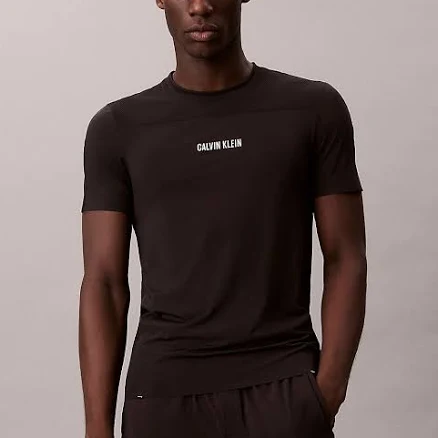
- Cotton-blend knit jersey, uncoated
- We found no PFAS statement from the brand
- Azo dyes and synthetic colorants
3 hazards checked on this product, all on its full breakdown.
Find an alternative on Amazon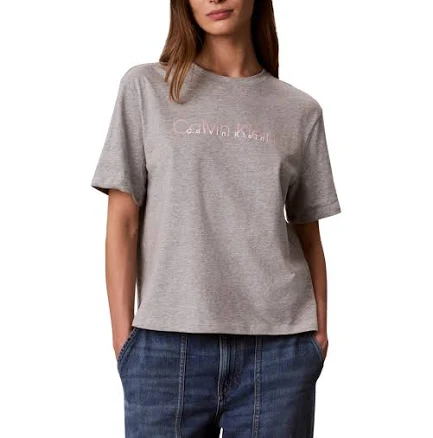
- cotton jersey, no applied finish
- We found no PFAS statement from the brand
- Azo dyes and colorant residues
2 hazards checked on this product, all on its full breakdown.
Find an alternative on Amazon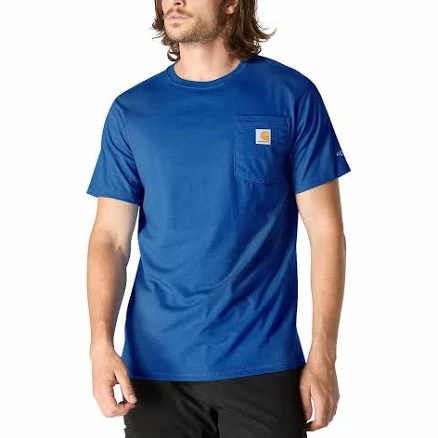
- 100% cotton jersey knit, untreated
- We found no PFAS statement from the brand
- Azo dyes
2 hazards checked on this product, all on its full breakdown.
Find an alternative on AmazonMore waterproof sports undergarments grades
How we score, every product runs through the same public 0-100 rubric based on materials, coatings, brand disclosure, lab findings, and recalls. See the full methodology → Spotted a mistake? Report an error.