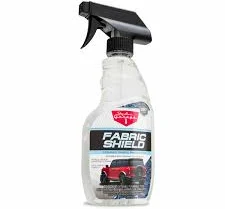
Jay Leno's Garage · Outdoor Furniture Cushion Protectants
Jay Leno's Garage Fabric Shield Ceramic Fabric Protectant
Brand won't reveal if this ceramic protectant contains PFAS.
You won't find PFAS details from the maker of this ceramic fabric shield. Water and stain resistance coatings typically rely on PFAS, so the brand's silence creates real concern.
The better-graded swap
Blazing Needles
74 in by 19 in Outdoor Solid Polyester Tufted Chaise Lounge Cushion
85/100 safety
Same rubric that flunked this product. The swap earned Excellent.
Still want this one anyway? Check the price on Amazon. We’d swap it.
Material
ceramic-based fabric protectant coating
Brand disclosure
Brand is silent on PFAS
Lab data
No public lab test
You may also be interested in
Top-graded picks in the categories readers replace first, every one scored on the same rubric.

- polypropylene filter housing, carbon/sediment cartridge
- We found no PFAS statement from the brand
- Bacterial growth in spent cartridges
3 hazards checked on this product, all on its full breakdown.

Aquasure
Premier Series 75 GPD Under Sink Reverse Osmosis Water Filtration System
- RO membrane, carbon filters, stainless steel housing
- We found no PFAS statement from the brand
- Bacterial and microbial growth in housing and filters
4 hazards checked on this product, all on its full breakdown.

Avocado
Vegan Mattress
- organic cotton, natural latex, coconut coir, recycled steel coils
- The brand calls it PFAS-free, which we have not verified
- Heavy metals
2 hazards checked on this product, all on its full breakdown.
What Jay Leno's Garage Fabric Shield Protectant is made of, ingredients and materials
Ceramic-based fabric protectants typically contain silica compounds, polymeric binders, and surfactants that form a water and stain-repellent barrier on fabric fibers. The 'ceramic' designation usually refers to silica or similar inorganic particles suspended in a carrier liquid, not true ceramic. When applied, the coating dries to create a hydrophobic layer; the concern is what solvents and additives enable that process and whether they off-gas after application.
What’s concerning
Category baseline
The starting point for this type of product, before anything specific to this product is counted.
Vague safety claims only
Uses vague language ("eco-friendly", "clean") without a specific PFAS statement.
Waterproof / stain-resistant treatment
Water-repellent coating treatments have historically used PFAS.
Volatile Organic Compounds (VOCs) from carrier solvents
Spray-applied fabric protectants typically use organic solvents (isopropanol, hydrocarbons, or acetone) to deliver the active coating; these off-gas during application and drying. Ceramic Guard's ingredient list is not publicly disclosed, so the specific solvent profile and VOC concentration cannot be verified, but the spray format strongly suggests volatile content.
Respiratory irritation or sensitization from application
Users applying this product indoors without proper ventilation may experience short-term inhalation exposure. Surfactants and polymeric binders can irritate airways in susceptible individuals; no serious incidents are documented, but sensitization potential exists with repeated exposure.
Coating degradation and shedding of micro-particles
Ceramic silica coatings can degrade over time with wear, washing, and friction, potentially releasing fine ceramic or silica particles into the air or onto skin. This is a normal wear phenomenon but becomes a concern if the fabric is used frequently on upholstered furniture where family members sit regularly. Long-term health implications of inhaled silica particles are well-established in occupat
Skin contact irritation during application
Spray application carries risk of direct contact with eyes, hands, or exposed skin. Without a published safety data sheet, first aid guidance and sensitizing ingredient information are unavailable. Standard precautions suggest wearing gloves and avoiding inhalation, but Ceramic Guard does not appear to provide detailed instructions.
What’s reassuring
Flame retardants
Ceramic fabric protectants do not typically contain added flame retardants as a primary function, though some formulations may include them as secondary additives. No evidence suggests Ceramic Guard contains them, but the silent ingredient disclosure prevents confirmation.
Source, EPA ↗How is this PFAS grade calculated?
The brand's record and disclosure
Ceramic Guard (Jay Leno's Garage line) has not published ingredient lists or safety data sheets readily available to consumers, which is a red flag for a product making protective claims. The brand's silence on PFAS content is particularly notable given that stain and water resistance in fabric treatments historically correlate with fluorinated compounds. No major recalls or safety controversies are documented for this specific product, but the lack of transparency means users cannot verify the safety profile independently.
How it compares in its category
Fabric protectants range from PFAS-free plant-based options (e.g., some beeswax or wool-derived coatings) to conventional spray formulations with higher chemical loads. Ceramic Guard sits in the mid-market spray category where PFAS-containing alternatives are common but not universal. Competing brands like Scotchgard and Guardsman offer some disclosed ingredient information, making direct comparison difficult here.
If you buy it
Apply only in well-ventilated spaces or outdoors to minimize inhalation of carrier solvents during application. Allow furniture to dry and air out for at least 24 hours before use or contact with skin. Reapplication frequency will vary by fabric type and use; follow the product label. If you experience headaches, respiratory irritation, or unusual odors during or after application, discontinue use and improve ventilation further.
What is not known about PFAS in this product?
- Basis
- Model estimate, 35% confidence, not a lab result
- Lab test
- None on record for this exact product
- Brand statement
- Jay Leno's Garage has made none
Formulations change between production runs, so check the current label. How we grade.
What are the PFAS-free alternatives to Jay Leno's Garage Fabric Shield Ceramic Fabric Protectant?
Blazing Needles
74 in by 19 in Outdoor Solid Polyester Tufted Chaise Lounge Cushion
- Polyester fill with polyester cover
- We found no PFAS statement from the brand
- Azo dyes in polyester textiles
2 hazards checked on this product, all on its full breakdown.
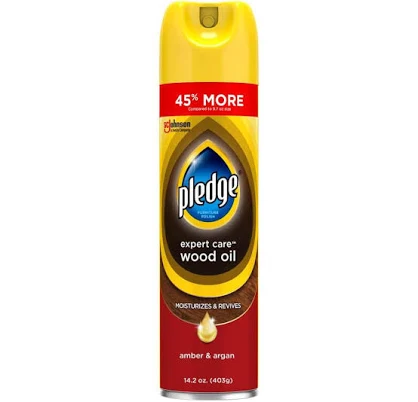
- mineral oil, argan oil blend
- We found no PFAS statement from the brand
- Fragrance allergens and undisclosed components
4 hazards checked on this product, all on its full breakdown.

- 100% cotton canvas
- Azo dyes and dye contamination
3 hazards checked on this product, all on its full breakdown.
More outdoor furniture cushion protectants grades
How we score, every product runs through the same public 0-100 rubric based on materials, coatings, brand disclosure, lab findings, and recalls. See the full methodology → Spotted a mistake? Report an error.